

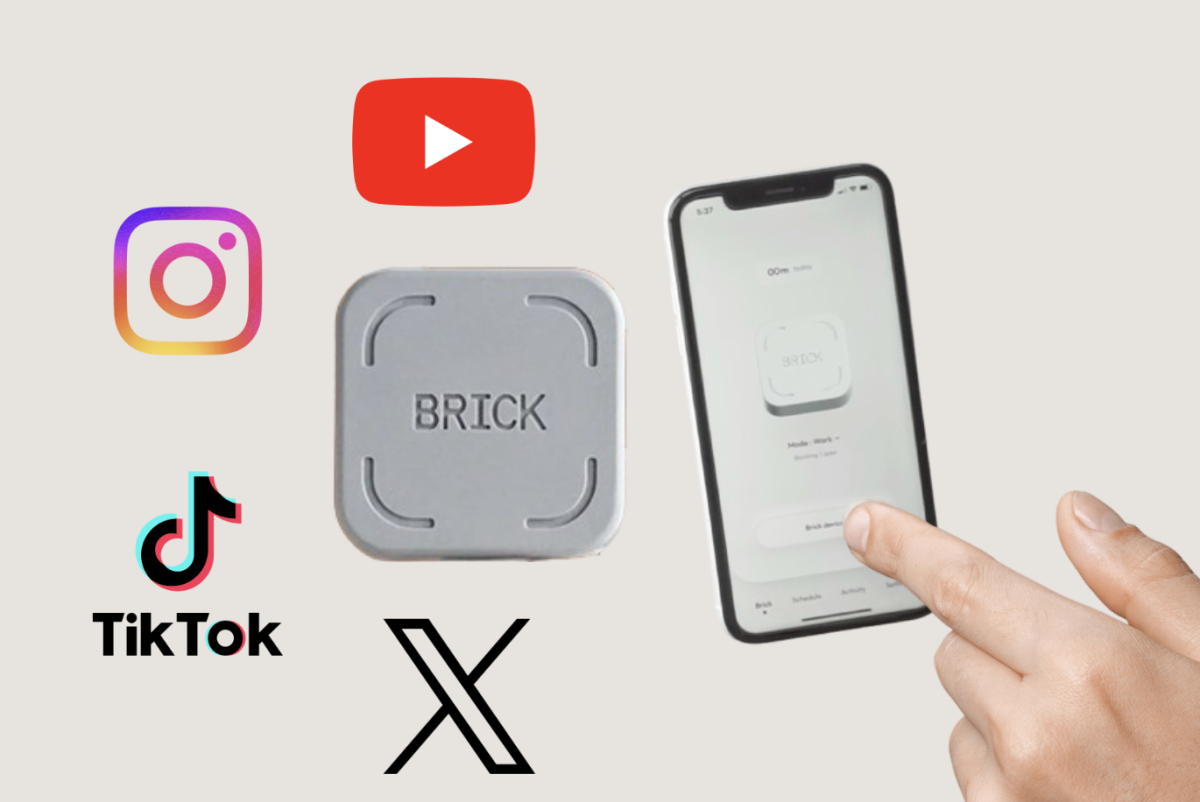
It is already late in the day. The to-do list remains untouched and hours are slipping away to endless scrolling. It is a familiar cycle: one more Instagram reel, one more notification, continuous promises to stop. For many, especially in this generation, struggling to turn off devices has become one of the most difficult daily challenges, requiring significant voluntary effort.
Almost everyone is looking for tricks to manage their screen time. Some install applications to set time limits, while others attempt to hide their phones or laptops in drawers or across the room. However, the ease of overriding time limits or retrieving a device briefly hidden makes these methods impractical. A survey taken in 2023 shows 53% of Americans struggle to restrict screen time. Physical blocking devices take a different approach, and are a more effective strategy for reducing screen time.
Physical tools work by literally locking and limiting access to any applications or notifications that the user selects; the entire device can also be locked. The locking system is activated by pairing the phone and physical blocker together, by tapping the blocker against the phone, it automatically locks out the selected applications. They become inaccessible until the phone is unlocked. The only way to regain access to the blocked applications is by physically touching the phone again to the blocker. One of the most popular brands of a physical blocker is The Brick.
These device blockers are a powerful tool to have because they create tangible boundaries. Locking a phone away becomes a commitment, a purposeful choice to prioritize a clear mind over constant interruptions. The additional step of physically securing the device prompts a moment to reflect on the reason boundaries are set in the first place. In a world shaped by distractions, putting the phone away is a step closer to a more disciplined, mindful and balanced life. Imagine going out with friends, locking the addicting applications and leaving the blocker at home; there will be no distractions, knowing that the applications cannot be unlocked until the phone is tapped against the blocker. Before going to bed, the phone applications can be locked and the blocker left somewhere out of immediate reach; the decision to scroll would require leaving a cozy bed.
Screen time habits built across many years are difficult to change overnight, but if used consistently, these devices can reshape the relationship between people and their phones. The intentionality behind locking the applications physically and placing the blocker somewhere far out of reach, helps support people in their goals to reduce screen time, and to focus on neglected hobbies and tasks. Starting that book, taking that bike ride, trying out new interests — the world outside of screens suddenly becomes possible. These are temporary tools that help build stronger screen time habits and routines until the blocker is no longer needed.
Some are skeptical about these tools and believe they can rely on willpower to overcome this challenge. They argue spending money on a physical application blocker is useless when time limits can be set on a phone — a free and easier method. However, these virtual restrictions are easy to get around and are not suitable when trying to break a long-term habit. Pressing one more minute turns into hours, and no change is made. In fact, studies show that people actually spend more time on their phone when a time limit is installed, often setting a longer time limit than they would have spent on the application anyway or setting a time so short it constantly gets ignored. The physical blocker forces the change. There is no cheating; there is simply no getting around a blocker that is left at home.
This holiday season, physical blocking devices can be a great addition to households. In a society where there are constant notifications and fractured attention spans, these tools encourage undisturbed moments away from screens and mindfulness. The holiday season is a time meant for engaging with family and friends, being present, playing board games, taking walks and more; locking the phone is a great place to start.