

The air conditioning quietly hums as your teacher drones on, but your classmates’ eyes are glued to computers as they secretly click away on their game of choice. Some stick with the classic New York Times trifecta of Wordle, Connections and The Mini, while others play unblocked Slope or Cupcake 2048. Yet, this time, you see students playing a new, disturbing game: “Five Nights at Epstein’s.” This game is a bootleg version of the horror video game Five Nights at Freddy’s, where the pizza restaurant setting is replaced with Epstein Island, and the possessed animatronics are replaced by Jeffrey Epstein and other public figures involved in the sex trafficking ring.
People may laugh when they hear this, because it seems like a comical game concept. However, the question, “Why does this game matter?” is crucial to consider.
The Epstein files, a massive collection of media relating to the Federal Bureau of Investigation (FBI) and the Justice Department’s investigation into the sex trafficking ring run by Epstein and Ghislaine Maxwell, are highly relevant today. The United States Department of Justice released 3.5 million pages of new documents, videos and images following the passing of the Epstein Files Transparency Act in Nov. 2025. These disclosures of rape, kidnapping and victimization triggered major global political fallout, forced resignations and initiated new criminal investigations.
The memeification of this topic reflects a troubling trend of desensitizing these highly complex and harmful issues in a manner that belittles survivors and enables the disgusting crimes committed by Epstein to seem less extreme. This process turns someone’s real experience into a joke.
Desensitization is the gradual reduction in emotional, cognitive or physiological responses to distressing stimuli, like violence, suffering or injustice, from repeated exposure. Due to desensitization, descriptions of what happened on Epstein Island become normalized, leading to apathy and a lowered tendency to intervene and help victims.
In the 1970s and 1980s, the media experienced a hardening, becoming more polarized towards specific narratives or depictions, normalizing them. The rise of violent television shows and early sensationalized reporting led to a “media diet” where brutal imagery became regular, leading to an increased societal tolerance for high-level violence. Repeated exposure to violent scenes desensitized them to viewers, especially children.
Another example of desensitizing cruelty is the evolution of pornography. Watching aggressive pornography normalizes sexual aggression and promotes misogynistic attitudes. Repeated exposure can lower emotional and physiological reactions to violence, resulting in decreased empathy for victims and less apprehension towards perpetrators. When exposure becomes repetitive, they lose extremity. They seem normal. As a result, victims often face reduced social support because their trauma is no longer taken as seriously, creating a culture of victim-blaming and a lower likelihood of intervention.
In recent years, events like the release of the Epstein files have sparked intense public interest and discussion across social media platforms, especially through memes. The evolving set of social and digital phenomena surrounding the creation, sharing and adaptation of memes is considered meme culture. Meme culture evolved from niche, straightforward internet jokes into a high-speed digital language that functions as a primary model of social commentary, emotional coping and cultural identity formation.
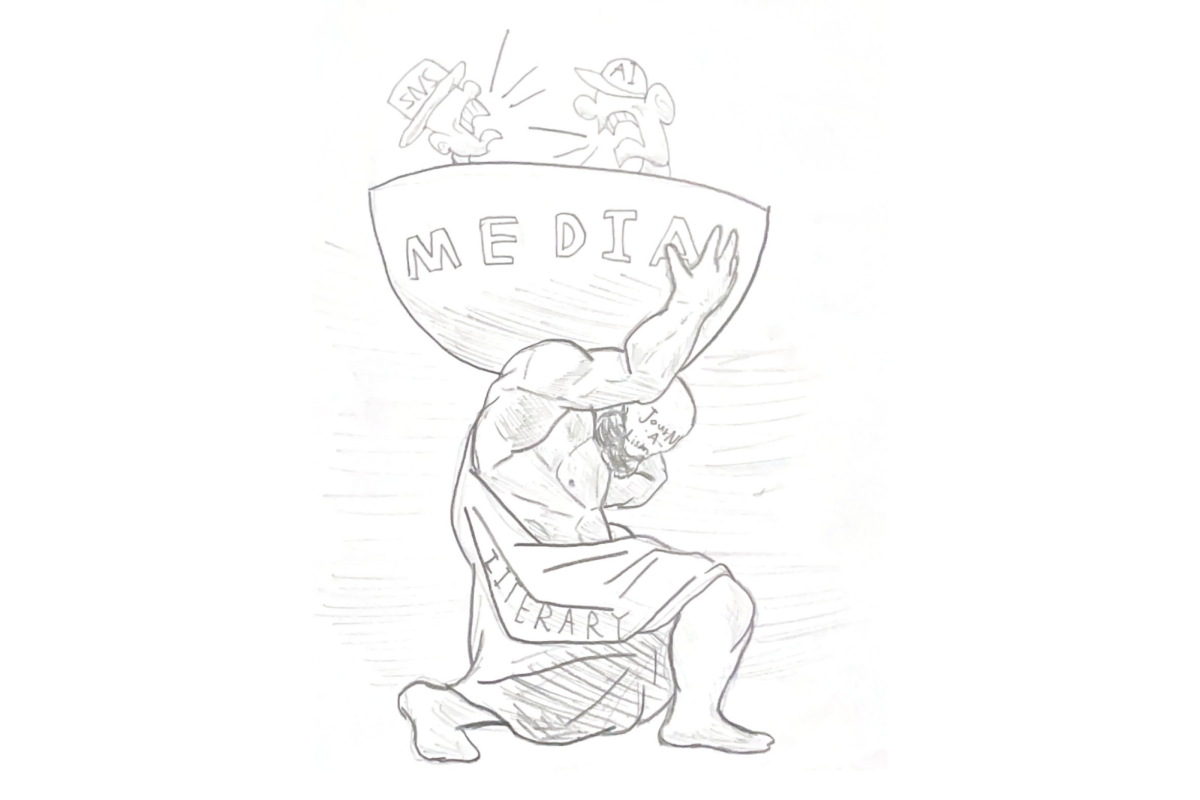
In the digital era, especially with the rising use of Artificial Intelligence (AI), memes are no longer just entertainment. They are a ready-made language that flattens complex social or political issues into easily digestible formats. Five Nights at Epstein’s and other AI-generated images of Epstein dancing to trending audio meme-ifies horrific details of child sex trafficking, abuse and its enablers into viral content. This not only disparages the trauma of more than 1000 victims, but also numbs the public. Lawyers representing victims stated that the constant memeification undermines the women who suffered, advocating to let them rest rather than turn their abuse into entertainment.
User focus shifted from the exploitation of young girls towards the meme aspect of this case: many use AI to pose themselves next to Epstein. This completely ignores the real atrocities. These memes often adopt a “himpathetic” lens, where sympathy tilts toward the powerful male perpetrators rather than the victims. Some content crosses into “incel-coded” language that glamorizes and justifies perpetrators. As the files are continuously fed into AI-generated dancing videos, the shocking crimes are diluted by constant repetition.
By centering the information in memes and jokes, the more important narrative, how institutions failed to hold Epstein and his associates accountable, is lost. Mixing genuine documents with speculation and humor blurs the lines between fact and fiction, heightening the humor while ignoring the horror.
On the other hand, memes are a universal language that can simplify complex issues to engage a wider audience. Keeping the Epstein files topic in the flow of media may signal that the public still demands answers. Humor was used to mock the heavy redactions in the released documents, bringing attention to the lack of transparency and systemic cover-ups. But keeping the topic in the public eye should not invalidate victims in the process. Using a sex trafficker and abuser as a punchline minimizes how harshly his crimes are viewed while re-traumatizing victims, who may be watching the worst moments of their lives become entertainment. These memes often lack context and can easily spread conspiracy theories and unverified claims, such as falsified quotes and client lists.
These unfortunately relevant subjects enforce the need for media literacy when interacting with these sensitive topics online. Engagement should be cognitive, with the intentions of informing oneself and others, not finding humor within accounts of rape and abuse. Everyone is responsible for understanding that rhetoric and meme culture shape societal and personal views. Therefore, media interaction should be intentional, involve understanding and empathy to create a more informed public without normalizing the injustice.
These files are real people’s lived stories; real people’s lived nightmares. Although a lot of the information is uncertain and warped, it does not make joking okay. This dichotomy of reality and perception through humor highlights the necessity for a thoughtful approach when discussing sensitive topics. While humor can serve as a coping mechanism, it is crucial to recognize when it crosses into insensitivity.
Reflecting on the importance of balancing humor with sensitivity, it becomes evident that our words and actions have the power to either uplift or undermine those who have faced adversity. Understanding the gravity of these narratives promotes a deeper, more compassionate engagement with the issues at hand. It is necessary to remember that behind every story is a human being whose experiences deserve respect and empathy. This means thoughtfully engaging with topics like the Epstein files by approaching discussions with care and choosing empathy in a world where apathy is rampant. Doing so fosters an environment that promotes constructive dialogue without praising offenders and undermining victims.