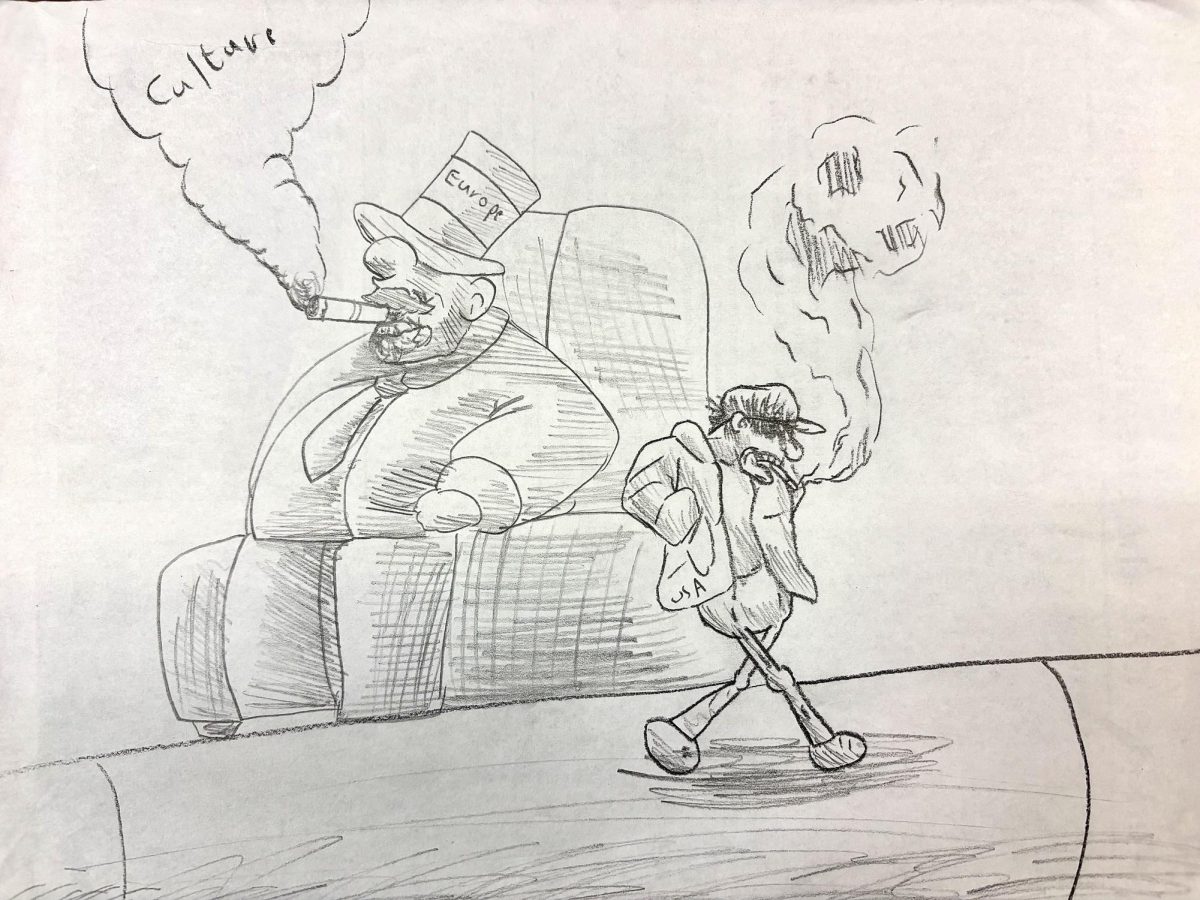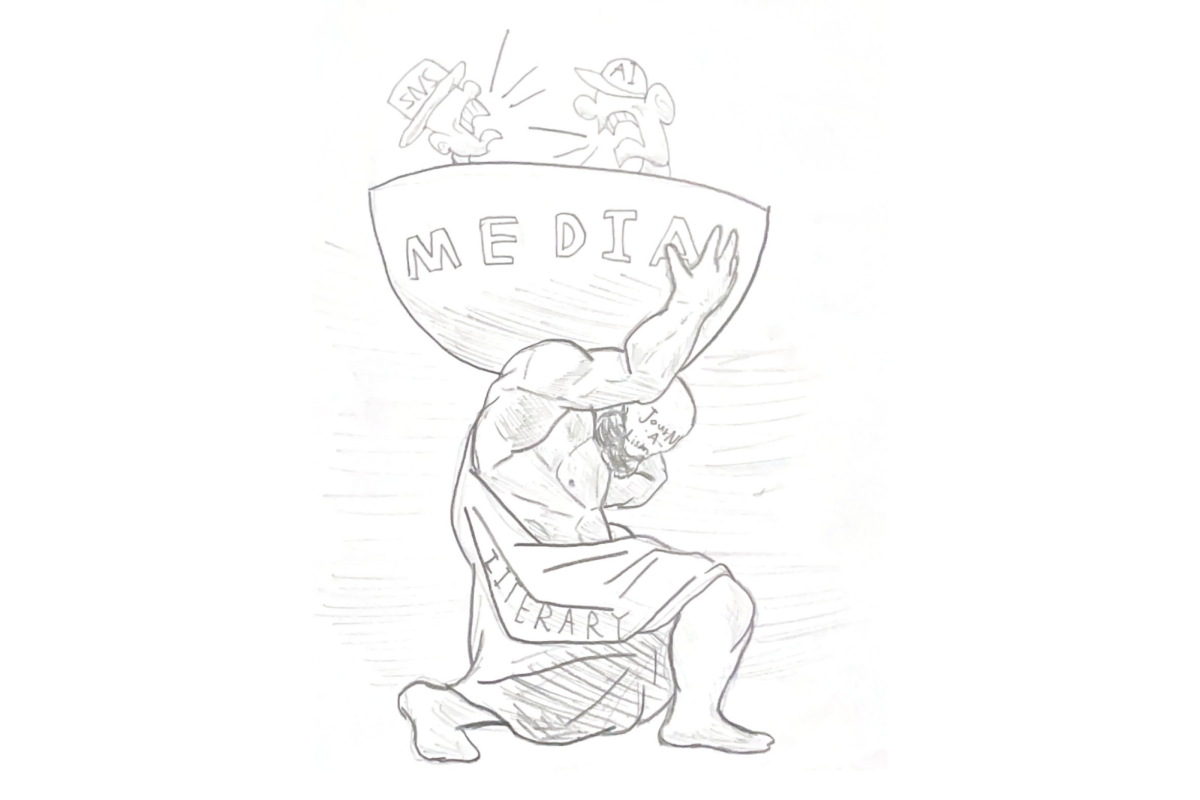


From fraudulent financial advice to Artificial Intelligence (AI) generated content, social media is polluted with nearly endless misinformation. In late 2025, the People’s Republic of China banned influencers from speaking on certain topics — finance, health, law and education — on platforms such as Bilibili, Weibo and Douyin without having a university degree or proper certification, such as license or training. Furthermore, users must identify content that is AI generated. Failure to comply can lead to fines up to $14,000. Although this may appear as a freedom of speech infringement, these implementations are inherently beneficial for users, working to limit false information, curb online harassment and prevent the spread of riots.
Since the rapid rise of technological development during the COVID-19 pandemic, social media influencing is considered a career rather than a hobby, with top influencers making over $10,000 per post. Often, small creators attempt to establish themselves as a popular creator in hopes of achieving great success, fame and wealth. Unfortunately, they see “going viral” as their only option; all attention is good attention in their eyes, allowing misleading content to thrive. Pressures to create the next trend or present the most absurd facts reinforce the notion that shock-based, exaggerated content wins the algorithm over educational media. Purposely spreading false rhetoric or pseudoscience in targeted topics creates a misinformed population that blindly follows a facade of information over reality.
Moreover, as some influencers eventually gain millions of followers, their reach is broad; by allowing a misinformed individual to speak out on topics they are not familiar with, society’s gullible tendencies risk its people being misguided and deceived. This is especially detrimental when giving advice on important topics: fake financial advice risks individuals accidentally falling for scams or making bad investments while misleading medical guidance like high substance dosage or anti-medicine conspiracies can threaten one’s health and wellbeing.
Many people on the internet pose themselves in a professional setting and dress a certain way, deceiving their audience into thinking they are qualified to give advice when they do not have the proper credentials. This causes the users to be more gullible and inclined to trust or follow the fraudulent advice that they see. Implementing the law that requires a degree is a simple and most secure method of ensuring quality and truthful online information.
Thus, measures taken against the misinformation presented on social media are necessary, making China’s actions justified. In China, tackling this problem meant only allowing educated people to give factually correct information.
Many oppose this law, claiming it restricts freedom of speech. They believe that the internet and social media platforms are places for people to express their opinions and ideas. This law, then, potentially limits people’s critical or creative thinking abilities. Moreover, there are influencers who have insightful ideas but may not have a formal credential. However, the First Amendment is not an invitation to spew inaccuracies as one pleases. Even in the United States, the First Amendment is limited to an extent for the sake of public safety.
Both public safety and pragmatic democracy is built on the social contract. True, people are born with certain natural rights, but in order to fulfill the social contract for peace between the government and the governed, citizens must give up some rights in exchange for order. Thus, there is a limit of free speech to prevent chaos.
Another example stems from the harsh diet culture in East Asia where the over-exaggeration of an ideal body image is heavily encouraged. While scrolling through Chinese platforms such as RedNote, it is not uncommon to see videos promoting severe weight loss tips, such as losing one kilogram per day through starvation or people giving harmful health related advice. The algorithm pushes these posts towards audiences because many users look for “shortcuts” to success. They want quick methods for progress, which, most of the time, are not sustainable. Those videos gain more views because platforms reward engaging content, thereby demonstrating how quickly misinformation can spread online. Simultaneously, it buries medical professionals or dietitians’ advice because they seem less enticing to viewers.
Because users like or keep watching the same type of information that pleases them, social media algorithms keep pushing the same types of videos toward them, which is risky because people are predisposed to believe ideas that align with their beliefs. The more they see on one topic, the more inclined they are to evaluate or rethink decisions that may be more beneficial to their physical or psychological health. Moreover, many of these mental problems can go undetected — such as in the example of healthcare, some cases of eating disorders are difficult to spot — leading to further degradation of one’s mental wellbeing.
This does not mean that people are restricted from speaking about this topic completely. Regular influencers can still share their favorite foods or vlog their daily life or their daily diet without encouraging or promoting false methodologies. Similarly, only a select few topics are restricted, so there are plenty of other fields where influencers can share their opinions. These banned topics can potentially spread harmful advice that can be life threatening or can lead to consequences such as immense financial loss.
Another concern is that this law creates a breach of people’s private information, as they are required to upload private documents. However Chinese platforms already have security procedures, like uploading an identification certificate, in order to prevent identity fraud or other prohibited behaviors. Therefore, creating this additional step does not change much. For countries outside of China, platforms such as Roblox are already implementing similar features to promote the safety of their younger users. Likewise, these types of certifications can be properly applied to other social media platforms.
Social media platforms have the ability to shape people’s beliefs and viewpoints. The spread of false or harmful information is detrimental to the education and health of society. There needs to be change; society can not allow the misleading nature of content creation to run rampant. Until better solutions to fact checking arise, more platforms should implement these laws in order to uphold people’s physical and mental wellbeing.