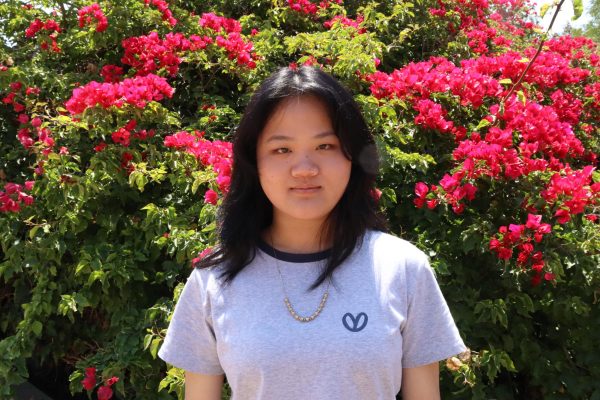


Zoom. Focus. Shoot. Albert Cho (11) and Jacob Taylor (11) stand with cameras pointed skyward, chasing smoke trails from the Blue Angels jets. Ivan Lee (12) tilts his lens towards the light pouring through the stained glass windows of the Basílica de la Sagrada Família. David Vo (10) brings a lifeguard tower into focus on the beach, the glow of the sun in the distance haloed like a ringed planet or black hole’s accretion disk. For many students, photography is a medium for capturing the intricacies of life.
-
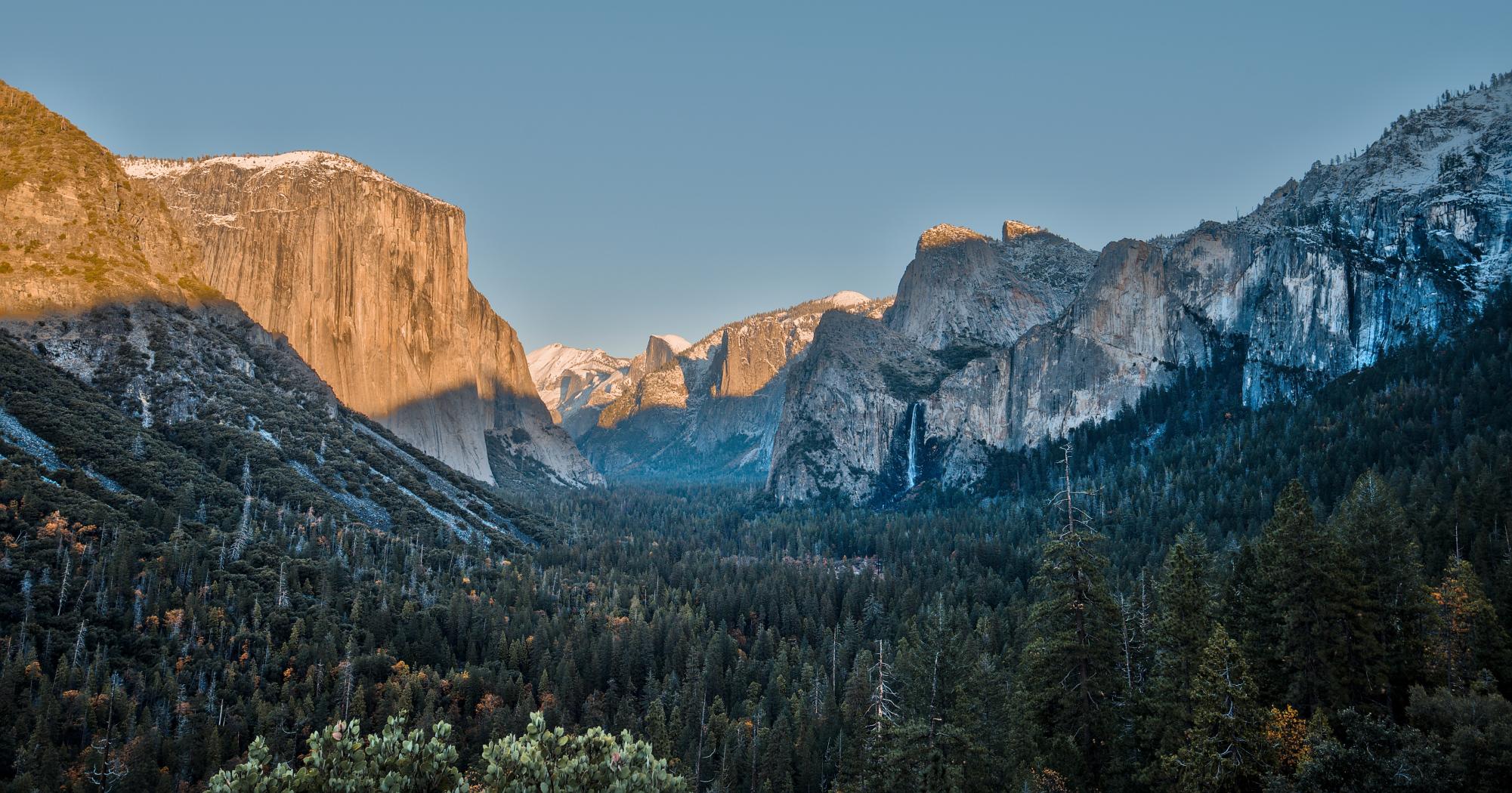
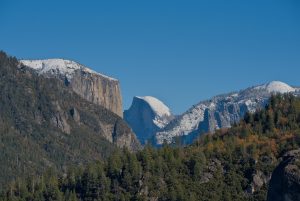
Albert Cho (11) angles his camera to capture a landscape in a single photo. Cho took the photo at Yosemite National Park. Photo courtesy of Albert Cho.
-
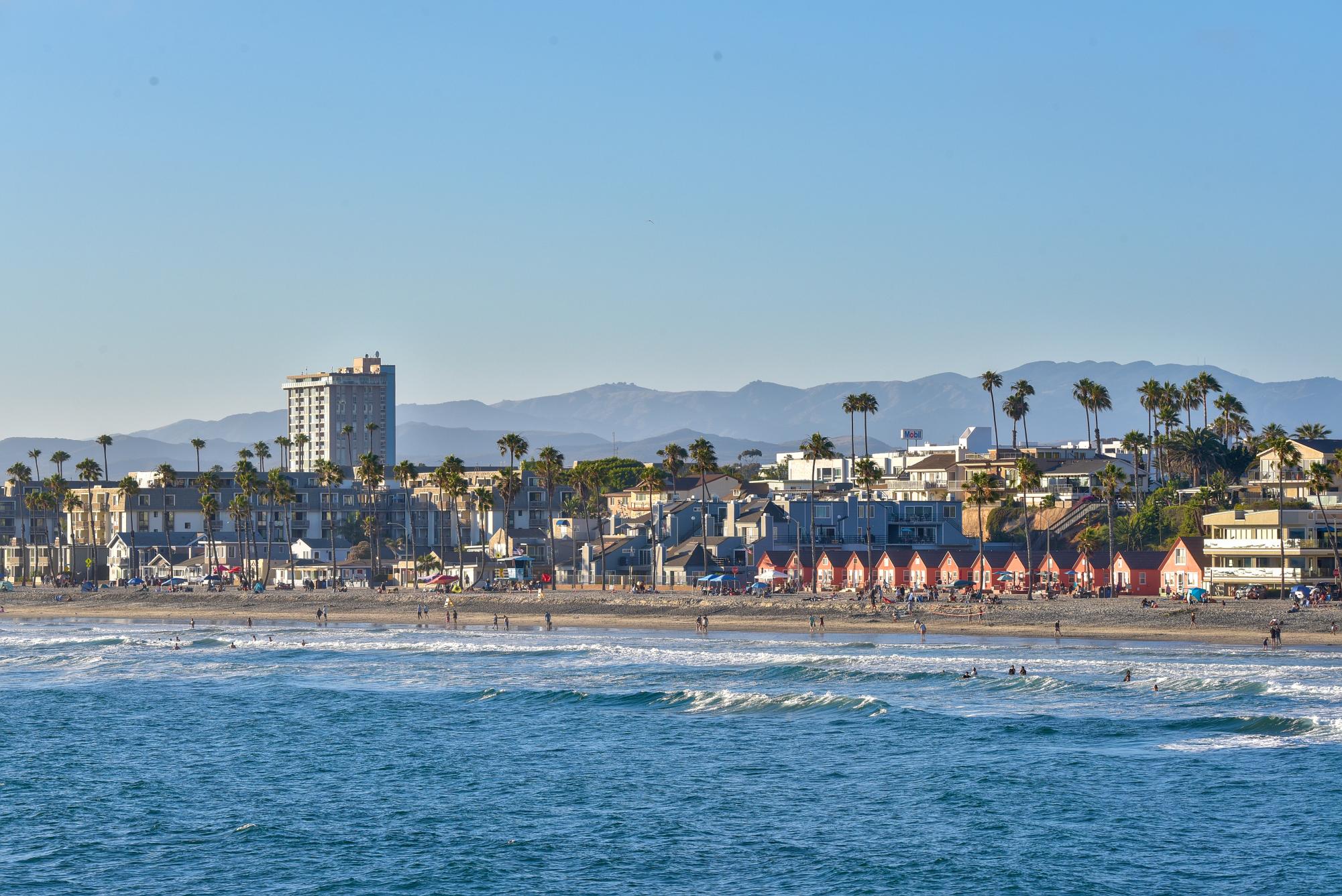
Albert Cho (11) takes a photo of Oceanside Pier. Cho took the photo on the Fourth of July. Photo courtesy of Albert Cho.
-
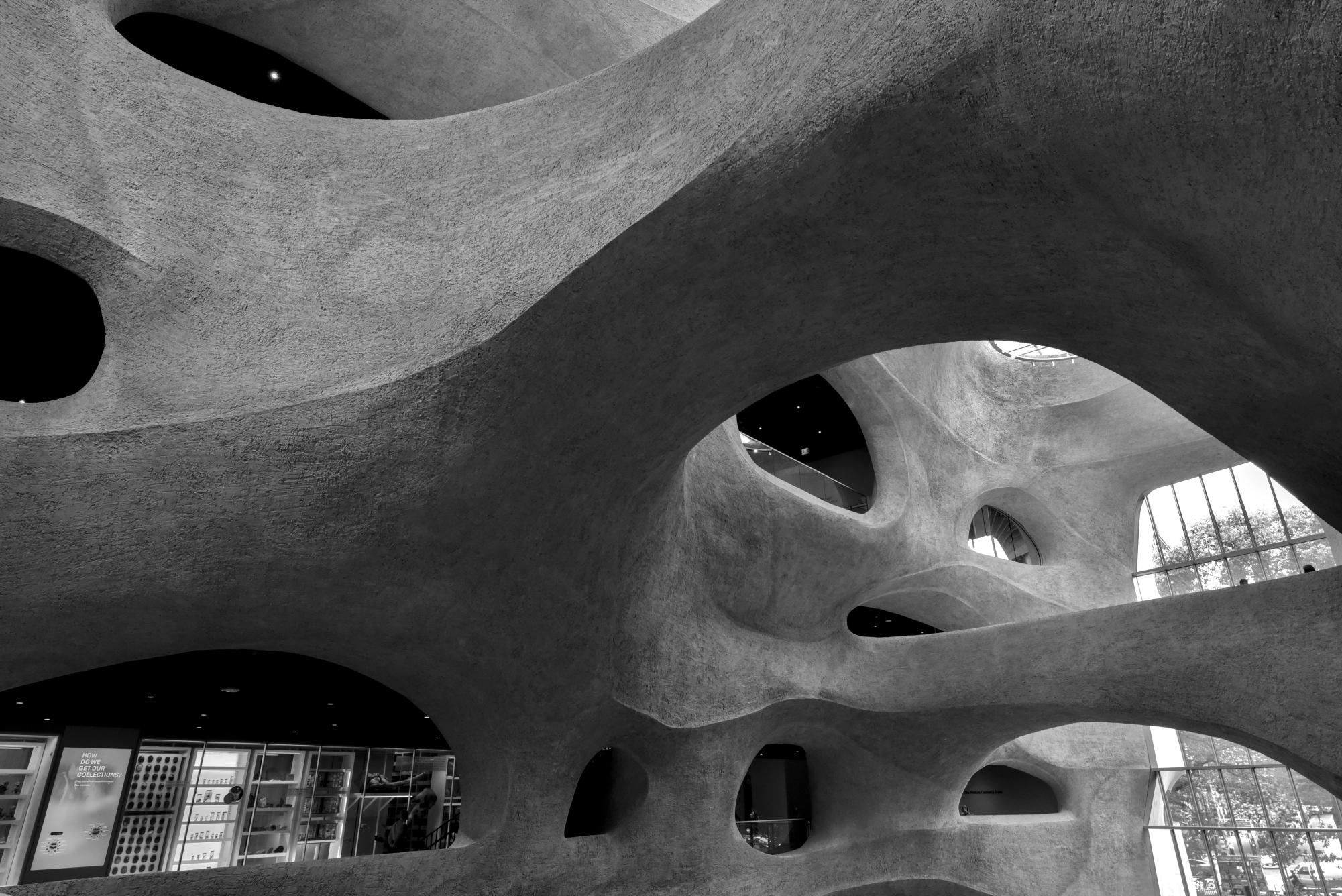
Albert Cho (11) takes a photo of a museum in New York. Cho used Dark Table to convert the photo to black and white. Photo courtesy of Albert Cho.
-
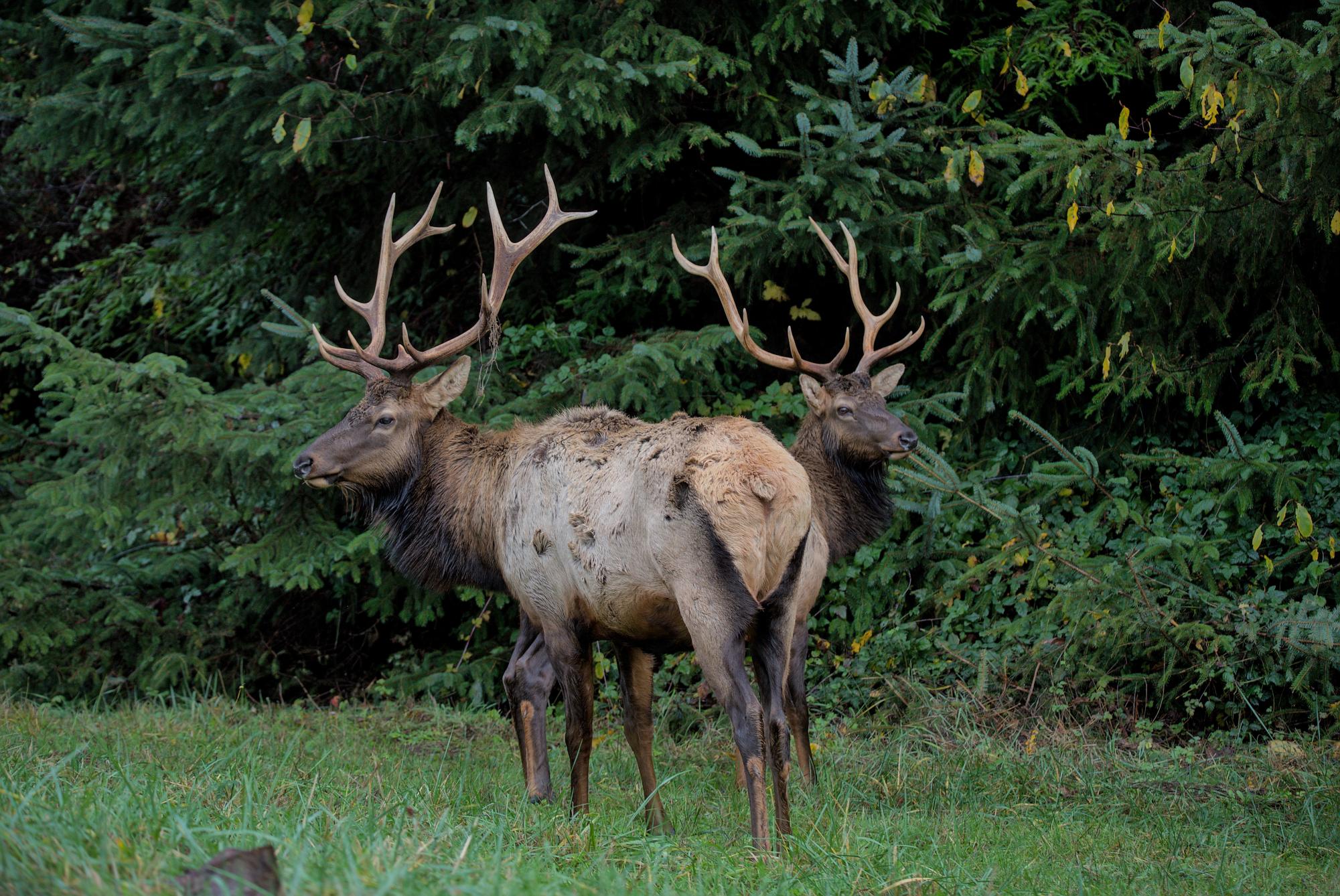
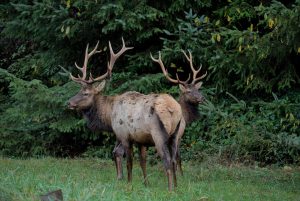
By the side of a highway ramp, Albert Cho (11) captures a photo of deer. The photo was taken at Redwoods National Park. Photo courtesy of Albert Cho.
-
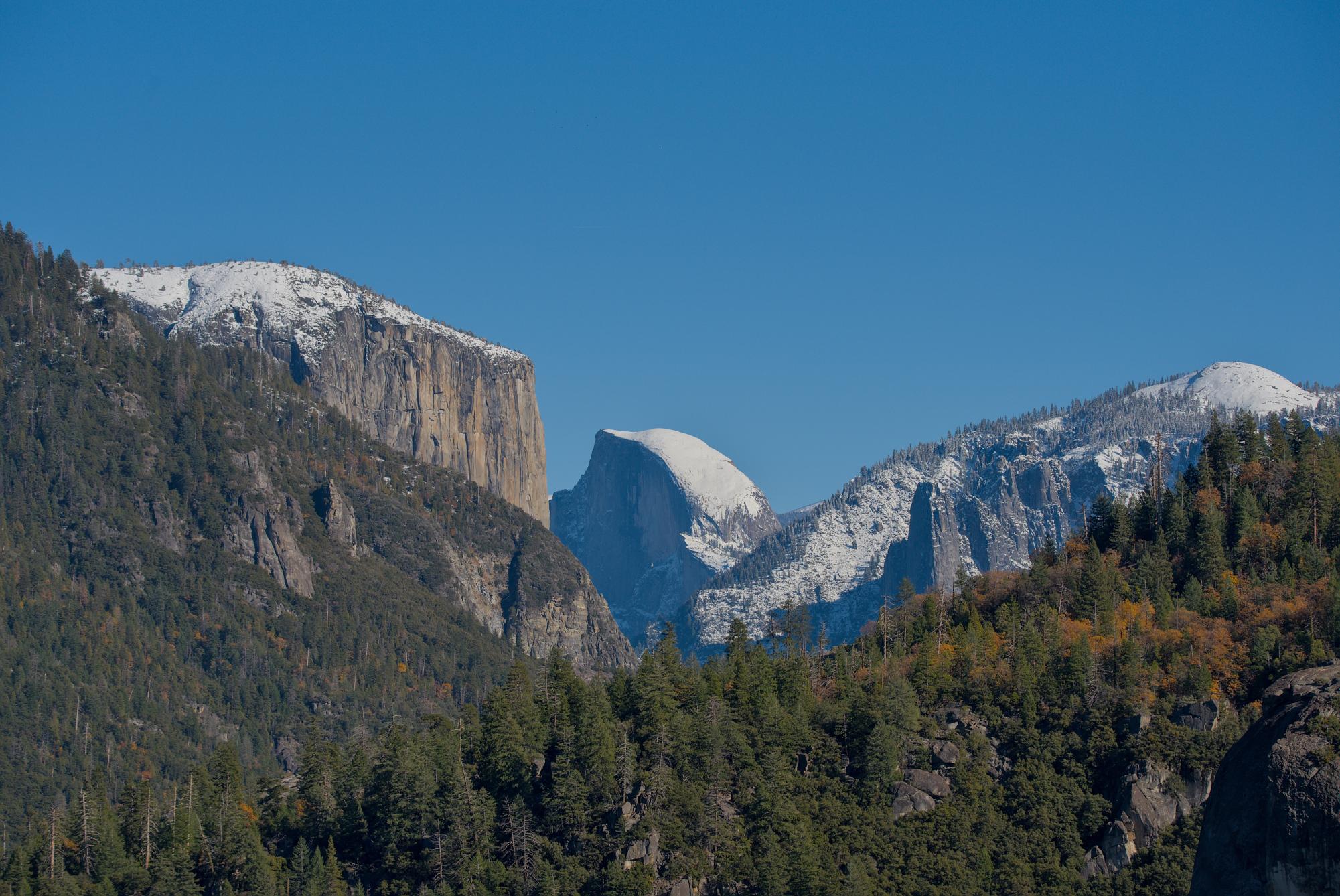
Half dome rises in the distance of Albert Cho’s (11) landscape photo. Cho began photography in 2023. Photo Courtesy of Albert Cho.
-
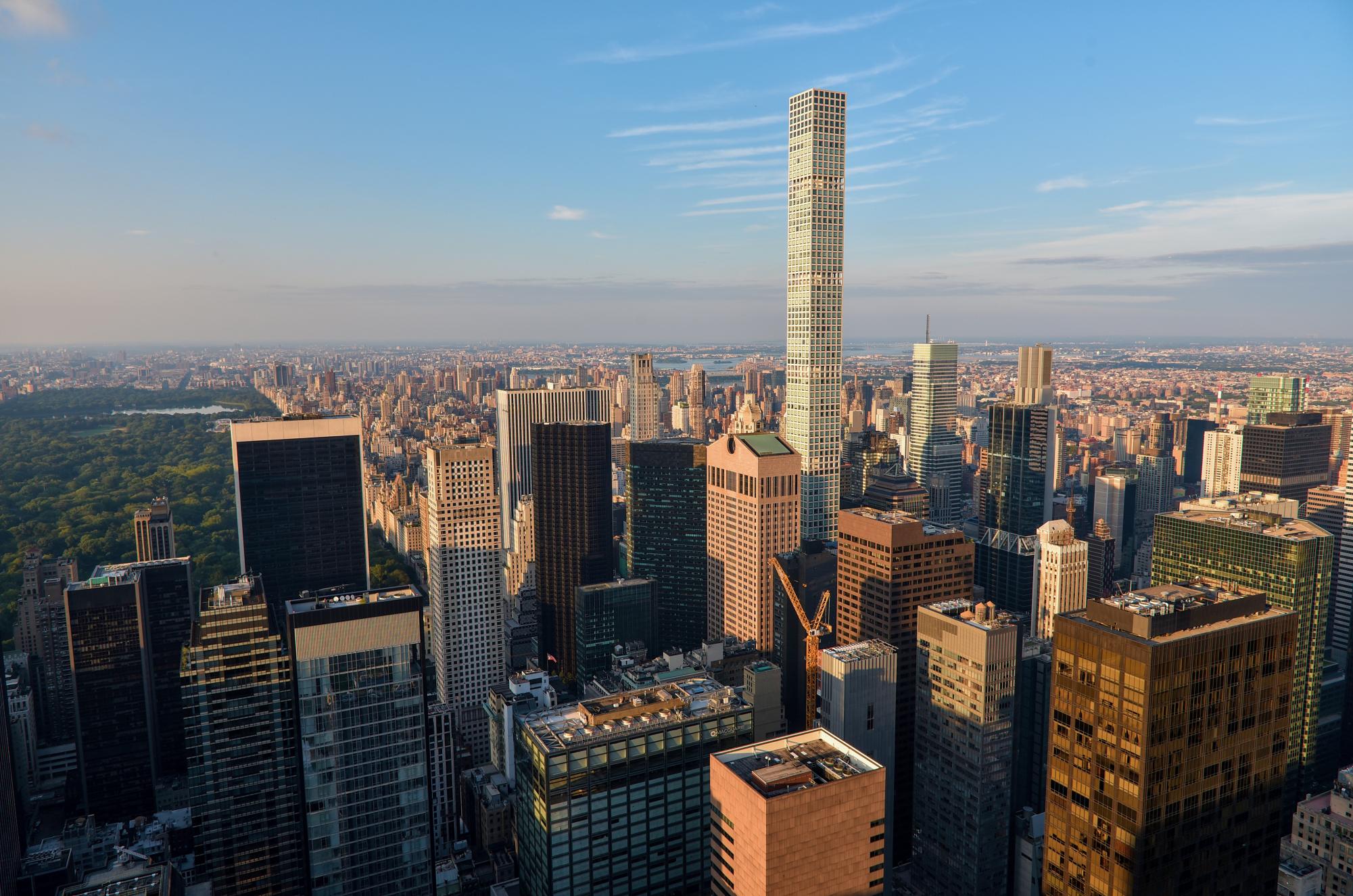
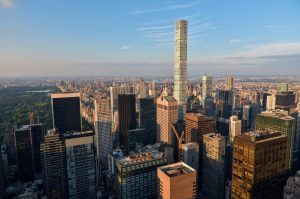
During golden hour, Albert Cho (11) takes a photo overlooking New York City. Cho used an ultra wide lens. Photo courtesy of Albert Cho.
-
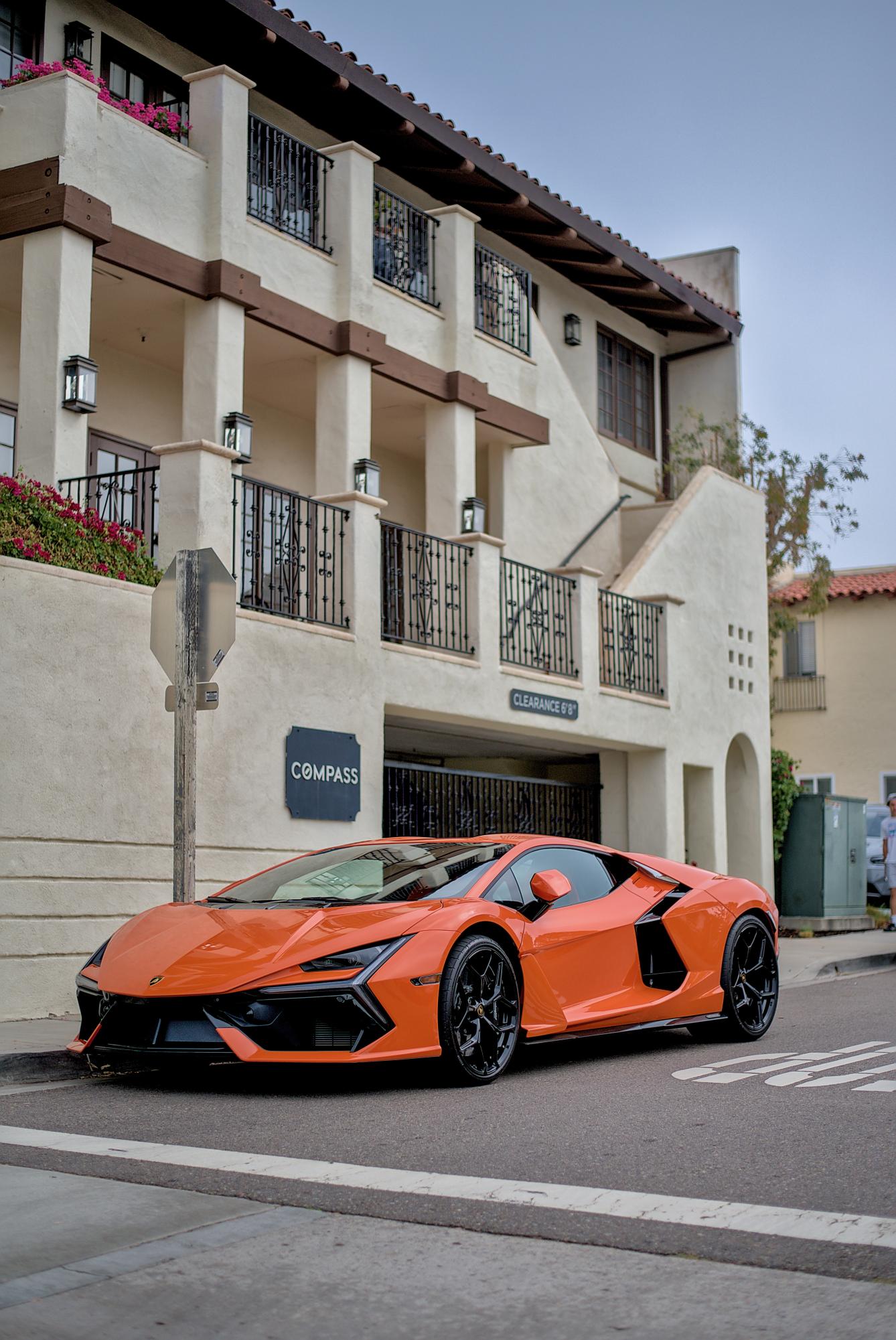
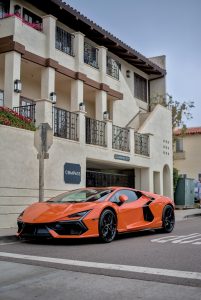
Albert Cho takes a picture of an orange Lamborghini Revuelto at the Rancho Santa Fe car show. Cho used the Nikon d750 camera. Photo courtesy of Albert Cho.
-
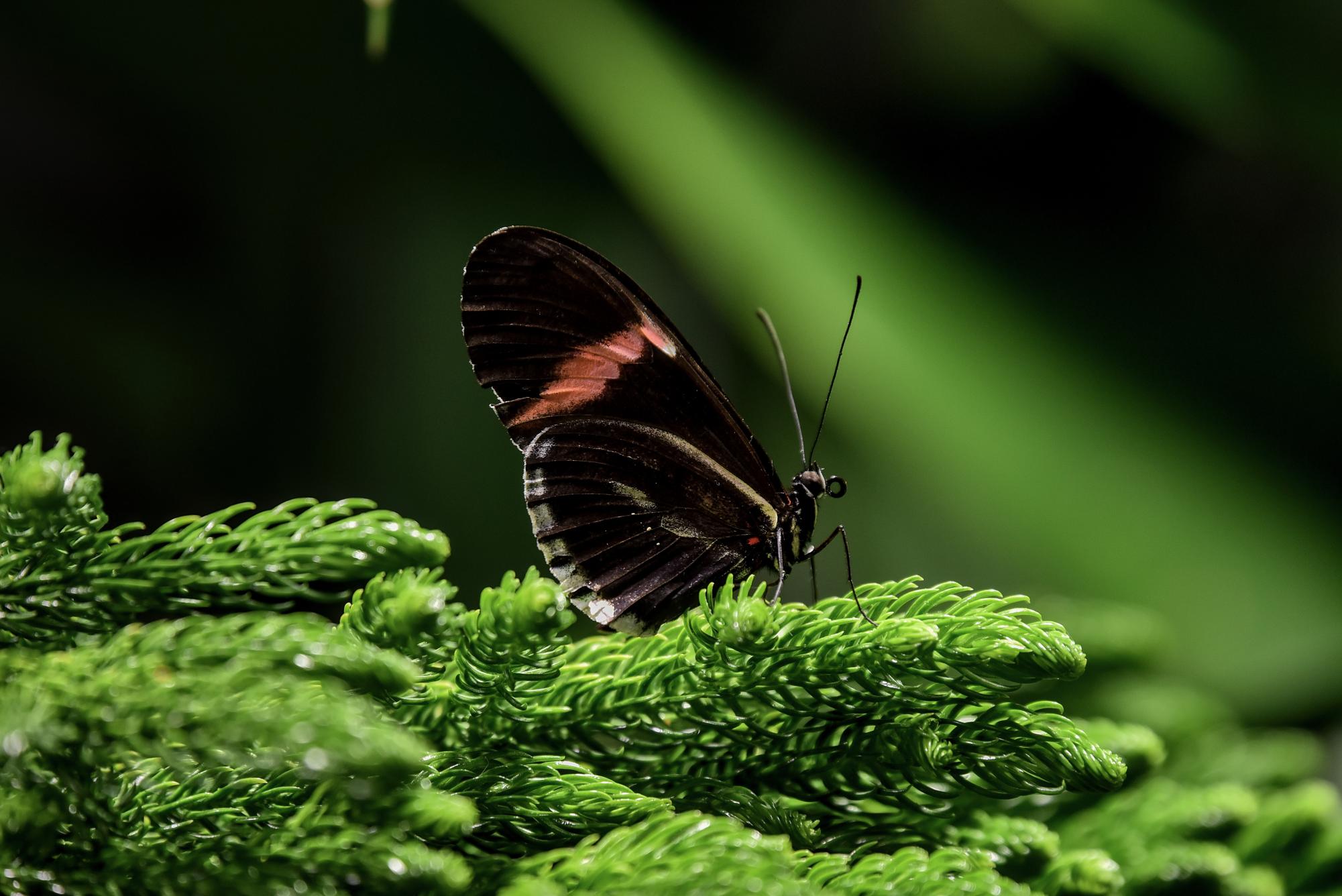
Albert Cho (11) takes a telephoto photo of a monarch butterfly. The photo was taken at a butterfly museum in New York City. Photo courtesy of Albert Cho.
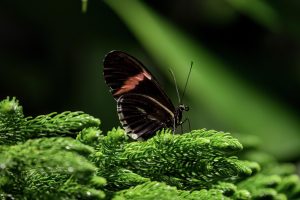
Cho started photography in 2023 after a friend taught him the basics. He bought himself a camera and began taking photos of “random stuff in [his] neighborhood, trying to find interesting subjects.” Gradually, he developed a particular affinity for nature photography.
“I go to locations like the beach and Torrey Pines,” Cho said. “I really like waterfalls, but there aren’t that many in San Diego, so I usually like national parks and canyons. Canyons are my favorite.”
As a result, Cho founded the Photography Environmental Initiative (PEI) club, which holds biweekly photography nature walks on the weekends.
“I created the club because there was not really a club on campus that focused on documenting nature and the preservation of it, so it’s basically a club teaching other photography and also telling the whole public about how nice and diverse San Diego is in its ecosystems,” Cho said.
The club’s goal is to spotlight and advocate for the preservation of the environment through their photos.
“Two weeks ago, we went to La Jolla, and there was a sea lion with this neck strangled by a plastic cord, so we documented that and told the lifeguards about it,” Cho said. “We’re showing people how we treat nature like waste.”
PEI club member Jacob Taylor (11) took videography lessons in seventh grade, but started developing an interest for photography in 2023. Like Cho, Taylor has a passion for capturing the natural world.
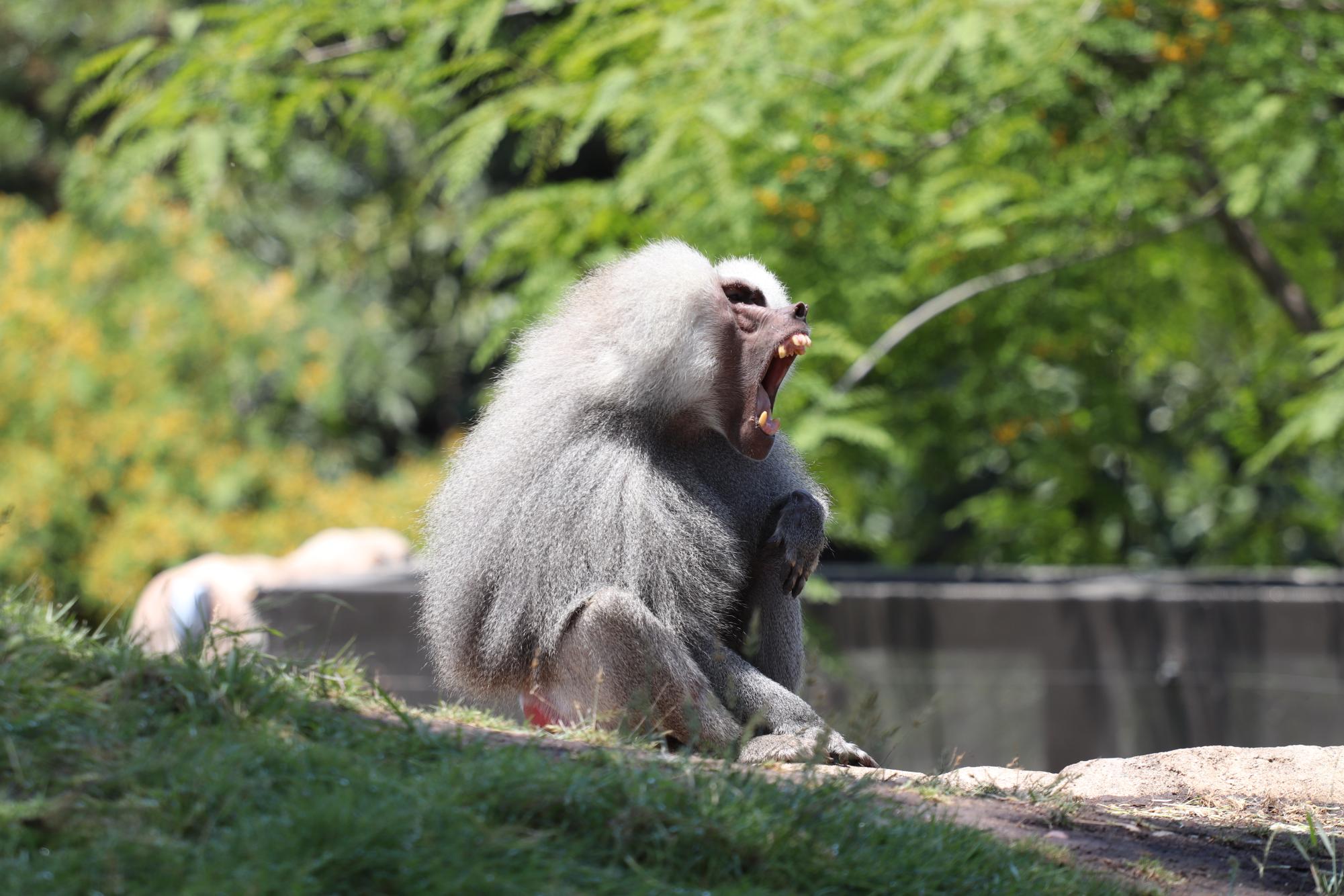
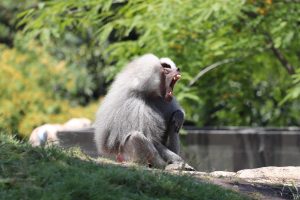
“I really like nature photography,” Taylor said. “I like to photograph animals, and over the summer I went to the zoo and got lots of cool photos of animals.”
-
Jacob Taylor (11) captures the view at Torrey Pines Beach. Taylor edited his photos using his phone. Photo courtesy of Jacob Taylor.
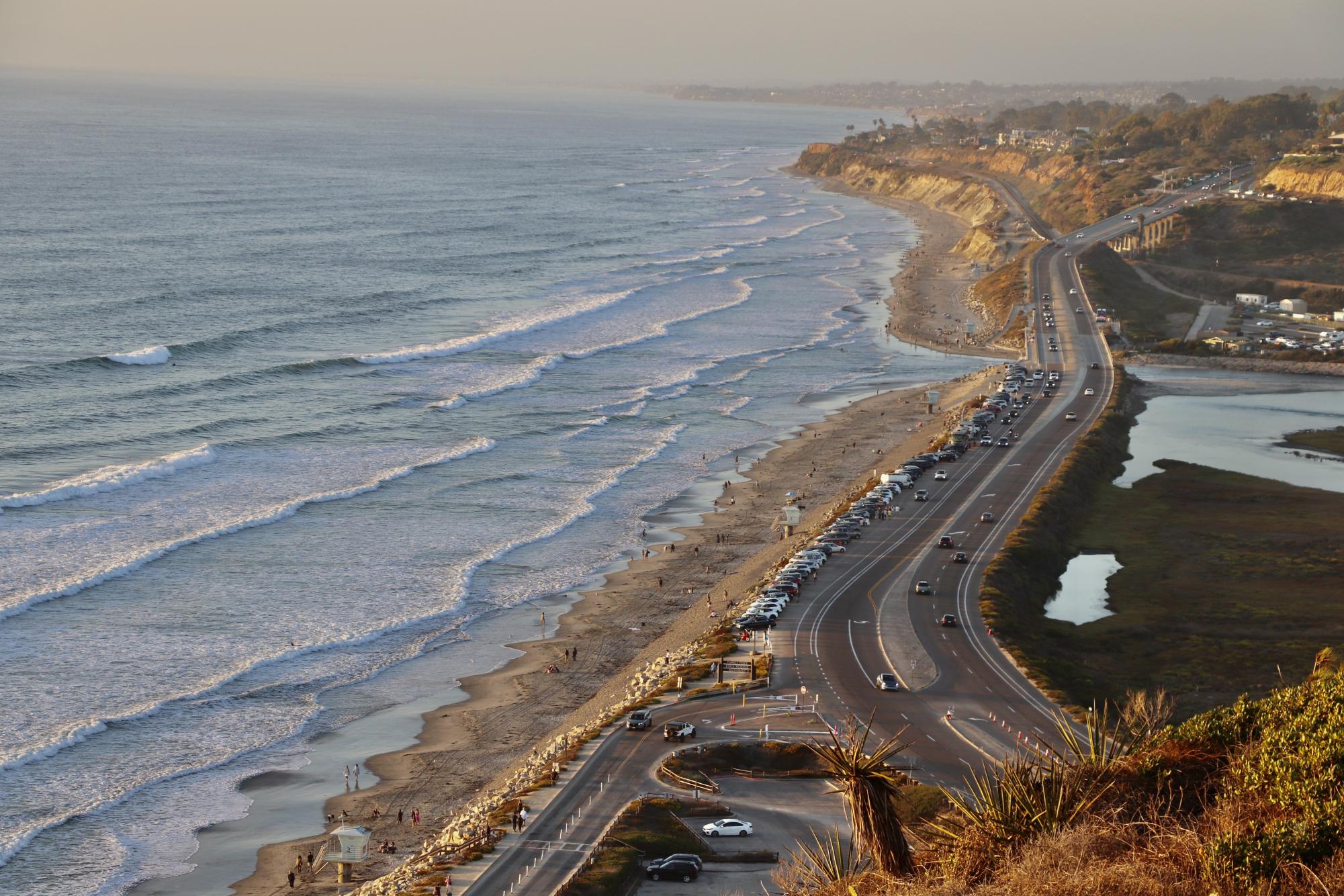
-
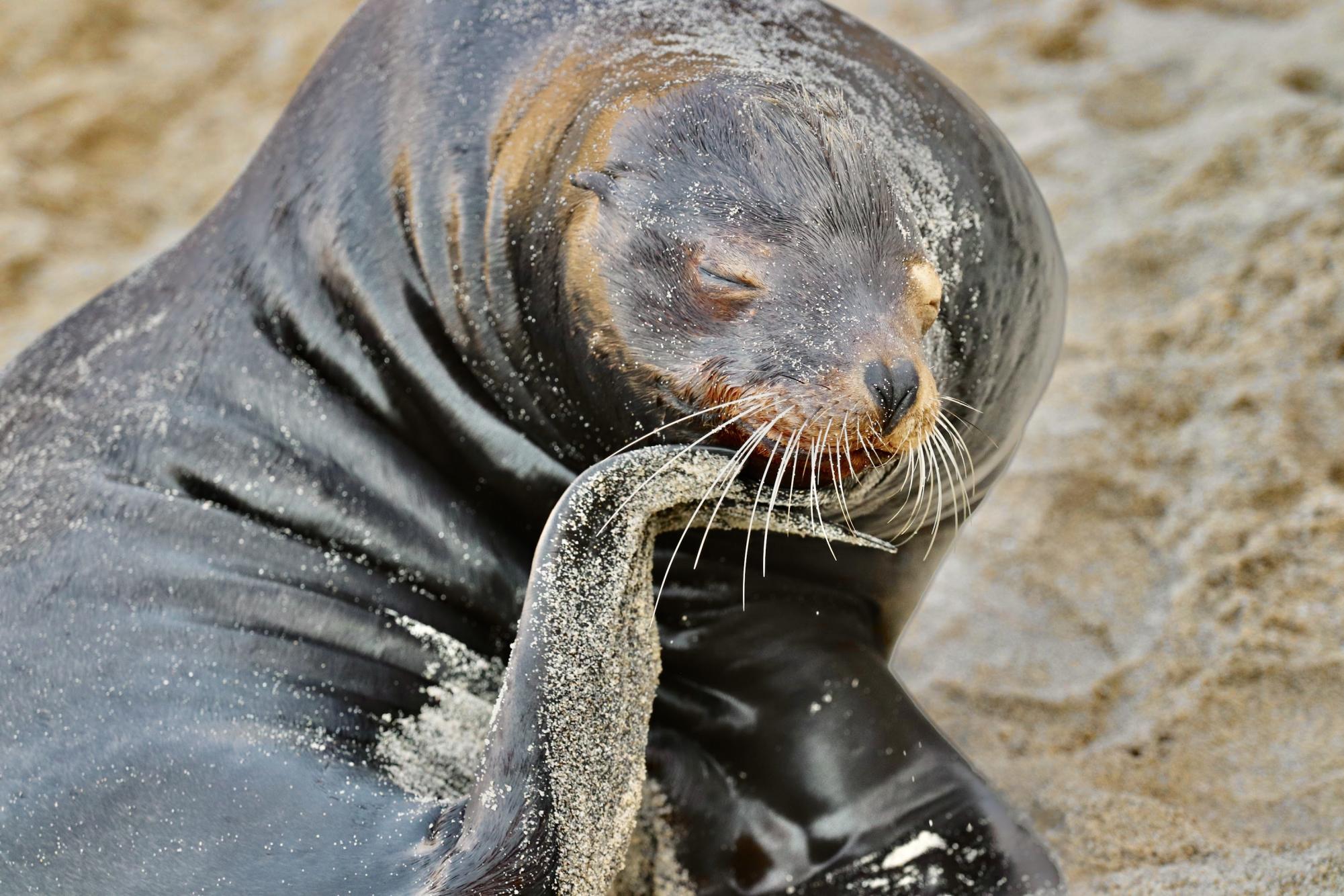
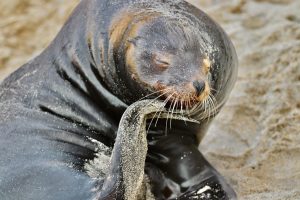
A seal scratches its head at the La Jolla Cove. The Photography, Environmental Initiative club held their latest meeting there. Photo courtesy of Jacob Taylor.
-
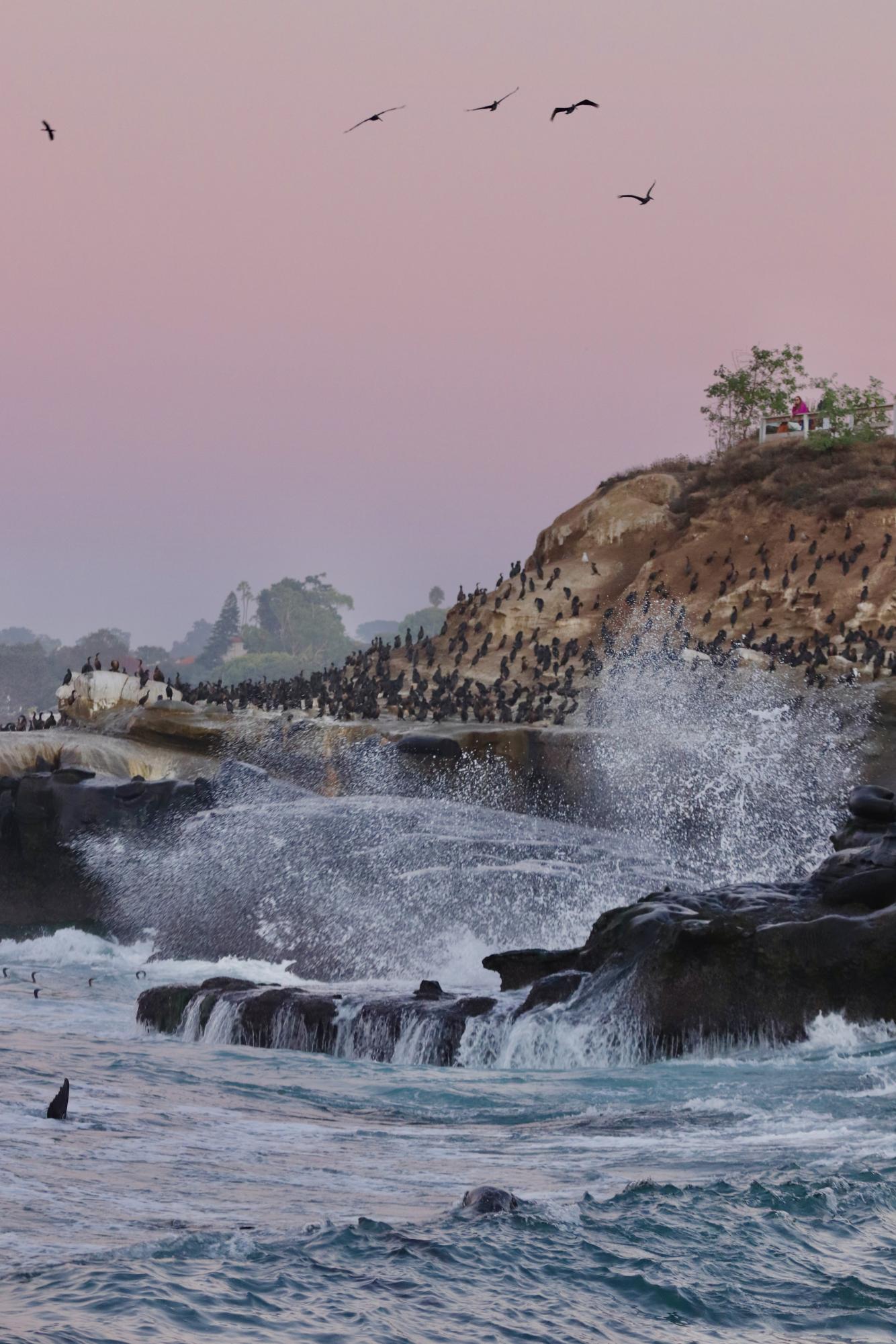
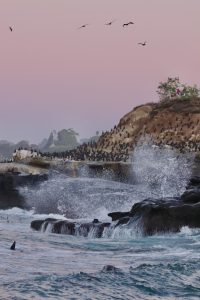
Jacob Taylor takes a photo of La Jolla Cove during the Photography, Environmental Initiative’s latest meeting. Along with seals as a subject, Jacob Taylor (11) experimented with taking vertical shots of sunsets. Photo courtesy of Jacob Taylor.
-
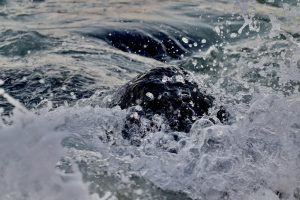
Waves crash against a rock at La Jolla Cove. “I try to take photos of stuff that seems interesting, but it’s also about innovating and being creative,” Taylor said. Photo courtesy of Jacob Taylor

-
Blue Angels jets soar over crowds during the Miramar Air Show. Jacob Taylor (11) and Albert Cho (11) attended the show this past weekend. Photo courtesy of Jacob Taylor.

-
Jacob Taylor’s (11) favorite type of photography is nature and animal photography. Taylor visited the San Diego Zoo over the summer. Photo courtesy of Jacob Taylor.
-
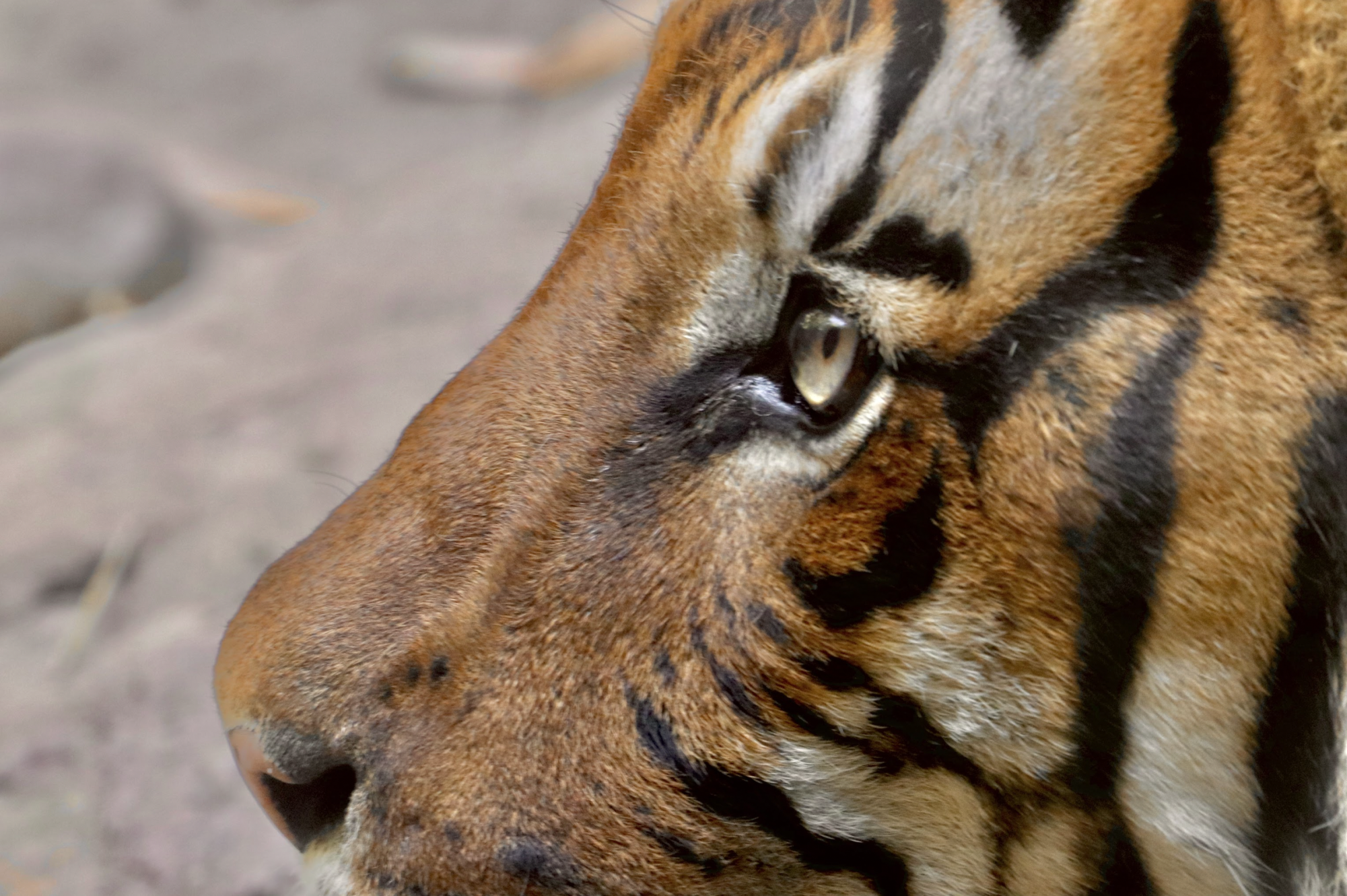
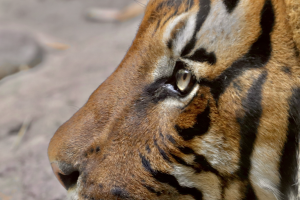
Jacob Taylor (11) takes a close up shot of a lion at the San Diego Zoo. Taylor took photos of many animals during his time there. Photo courtesy of Jacob Taylor.
-
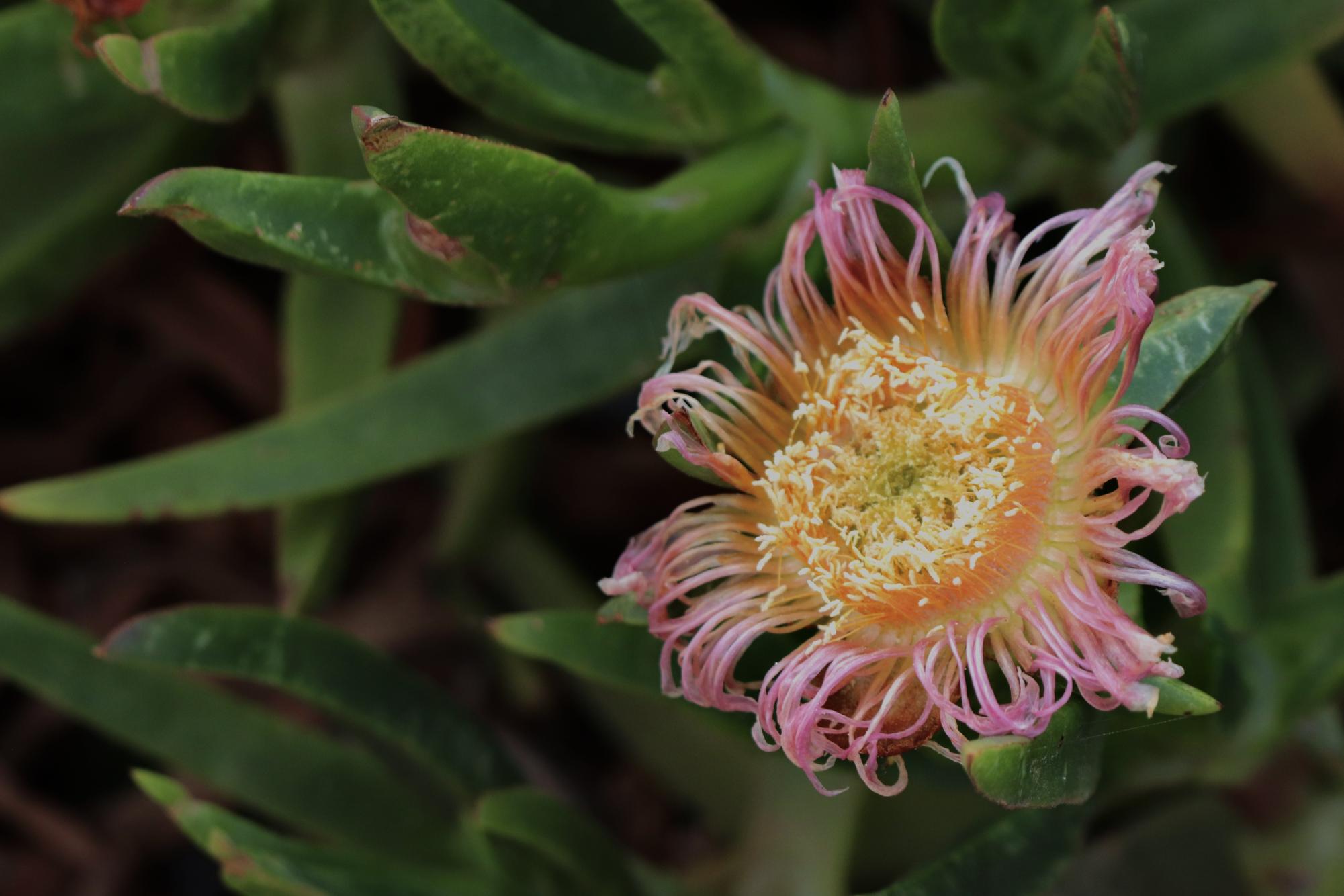
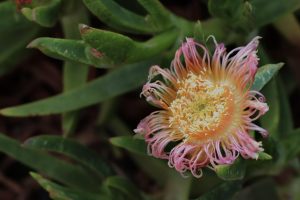
Jacob Taylor (11) takes a close up photo of a plant commonly known as an ice plant, which is found in coastal regions in California. Taylor joined the school’s Photography Environmental Initiative club in 2024. Photo courtesy of Jacob Taylor.

On the other hand, Lee has been taking photos for “as long as [he] can remember,” although he didn’t see it as “something serious at first.”
“I’d grab my parents’ phone to capture a dew drop sliding down a flower petal, sunlight dancing across a table from a suncatcher or a goofy moment with my sister,” Lee said.
Lee grew up in a family of artists: his grandfather was “one of only two photographers in Taiwan to earn the highest rank in The Royal Photographic Society,” one of his aunts is a fashion designer and another aunt is a sculptor and his dad has a background in industrial design.
“I’ve always been surrounded by creativity,” Lee said. “I tried drawing for a while, which was not my strong suit, but that detour eventually led me to photography.”
-
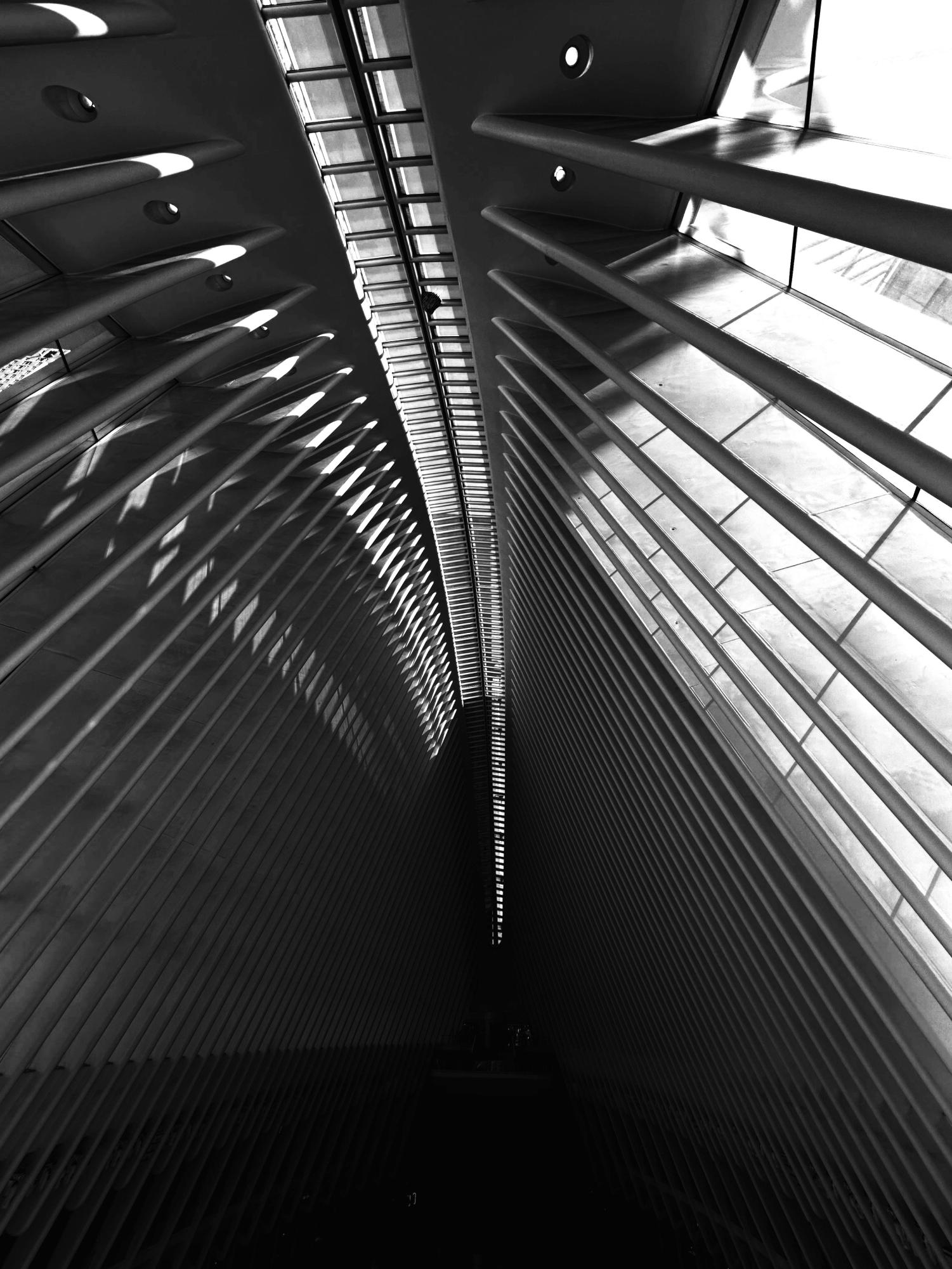
Ivan Lee (12) captures the Oculus, designed by Santiago Calatrava and built in memory of 9/11. Lee chose to edit the image in black and white to convey the “haunting emotions” he felt while standing there and to highlight its rib-like structure through contrast. Photo courtesy of Ivan Lee.
-
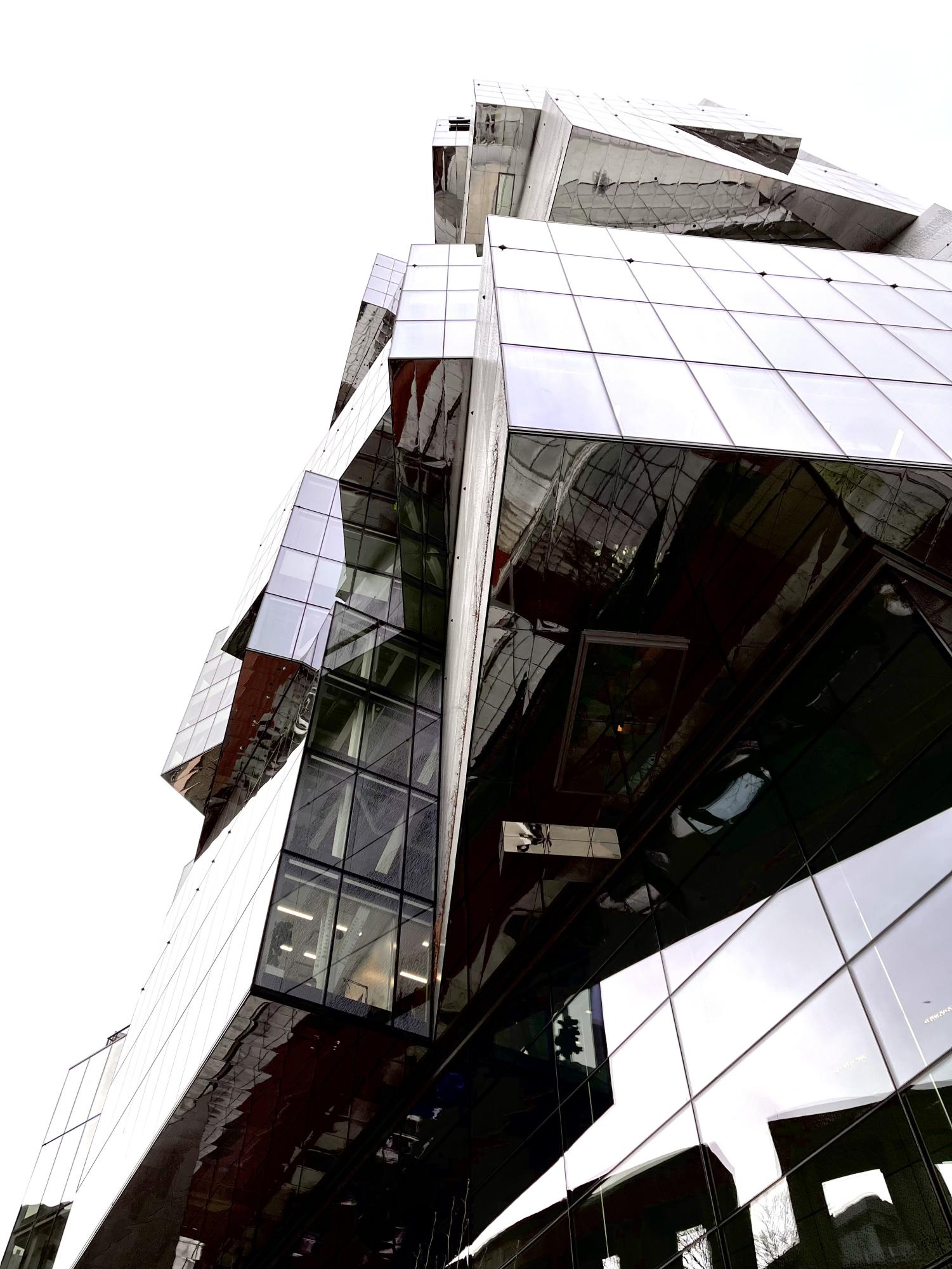
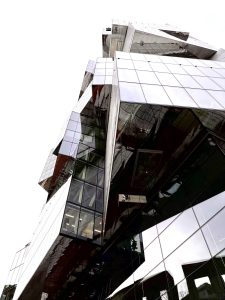
While traveling in Vancouver, Canada, Ivan Lee takes a snapshot of an office building. Lee converted the photo to black and white to make the shapes and contrasts stand out. “It’s just a regular office building, but from certain angles, the overlapping cubes create a striking composition with a lot of depth,” Lee said. Photo courtesy of Ivan Lee.
-
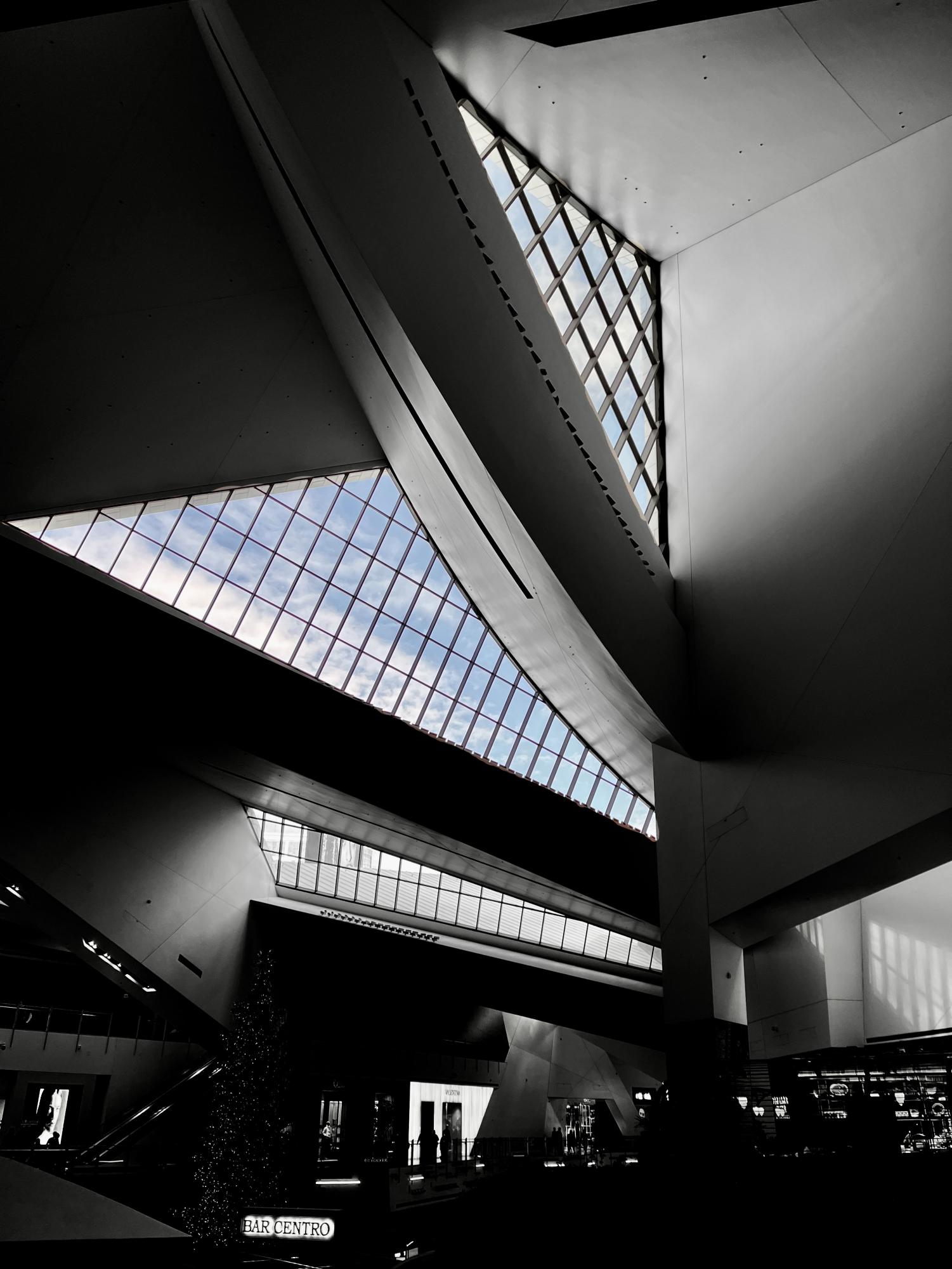
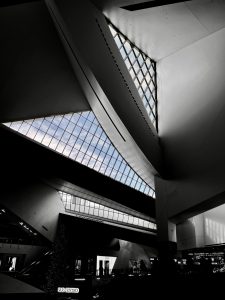
Ivan Lee (12) takes a photo inside The Shops at Crystals in Las Vegas. Lee kept the sky colored, but edited the inside to be black and white. Photo courtesy of Ivan Lee.
-
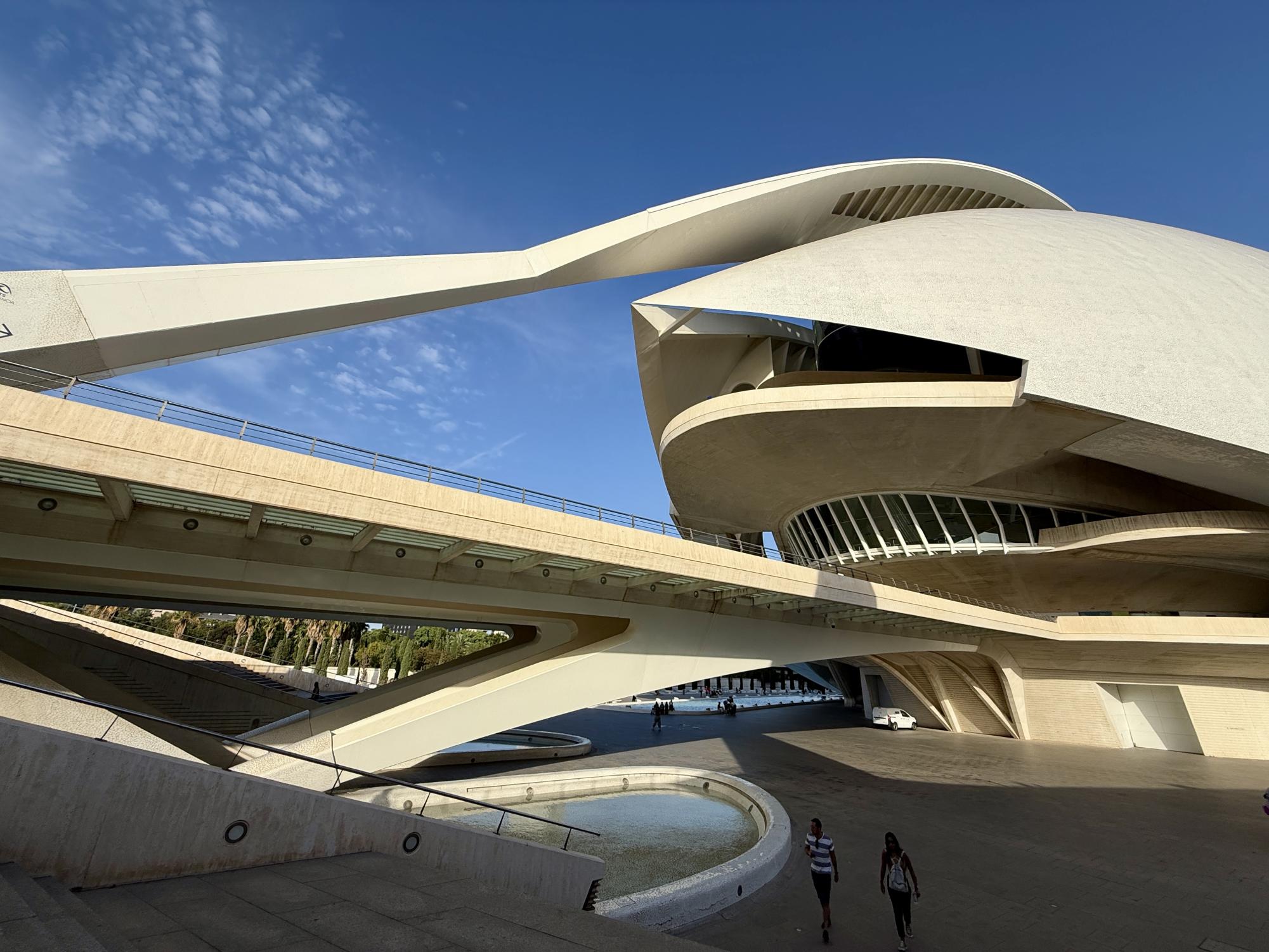
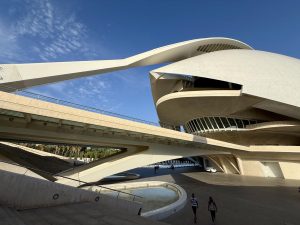
Shot outside the Ciudad de las Artes y las Ciencias in Valencia, Spain, Ivan Lee’s (12) photo captures the neo-futuristic architecture. Photo courtesy of Ivan Lee.
-
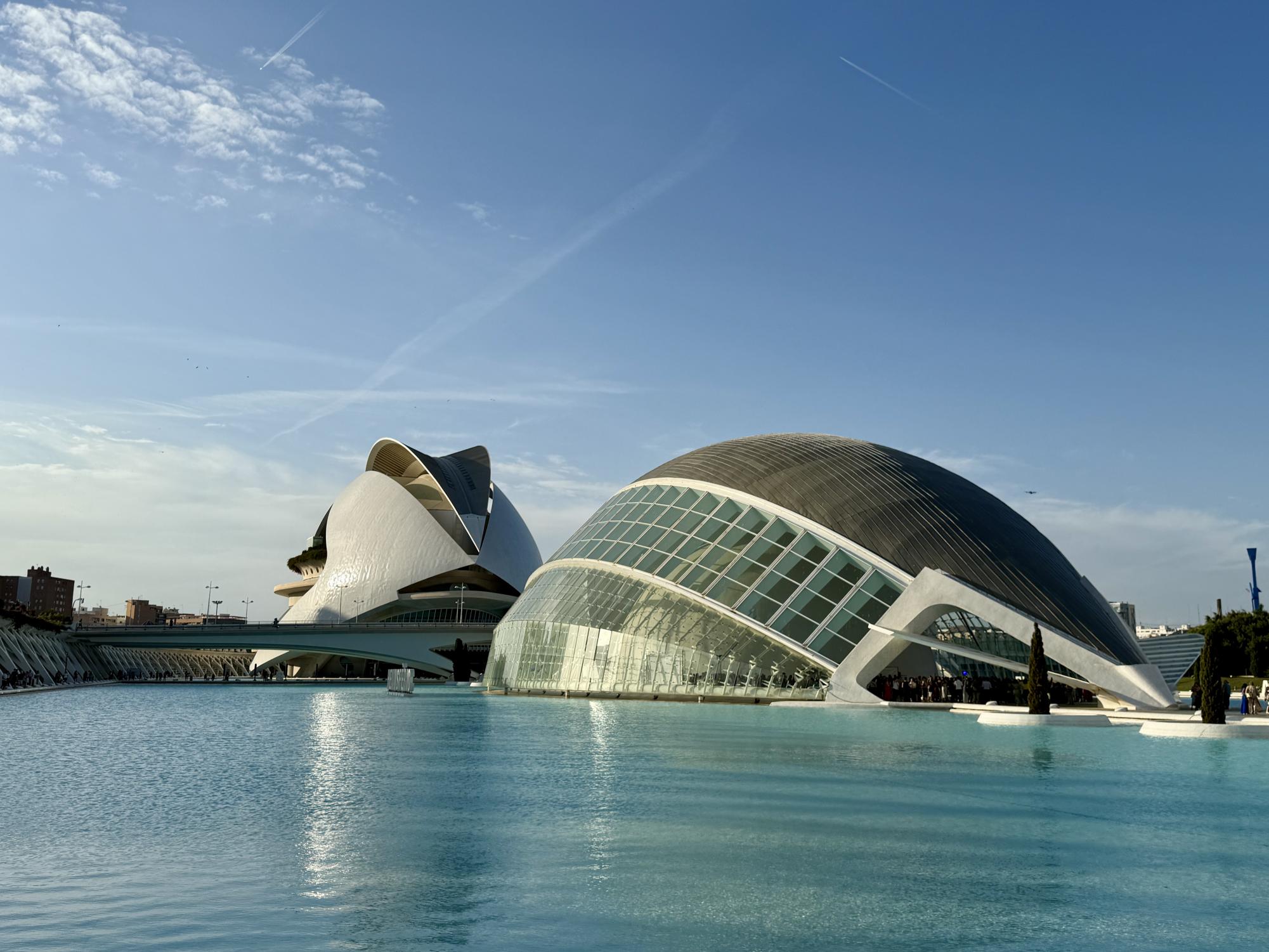
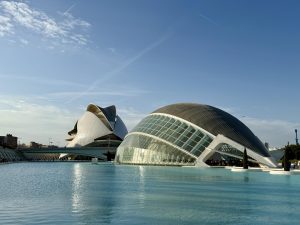
The Ciudad de las Artes y las Ciencias resembles an eye from a different angle. A mix of organic forms and engineering, it was designed by Santiago Calatrava, one of Lee’s favorite architects, and completed in the early 2000s. Photo courtesy of Ivan Lee.
-
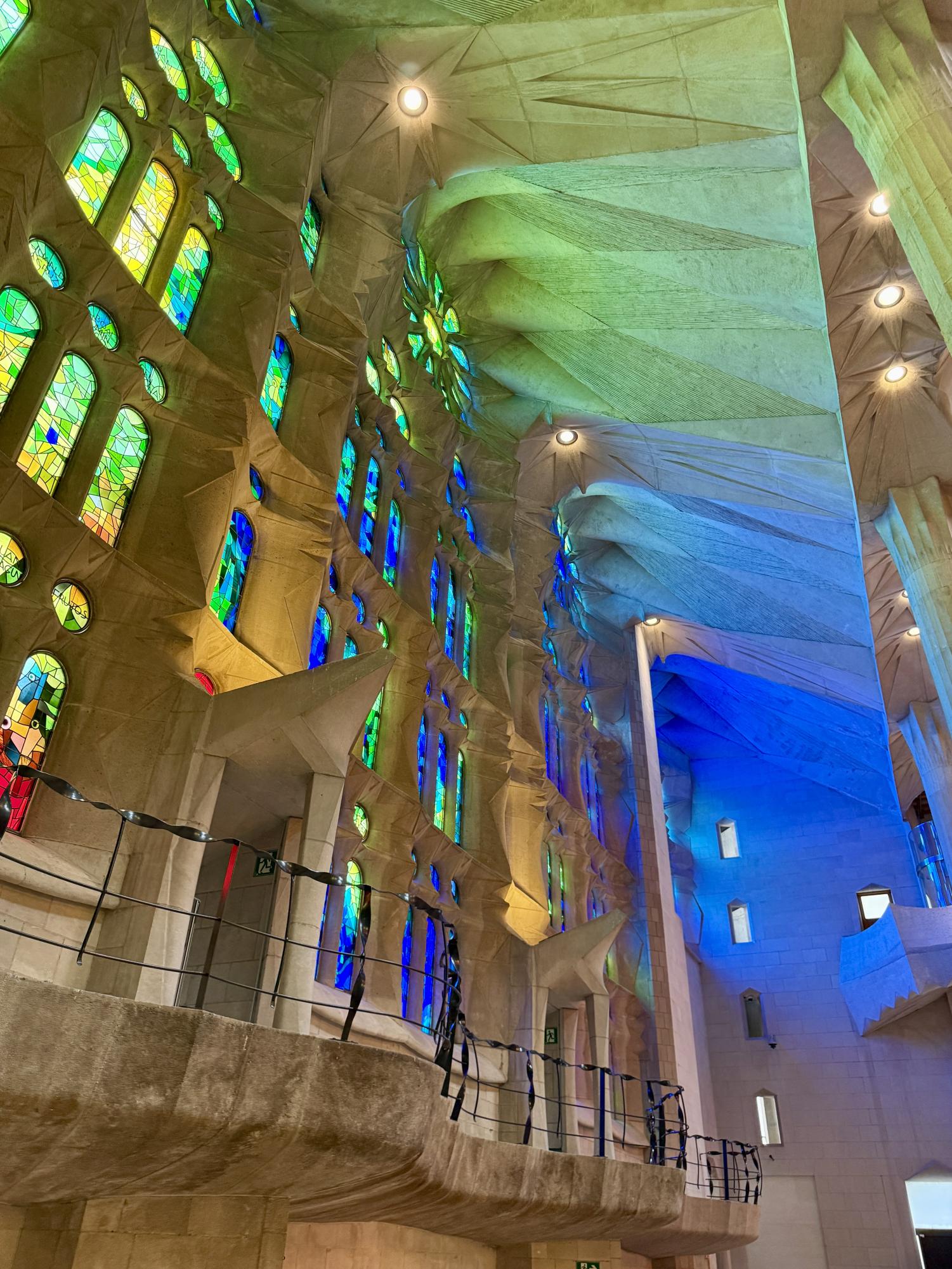
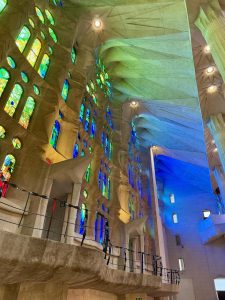
Through Ivan Lee’s (12) camera, sunlight beams through the stained glass windows of the Basílica de la Sagrada Família in Barcelona. Photo courtesy of Ivan Lee.
-
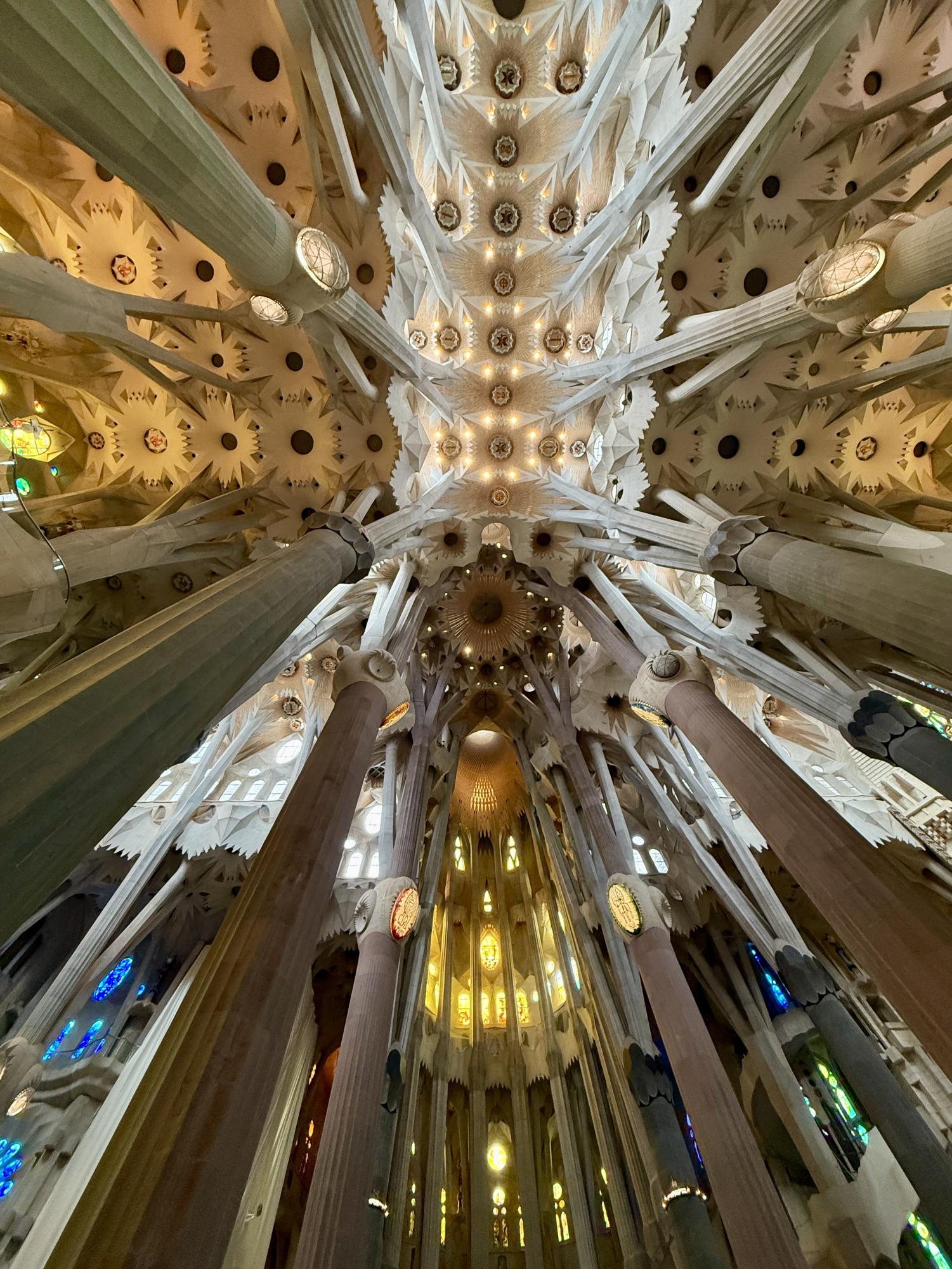
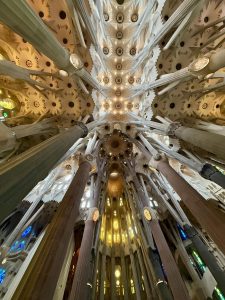
From a worm’s eye view perspective, Ivan Lee (12) photographs the ceiling of the Basílica de la Sagrada Família. The building earned designer Antoni Gaudí the nickname “God’s Architect.” “The whole building feels alive,” Lee said. “Light pours through the stained glass, beams stretch like trees, and every corner holds symbolism.” Photo courtesy of Ivan Lee.
-
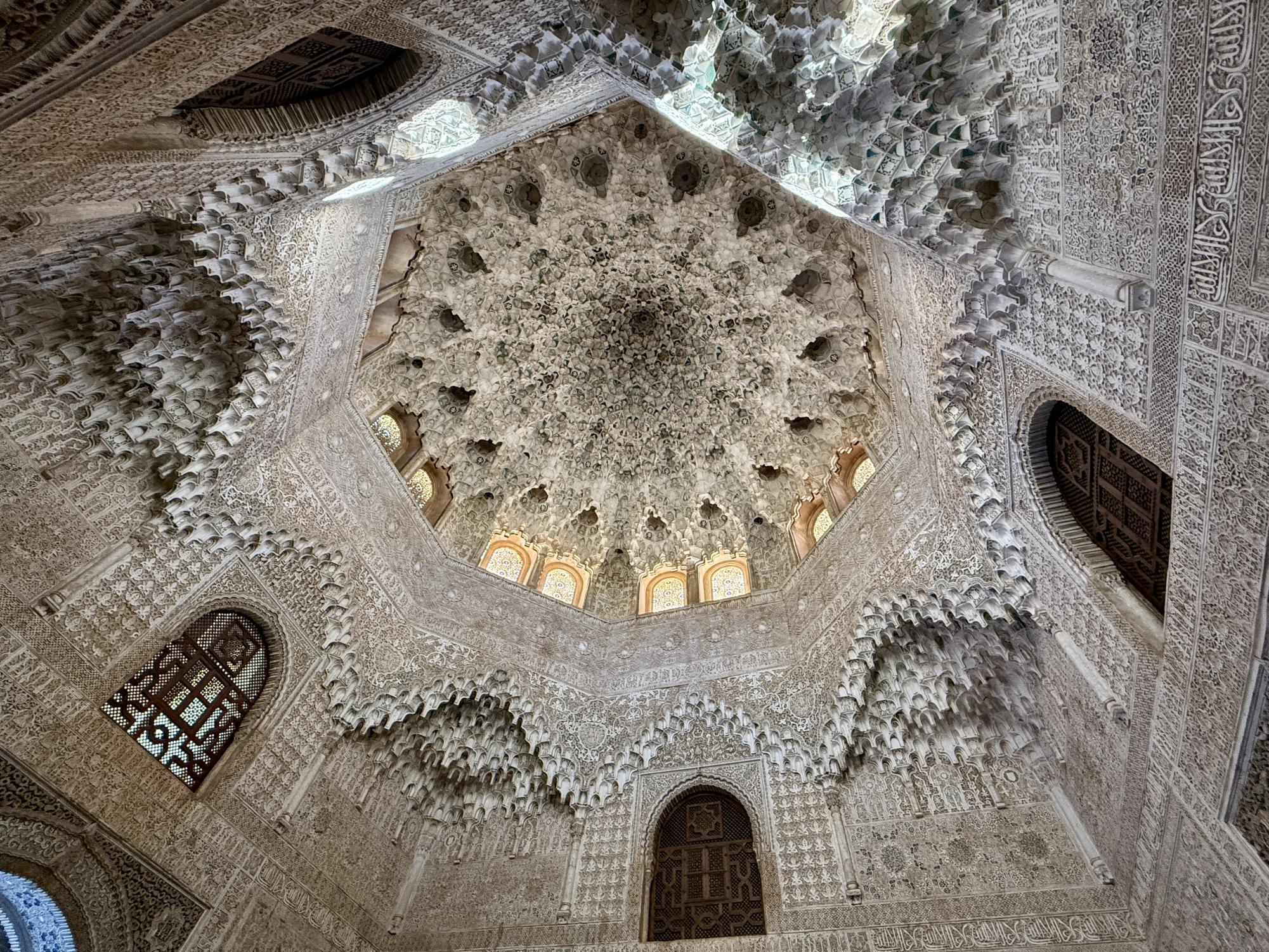
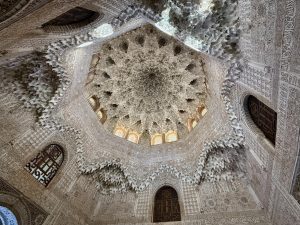
Ivan Lee (12) photographs the dome at the Alhambra in Granada, Spain. Lee stated that his work leans towards architectural and travel photography. Photo courtesy of Ivan Lee.
-
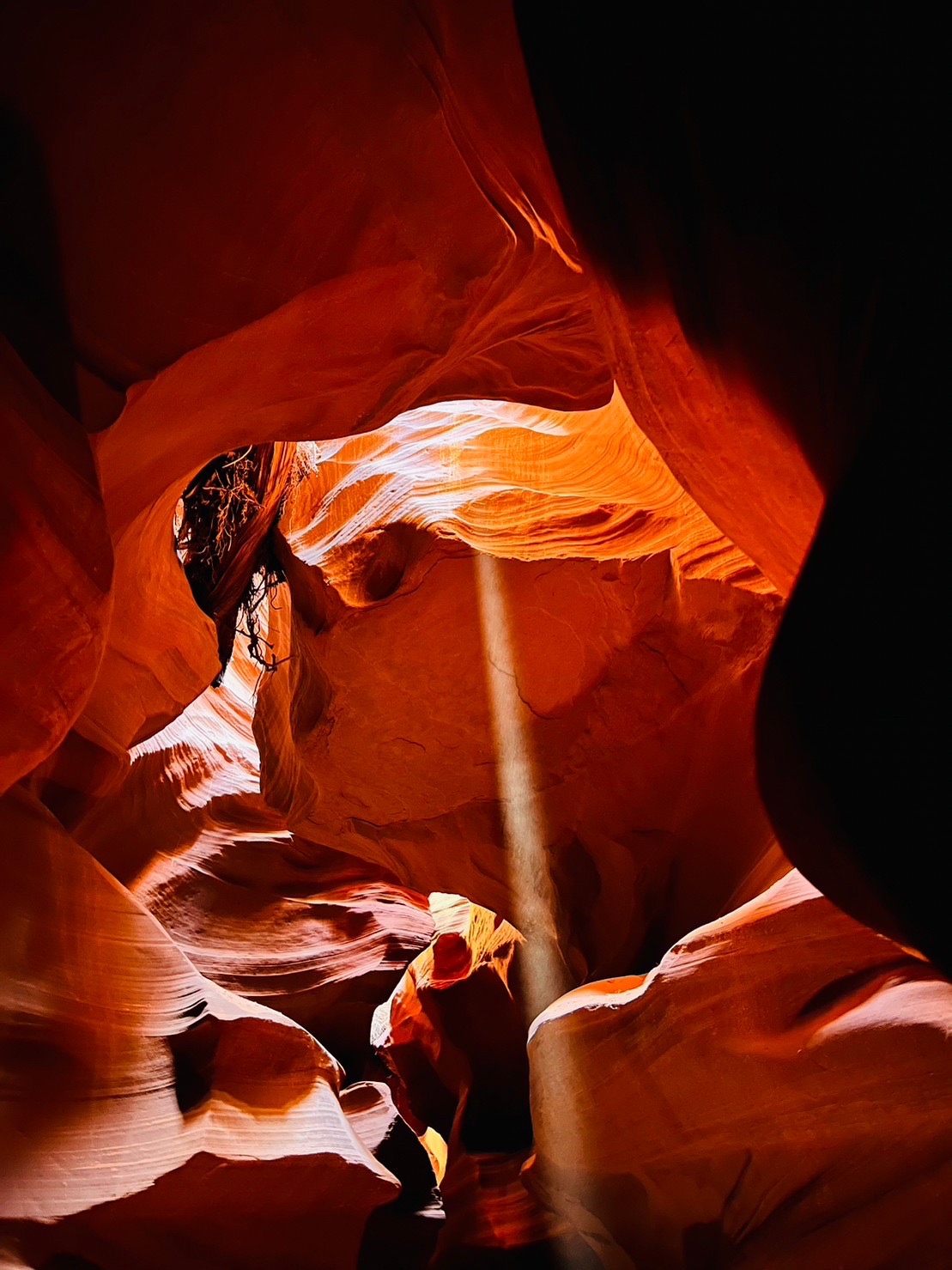
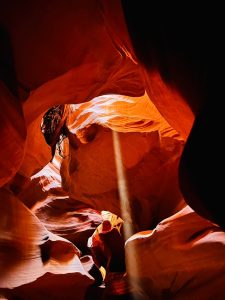
Ivan Lee’s (12) photo, taken in Antelope Canyon in Arizona, features a diagonal line running across the frame. The line balanced the darker right side and acted as a guide for the viewer’s eye. Photo courtesy of Ivan Lee.
-
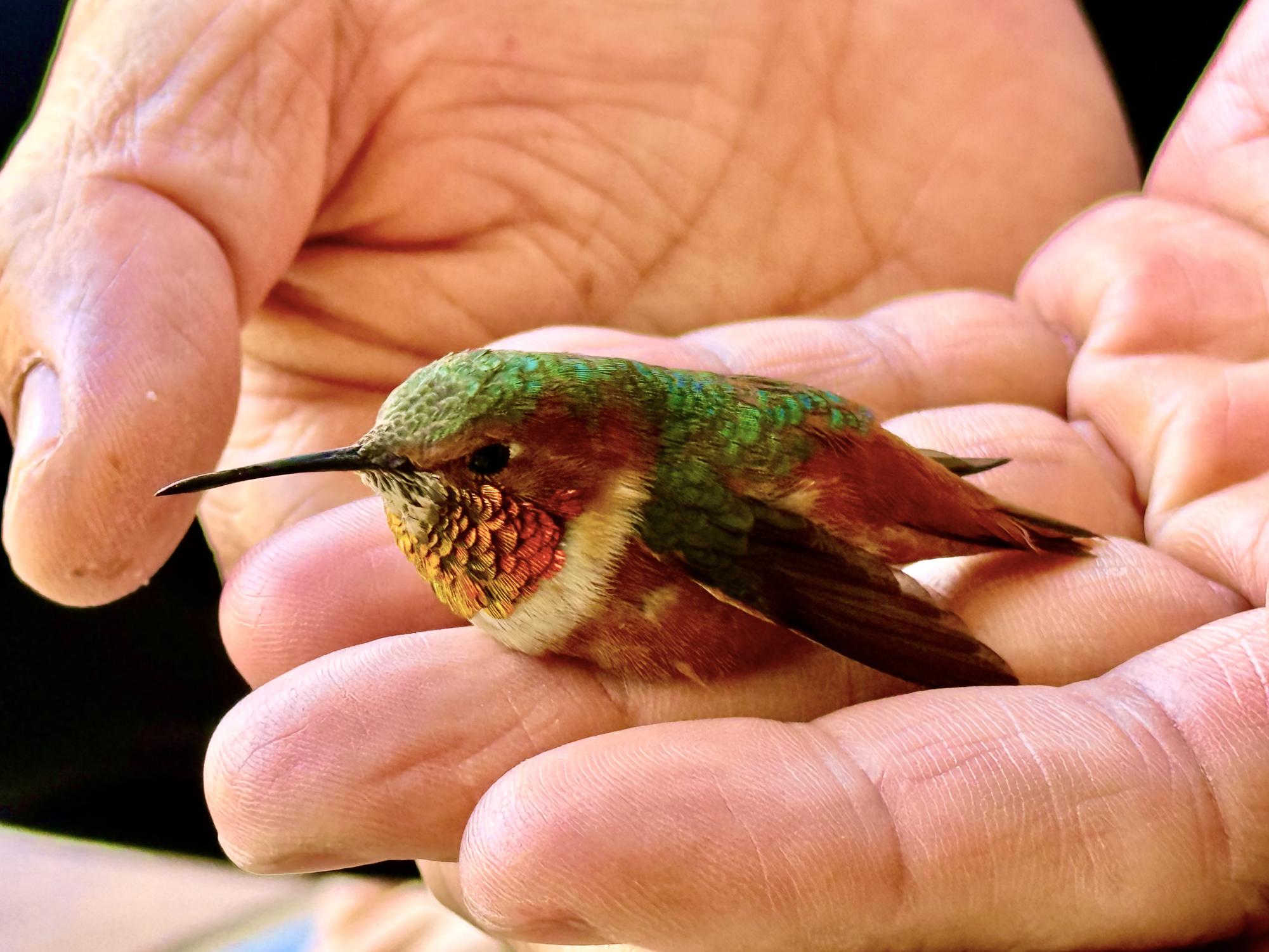
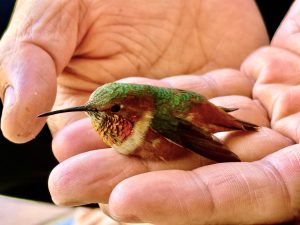
Ivan Lee (12) takes a close up shot of a hummingbird. “[Photography is] like preserving proof that something once existed,” Lee said. Photo courtesy of Ivan Lee.
-
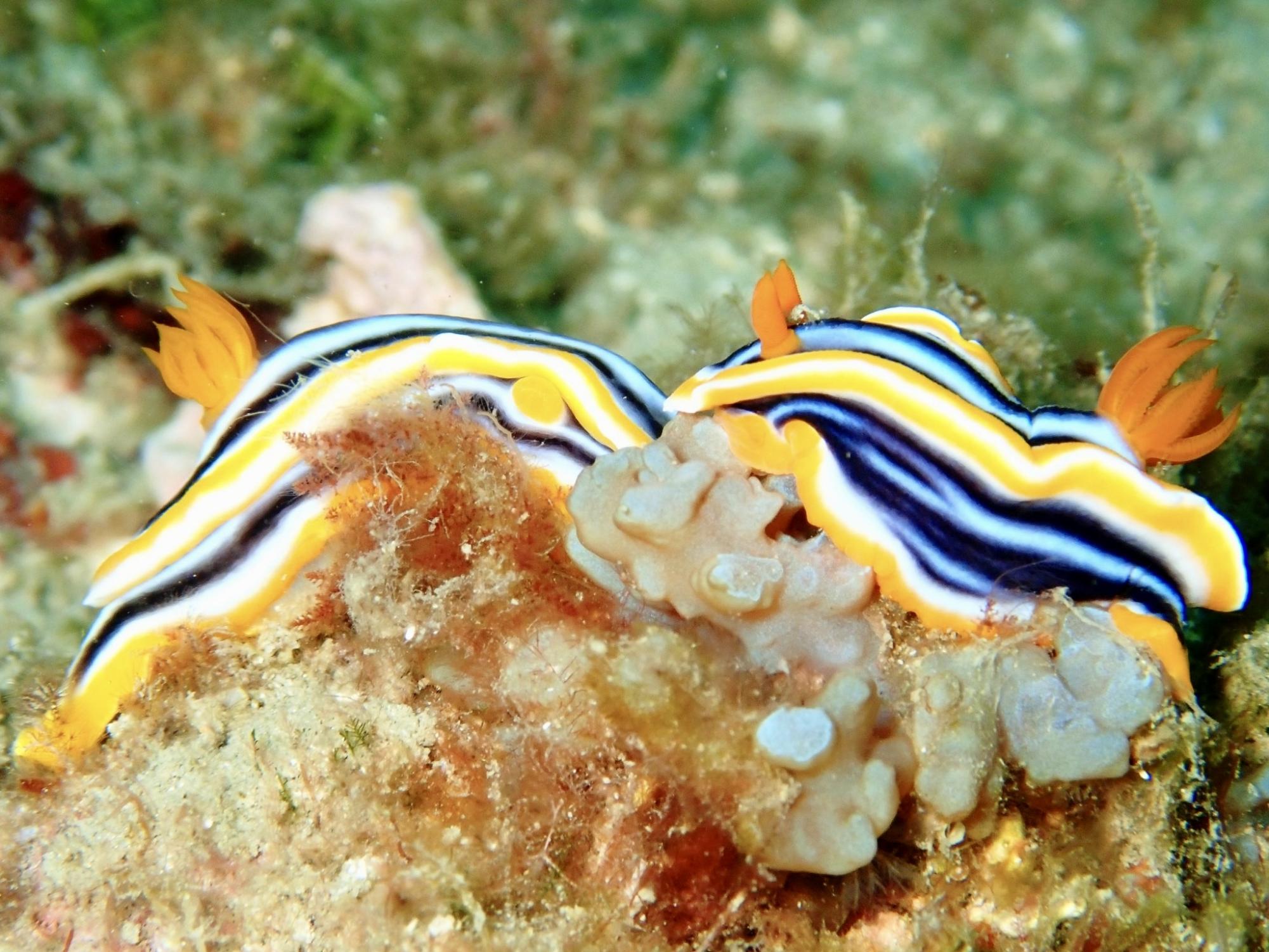
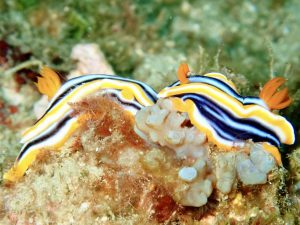
While scuba diving as a hobby, Ivan Lee (12) captures two Magnificent Nudibranchs using his diving partner’s camera. The photo was taken at Lambai Island in Taiwan. Photo courtesy of Ivan Lee.
-
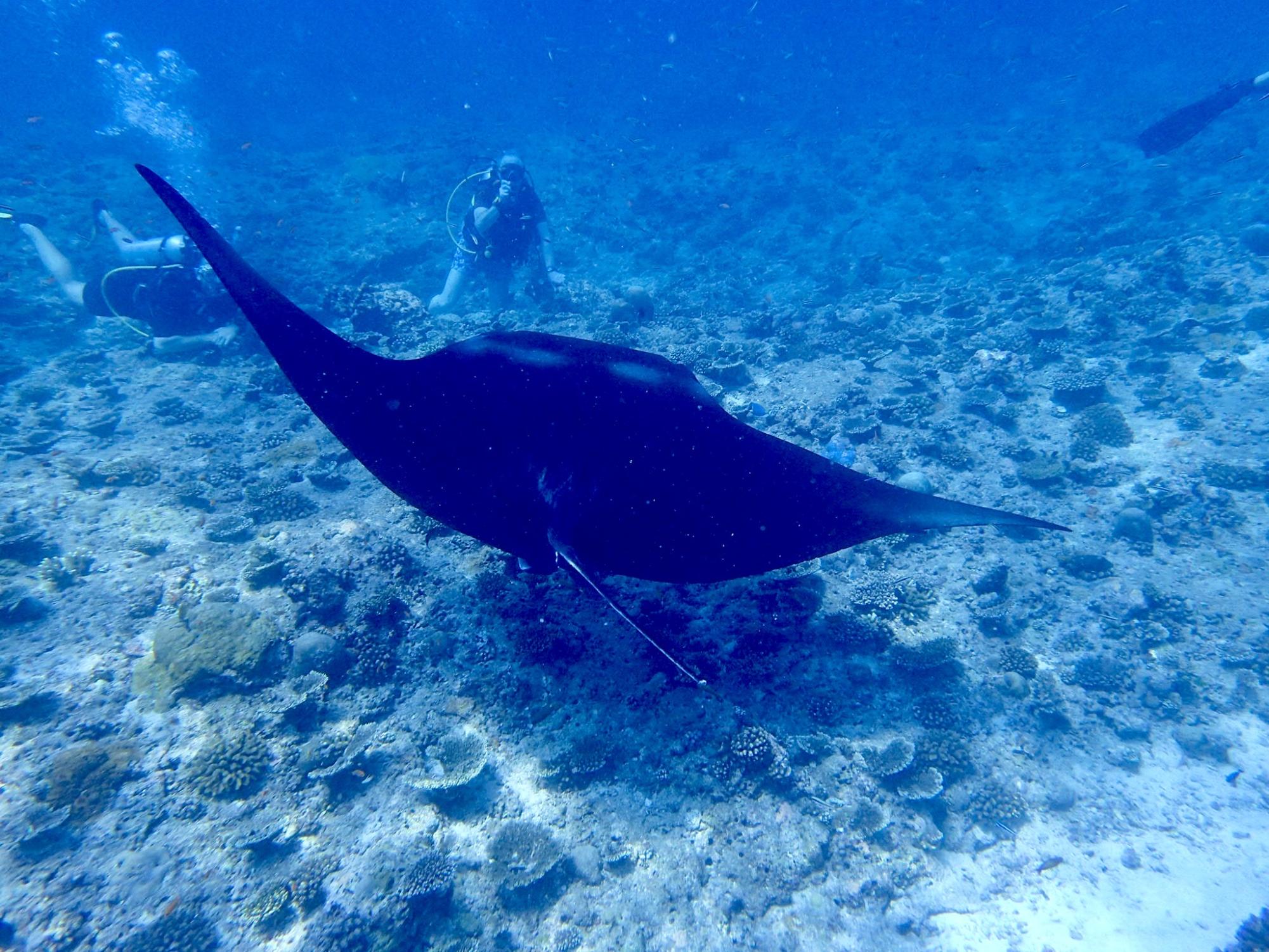
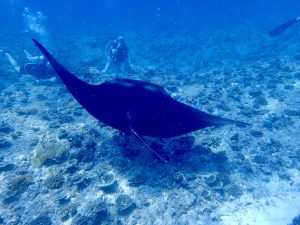
This photo shows a manta ray in the Maldives, about five or six meters long and bigger than a dinner table. The photo was a part of a video Ivan Lee (12) took using a GoPro. Photo courtesy of Ivan Lee.
-
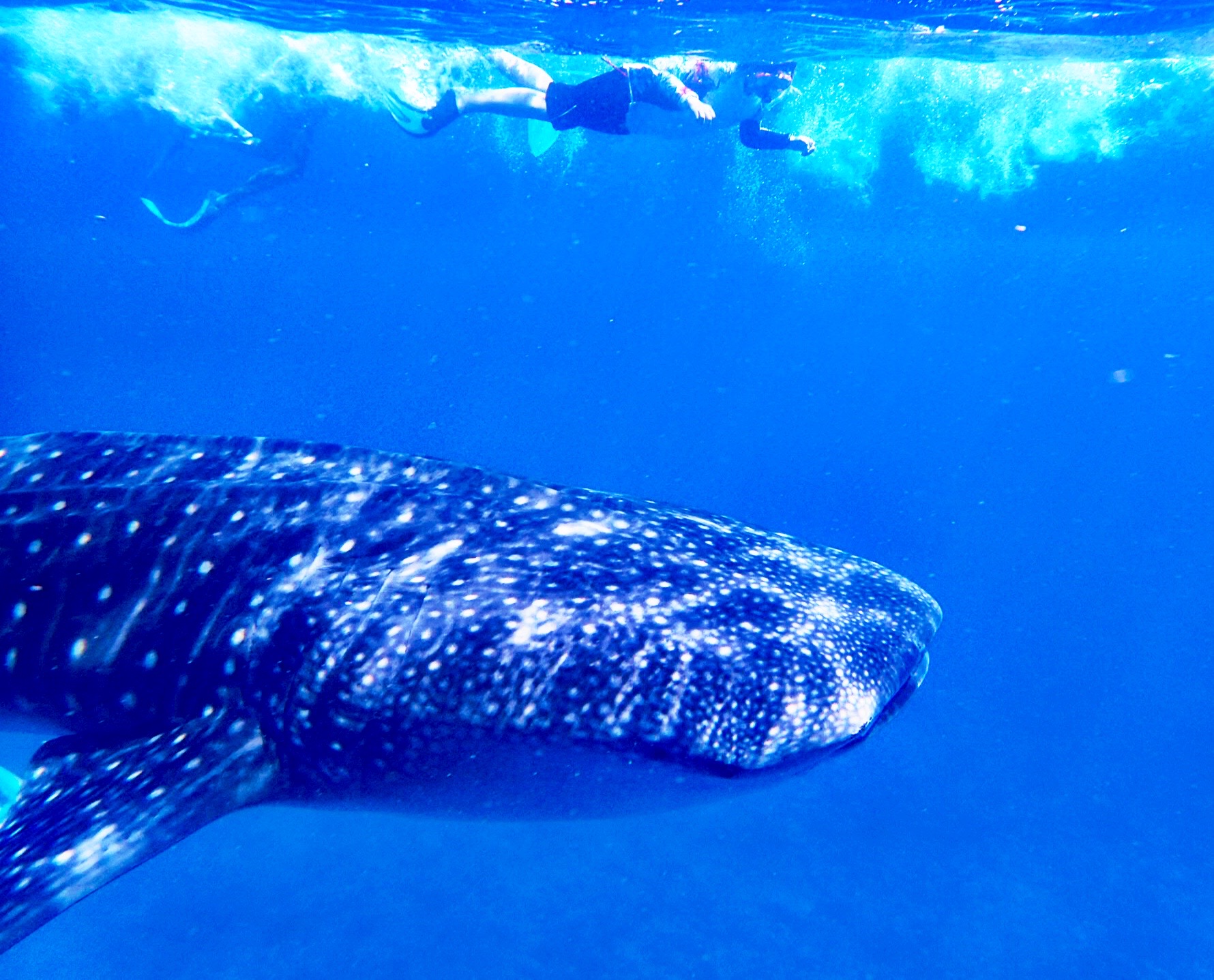
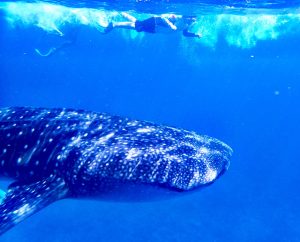
Another photo from one of Ivan Lee’s (12) diving videos shows a whale shark, chased by boats of tourists. “Photography forces me to slow down,” Lee said. “You can’t get a good shot when you’re impatient or annoyed.” Photo courtesy of Ivan Lee.
Lee’s favorite part of taking photos is “capturing the fleeting beauty in everyday moments.”
“Photography is a way of studying the structure of the world and capturing unity that often goes unnoticed,” Lee said. “Whether it’s the geometry of a building or the curve and line of a plant, I try to catch the small details people walk past without thinking twice.”
While Lee does not have a definite style of photography yet, his work “leans toward architectural and travel photography.”
“I’m not trying to deliver a specific message, but my photographs tend to carry a feeling of wonder and a strange sense of calm,” Lee said.
Also encountering photography at a young age, Vo began taking photos when he got his first phone in elementary school.
“Whenever I travel, I like to take cute photos, and then there’s so much beauty in the world, so I might as well take some purposefully,” Vo said. “My inspiration for my photos is just the beauty in the world. Even the simplest things can be amazing.”
Usually, Vo takes photos of landscapes or urban environments, like the city.
“In terms of subjects, I kind of stay similar,” Vo said. “But what I kind of go for is to evoke a feeling. Like, I don’t want my photo to just be beautiful by itself. I really want it to mean something to me and have a story behind it.”
From clubs to courses, these students bring their love for photography to campus. Last year, Lee took Fine Art Digital Photography with Kelly Casassa, and this year in Advanced Digital Art & Design with Jennifer Doerrer, he works on “improving [his] compositional and editing skills.”
“My photography skills improved a lot during junior year when I took Fine Art Digital Photography,” Lee said. “Before this class, I mostly photographed based on intuition and feelings, but it taught me how to operate a DSLR [Digital Single-Lens Reflex camera], apply compositional techniques and work effectively in Photoshop.”
Lee also founded the school’s Photography Club in order to practice and introduce others to photography. Furthermore, as president of the school’s Art Club, he aims to bring “more digital photography into a group that has mostly focused on drawing.”
In addition to photography classes, the school offers a videography pathway. Taylor is part of Falcon Vision, the school’s Video and TV Production class taught by Kara Adler, where he mainly focuses on making news stories and short films.
Taylor furthered his passion for photography when he joined the PEI club in 2024. During their weekly lunch meetings at school, Cho teaches members photography techniques.
The PEI club’s activities are not limited to nature walks. Over the weekend, they photographed the Miramar Air Show, where Cho reserved spots in the front for a better view. According to Cho, the weather was in a “really good condition because it was sunny and the camera was in optimal position for just taking pictures of planes.”
“It was my first experience trying to photograph like fast moving objects, and that was just a whole new experience, but it’s really fun seeing all the different types of planes and trying to get photos of them,” Taylor said.
At the air show, Cho took more than 6,000 photos and chose 90-100 to edit using the free application Darktable.
From animals to aircraft, Cho uses the same process to take photos. He prefers ultra wide photos that capture a broader landscape in a single frame over telephoto photography, which zooms in on a single subject or scene in detail.
“I take photos usually by looking into the viewfinder, looking at interesting subjects and not even taking the photo,” Cho said. “Especially in ultra wide, you want to have an interesting subject in the corner and a canyon or something that’s below you in the foreground. Then I adjust settings like shutter speed, aperture to make sure the photo comes out nicely. If it doesn’t come out nicely, I usually stay in the same spot, adjust a few seconds here and there to make it a perfect photo.”
As with all art forms, photography is versatile and shaped by each individual’s approach. While Cho has a detailed process for taking photos, Lee “rarely brainstorms for photos.”
“I just keep my eyes open and notice the little details around me,” Lee said. “Every once in a while, something appears that’s worth capturing. When I edit, I usually focus on saturation and curves, especially when converting images to black and white.”
Like Lee, brainstorming is not a large part of Vo’s process.
“Whenever I feel like I’m having a good time, I’m like, oh, let me take a photo, because I’m having a good time,” Vo said. “I just try to enjoy life, and that’s how I get good photos.”
Vo’s favorite type of camera is the disposable camera.
“There’s a lot of different types, and you can kind of experiment with them, [and it’s] just the fact that you have a limited amount of photos you can take,” Vo said. “So you really have to, like, choose what you want and just do it.”
To Taylor, the type of camera does not matter as much as the vision of the photographer behind it.
“I try to take photos of stuff that seems interesting, but it’s also about innovating and being creative,” Taylor said. “It’s the main thing about being a photographer. It’s not necessarily about having a good camera. So. I was trying to take some vertical shots of waves hitting against the rocks, and once you get the right shot, then you can edit it.”
Cho hopes to pursue biology in the future, but would like to keep photography as a hobby or even incorporate it into his future job or internship opportunities.
“Like most hobbies, there’s so much that you can learn [about] it, especially that there’s so many nice ways to take photos,” Cho said. “I’m trying to master ultra wide and then go into other aspects of photography, like night photography and sports photography. There’s so many different subjects that you can focus on, and I feel like it just keeps me motivated to go after all those other subjects.”
Similarly, Lee plans to continue photography in the future, and hopes to either become an architect or a user interface (UI) and user experience (UX) designer.
“I plan to keep photography as a part of my life, not only to capture what I see but also to share it with others,” Lee said. “Photography has changed the way I see the world by making me more attuned to details, helping me realize that there’s a story in everything and allowing me to notice the beauty in everyday life. These insights helped me fall in love with living and appreciating being alive, especially after spending two years feeling quite down.”
Lee also said that photography “forces [him] to slow down” because “you can’t get a good shot when you’re impatient or annoyed.”
From another perspective, Vo’s favorite part of photography is looking back at the photos he takes and thinking, “wow, I really like that photo … now I’m going to go do something even better so I can take an even better photo.”
“A photo tells 1000 words, and I just love literature,” Vo said. “That’s why I like photos, because there’s so many thoughts behind one photo. I don’t really like going out just to take a photo, I like having a moment and then realizing I should take a photo and capture this.”
Each snapshot mapped out by a photographer’s eye safeguards a moment in time.
“Photography has really taught me to just open my eyes,” Vo said. “I feel like, when we’re moving so fast in today’s society, a lot of things pass us. A lot of the ordinary, beautiful things pass us.”