

Moving into college can be a drastic change in environment, often leading new students to form unhealthy habits as they forget to take care of themselves.
Before the move:
Packing for college means preparing for sickness and minor injuries: the cold, headaches, a papercut, or scraping your knee. According to Geoffrey Hart-Cooper — MD and pediatrician with Stanford Medicine Children’s Health Peninsula Pediatric Medical Group — a standard first-aid kit for college students should include:
- Medications for pain relief (such as acetaminophen or ibuprofen)
- Antihistamines (such as Benadryl, cetirizine, fexofenadine or loratadine)
- Tweezers
- Bandages
- Antibiotic ointment
- An Ice pack
- Elastic bandages
- Thermometer
- Tissue box in dorm
Nutrition and hydration on campus:
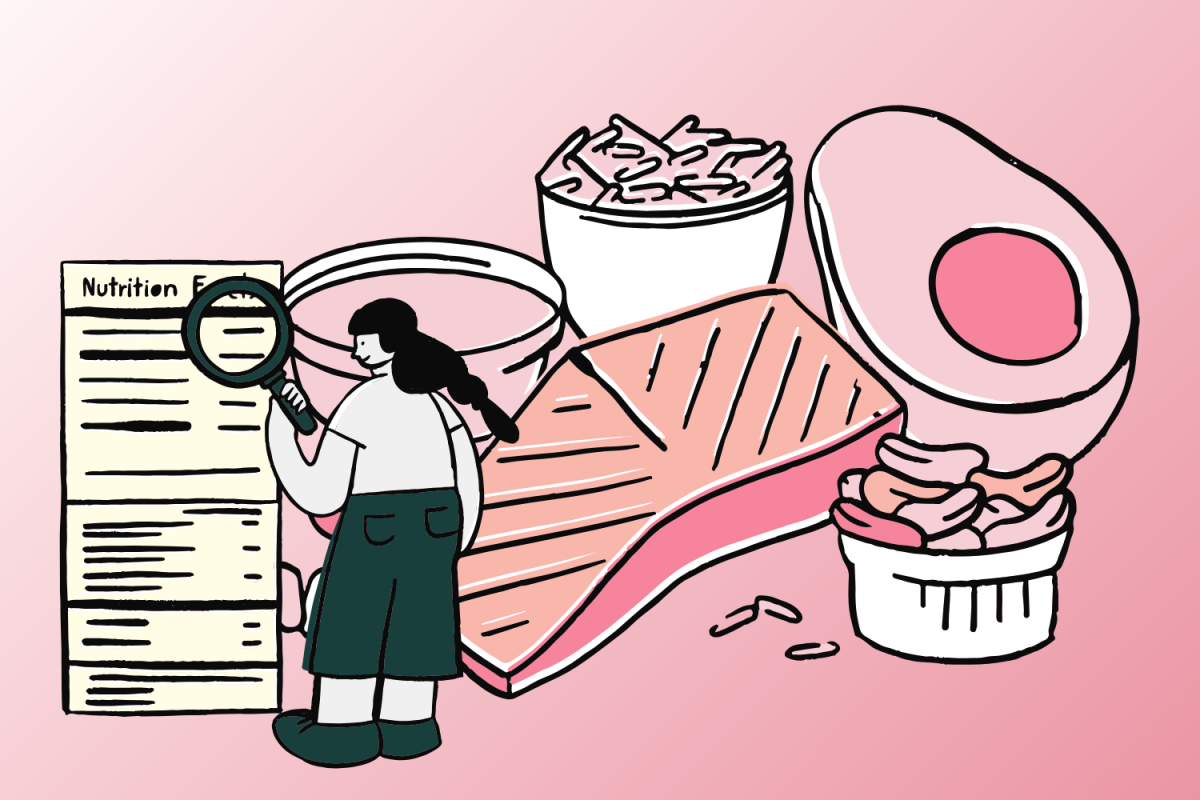
As a college student, meal plans often push non-nutritious foods, whether through the dining hall or dining-out-credits, that commonly lead to weight gain and lower energy. Instead, look for easy-to-digest foods like bananas, rice, applesauce, and toast at cafeterias or local grocery stores. According to Physician Zachary Bittinger, MD at Ohio State University, learning how to shop and cook is a necessary but huge adjustment, and college serves as a time to build habits like maximizing fresh produce intake. Additionally, staying “hydrated, drinking plenty of water, herbal tea and clear broths can help fight dehydration, especially with illnesses involving fever or diarrhea,” as encouraged by Pivotal Health.
Be communicative and know when to seek help:
Being sick can be stressful, especially while classes are still ongoing. In the instance a student is sick, they should make sure to let their professors know as soon as possible; reasonable notice, recovering well and skipping non-essential activities outweigh the risk of spreading sickness. While self-care is important, knowing when to consult professional medical attention is also essential.