
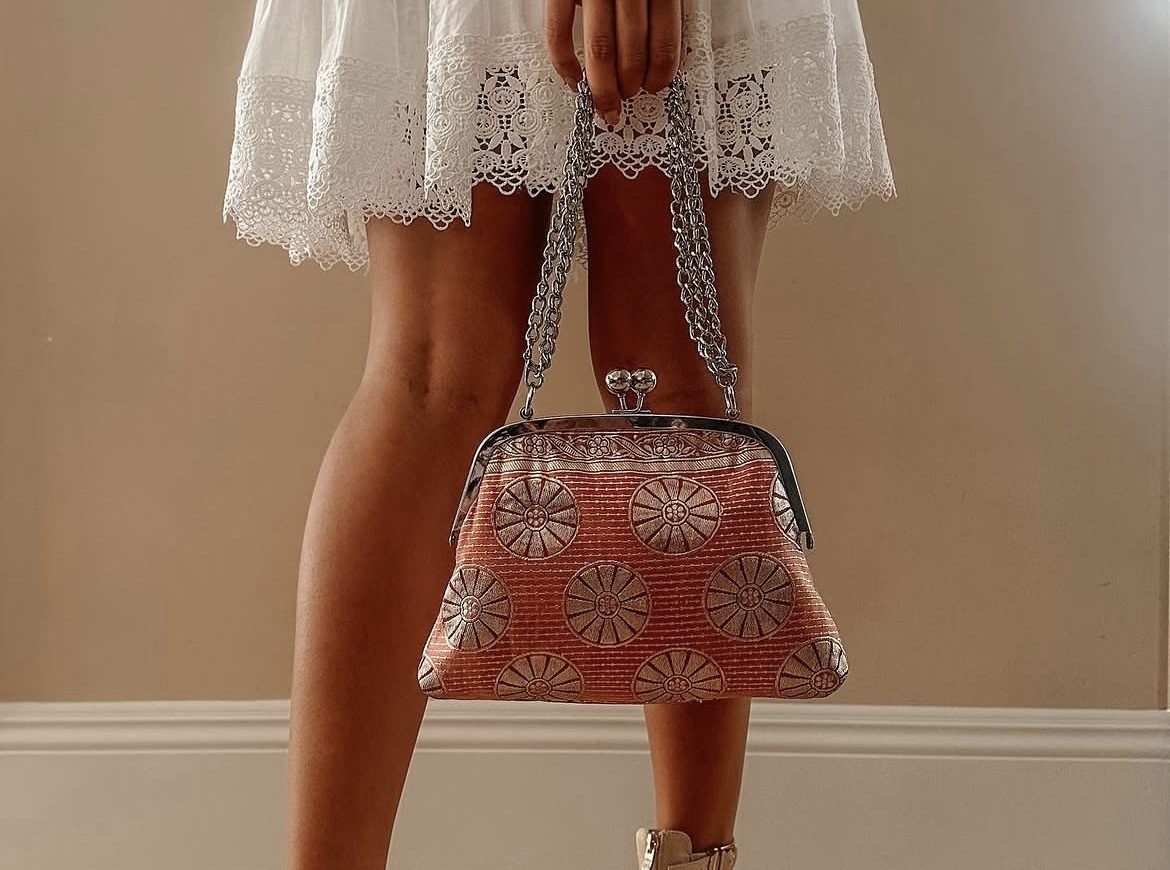
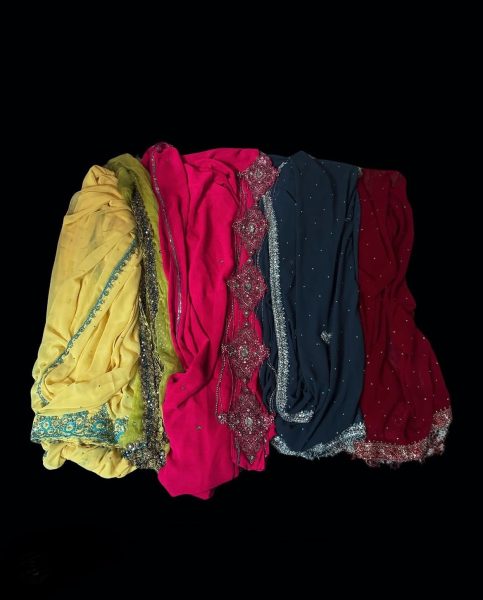
Indian saris are traditional, long garments usually worn for formal occasions and cultural festivities. As women acquire new saris for different events, their closet hangers gradually fill with this clothing, too meaningful and precious to discard. Ria Damani (12) saw the extra stowed-away fabric as a business opportunity, but beyond that, a way to bring culture and sustainability to fashion. She created BhumiLux, a company that upcycles sari material to create designer handbags, and learned to balance her high school journey as both a student and business owner.
What inspired you to start your business?
“Three years ago, I opened my grandmother’s closet and found saris she had never worn. She explained that Indian women traditionally buy a new sari for each major celebration and then store it away. At the same time, I was watching fast fashion churn out trends that people threw away within months. But beyond the waste, what bothered me about fast fashion was the lack of art and intention behind it. Clothing was being mass-produced with no uniqueness, no thought and no story. The contrast between that and a sari, which is handwoven, intricately designed and tied to a specific moment in someone’s life, made the waste feel even worse. That is what pushed me to start BhumiLux. Upcycling these saris into handbags was never just about reducing waste. It was about taking something that already had art and intention embedded in it and giving it a new life. Every bag is different because every sari is different. There is no factory cranking out identical pieces. Each one carries the history of the fabric it came from.”
How did you start the company?
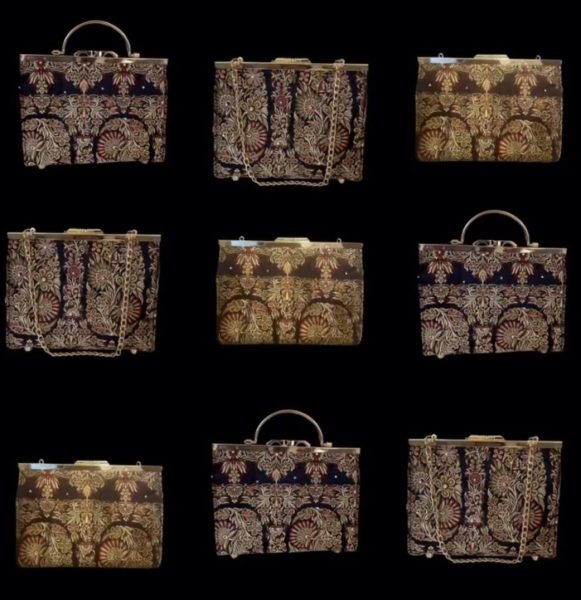
“I started researching and found no organizations in the US specifically sourcing or upcycling sari fabric, so I founded BhumiLux, a sustainable fashion brand that upcycles donated saris into handbags. My first idea was clothing, but each sari behaved differently, sizing was nearly impossible and prototypes kept falling apart. I spent hours after school at a sewing studio across town and eventually realized the fabric was better suited for accessories. The pallu, the decorated border of the sari, stayed intact even when everything else failed, so I redesigned everything around that, making it the front panel of each handbag.”
What were some hardships you faced while developing your product?
“What made the early months especially hard was that for a long time, I did not even have a product. I was spending time and energy on a business that existed mostly in my head, pitching the concept to anyone who would listen while waiting on manufacturers. School did not pause for any of that, so I had to stay organized and keep both moving at the same time. Balance looked different every week, and learning to recognize which one needed attention without waiting for the right moment is what kept everything from falling apart.”
How do you manage your time between the business, schoolwork, and other activities?
“I had to be really good about building my own systems to help me balance all aspects of my life. I set weekly outreach goals and kept notes after every event, recording what worked and what did not. I spent my weekends selling at swap meets, charity events, and farmers’ markets. Most days I sold nothing, but I paid attention to every conversation and used what I heard the next time.”
Can you further explain the process of making your bags, advertising them and supplying them?
“The supply starts with donations. Most Indian women I have talked to have dozens of saris sitting in closets with no real use for them. They were worn once for a wedding or holiday and stored away for decades. They do not want to donate them to a thrift store because the fabric is too special, but they have no plan for what to do with them either. BhumiLux gives them an actual option, and the word has spread through the community on its own. Each sari is about six to seven meters of fabric, so one donation produces around 10 bags. The pallu, the embroidered border, becomes the front panel of each bag, which is what makes every piece one of a kind. For manufacturing, the first factory I got serious with told me sari fabric was too difficult to work with and turned me away. After contacting over a hundred manufacturers, I finally connected with a factory in Vietnam that specialized in accessories, and we built a design that could be produced at scale. For months before that, I had no physical product, just a concept I was pitching to anyone who would listen.
Once I started actively selling, I realized people were not connecting to the bag itself but to the story behind it. Where the sari came from and the culture and art that it represents. That changed how I advertised entirely. I stopped talking about colors and hardware and started leading with the story, and people actually engaged. I sell through swap meets, farmers markets, home shopping parties and social media, and that approach helped grow the brand.”
How has this business affected your life?
“BhumiLux changed how I respond when things go wrong. Experiences like failing at clothing prototypes, getting rejected by over a hundred manufacturers and spending months with no product and just a concept to show people built something that motivation alone never could have. Setbacks stopped feeling like reasons to quit and started feeling like information. It also gave me a deeper connection to my culture. Asking questions about what saris meant, why women kept them and what occasions they marked led to conversations I never would have had otherwise, and through them I developed a real appreciation for Indian textile traditions that now shapes how I design.
Running this business also gave me perspective on what impact actually looks like. On the surface, upcycling fabric sounds like a simple idea. But when you attach a story to it, something changes. People who bought a bag started asking questions about sustainable fashion. Women who had never thought twice about their stored saris began donating them instead of throwing them away. A concept that started in my grandmother’s closet was shifting how people in my community thought about what they owned and what they threw away. That taught me that the idea itself does not have to be complicated. What gives it weight is the meaning behind it.
More than anything, it showed me that you do not need a perfect plan. You need to keep showing up and be willing to change direction without losing sight of why you started.”