

United Arab Emirates, Austria merge oil companies
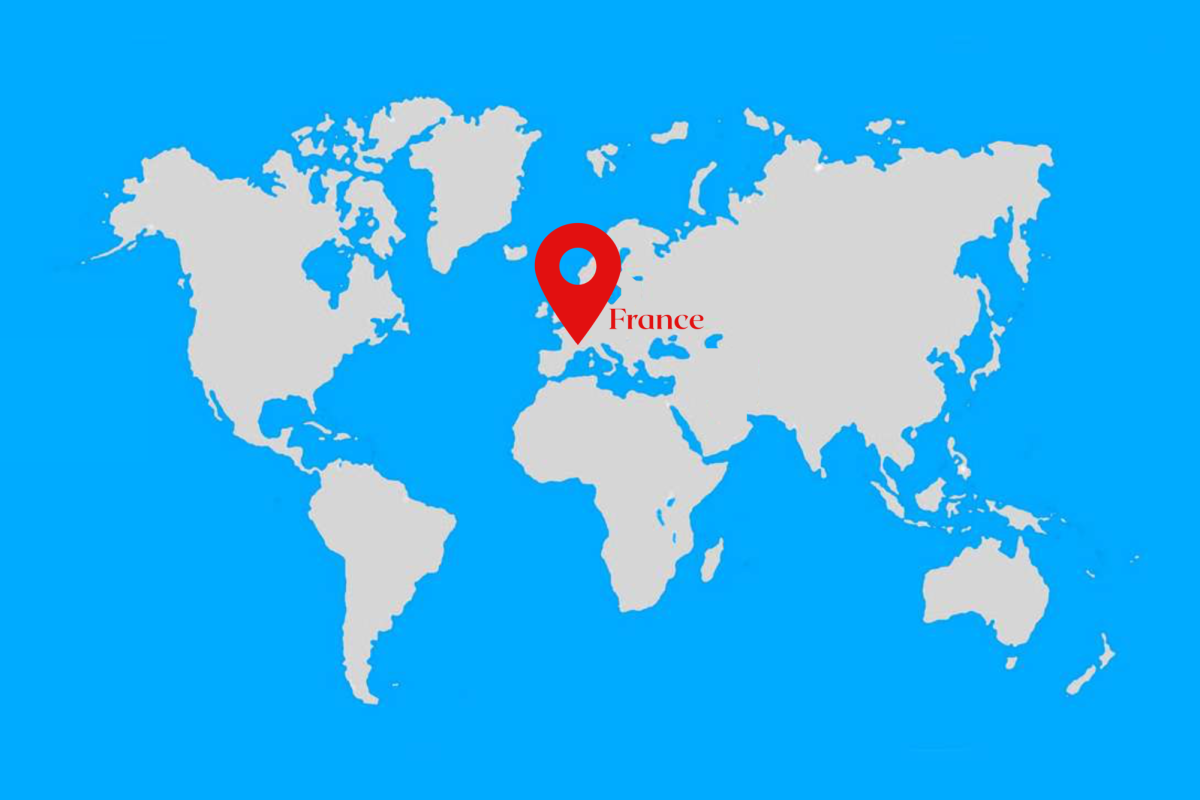
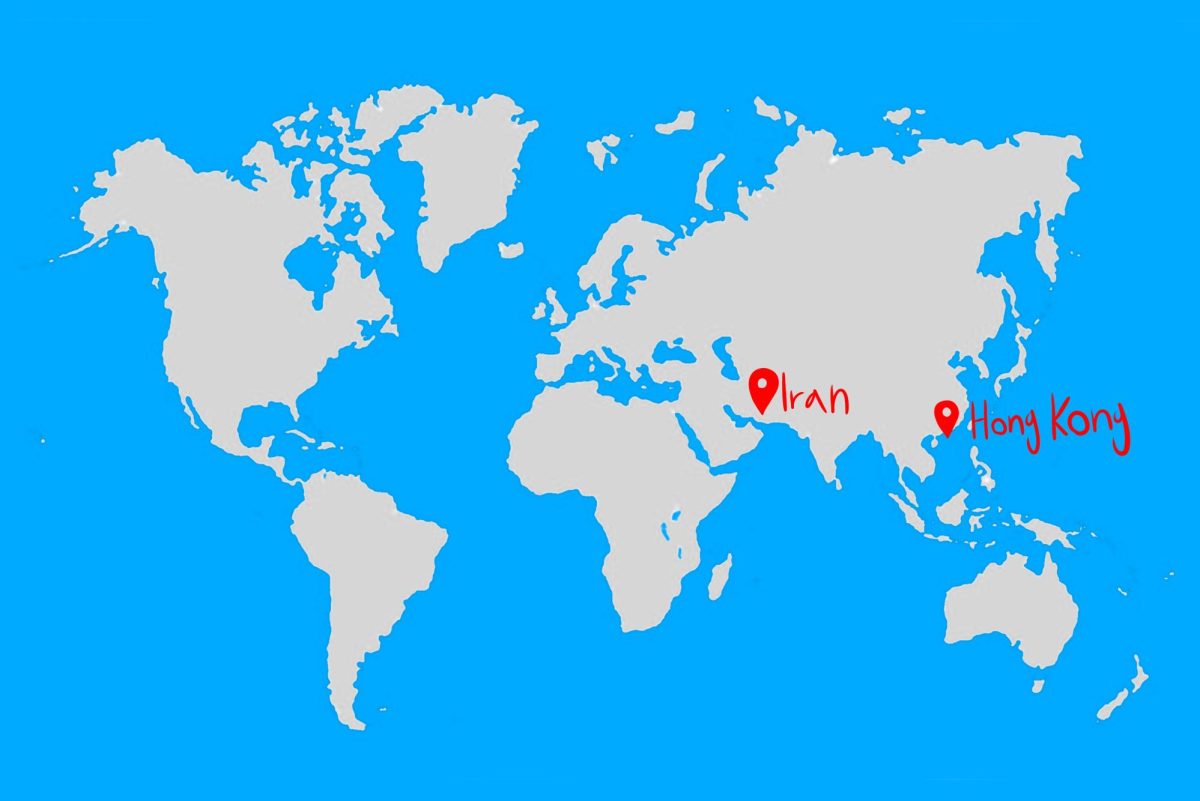
This month, the Abu Dhabi National Oil Company (ADNOC) and the Austrian Mineral and Oil Administration (OMV) are merging to become a major global energy giant with the headquarters based in Vienna. The merger creates a more than $60 billion global chemical and plastic enterprise.
The two companies will merge themselves under the Borouge Group International (BGI), a petrochemical company. This merger will create the fourth largest global energy company. This merger will allow for a diverse expansion while also becoming a top-four global plastic producer.
“Companies could potentially reduce their overall costs when they merge because they now share resources and spend less on administrative costs,” the school’s Marketing Principals teacher Teresa Barnes said.
Another purpose for this global expansion is for a larger customer reach and potential profit increase.
“Global expansion for brands is an increasingly important conversation,” Barnes said. “[It] allows brands to reach global audiences. Global expansion can lead to increased profits.”
However, this merger may result in new challenges due to different audiences and foreign policies.
“When two companies merge, marketers are potentially tasked with appealing to two different target audiences,” Barnes said. “This can broaden reach, but also require marketers to further their market research and create new marketing strategies. Companies [also face] challenges with global policy, regulations, tariffs, and more.”
As of now it is too early to determine whether or not this merge will end up paying off.
“Mergers and acquisitions can either positively or negatively affect a company’s public image,” Barnes said.
by Christopher Bacon
Flooding in Hawaii
Oahu, Maui, Hawaii Island, Molokai, and other less impacted areas of Hawaii faced the worst flooding in 20 years on March 10-16, when torrential downpour brought up to 46 inches of rain to parts of Maui, while also breaking a 1951 record for single-day rainfall in Honolulu.
Back-to-back Kona Low storms primarily drove the flooding. Kona Low storms are a seasonal low-pressure cyclone that typically impacts the Hawaiian Islands during the cooler months between October and April. The name “Kona” is the Hawaiian word for “leeward,” or the side of an Island sheltered from wind.
Flooding and rain came in three phases. The initial five-day rainy period was the most destructive. The rain saturated the ground across the Island chain. A second storm system arrived on March 19 and lasted four days, causing more flash floods because the ground was already saturated. The situation then reached peak emergency when severe flooding and the Wahiawa Dam on Oahu’s North Shore reached “imminent risk” of failing. The Honolulu Department of Emergency Management issued a mandatory evacuation for thousands of residents in Waialua and Haleiwa.
The storms impacted public facilities like schools, airports and hospitals. Roads were blocked by floods and landslides, isolating communities. Hundreds of homes were damaged or swept off their foundations. Many residents returned to their homes to find their belongings destroyed and rooms full of thick, red volcanic mud that leaves hard-to-remove stains. These storms brought widespread power outages, along with proactive electricity shutoffs during peak flooding.
These damages pose threats to agriculture and potable water. Assessments estimate over $9.4 million in agricultural damages, with Oahu farmers reporting $2.7 million in crop damages. Hawaii Gov. Josh Green said the costs might surpass $1 billion across private and public sectors worldwide. He requested a Presidential Major Disaster Declaration in attempts to secure federal funding for restoration efforts. The Federal Emergency Management Agency (FEMA) is conducting joint, on-the-ground damage assessments with state and local officials to accelerate aid. The Hawaii Department of Agriculture announced one-time, emergency relief grants to farmers and ranchers. The Clean Water Branch of the Hawaii Department of Health (DOH) issued a “brown water advisory,” warning that runoff may contain “pesticides, animal fecal matter, dead animals, pathogens, chemicals, and associated flood debris.”
So far, there are no reported deaths, and around 200 people were rescued, along with thousands of evacuations. According to FEMA estimates, over 2,000 homes were either partially or completely destroyed. Mostly in West Maui, local families faced the brunt of the destruction as hundreds of residents were displaced. Many houses on the north shore of Oahu, Maui and Molokai are still submerged in floodwaters. Citizens escaped by riding surfboards down streets, and others kayaked along farm roads. Firefighters and lifeguards came to rescue on Jet Skis.
Current restoration efforts focusing on Oahu’s north shore and Maui prioritize immediate debris removal, community aid and infrastructure repair. Volunteers are cleaning out mud and debris from residential areas, like Waialiua, while crews repair roadways.
Communities are taking action, via Instagram and word of mouth, informing the online community where to donate supplies and volunteer around the Island. The Hawaii Homeless Outreach and Medical Education (HOME) Project set up mobile health clinics along the north shore of Oahu, distributing medical supplies, tetanus shots and water. They are providing care from paramedics, emergency medical technicians, physicians and medical students.
Despite the initial cleanup, officials warn that full restoration of infrastructure and damaged roads could take months. The saturated soil continues to pose risks of further damage, and crews are preparing drainage systems for potential future rain.
These floods are driven by climate change. While Kona Lows are a standard winter phenomenon, they are rising in intensity. The March storms had a compounding effect; back-to-back systems hit already saturated ground, which makes follow-up rain more destructive. While Hawaii may be drier on average, climate scientists note that the occurring storms are becoming more extreme. This “tremendous concentration of rain in a small amount of time” is a representation of climate-driven weather changes.
While Kona Lows are specific to Hawaii, they are meteorologically linked to California through the shared circulation of the Pacific Ocean and the “moist conveyor belt” that fuels major storms. When a low-pressure system, such as the Kona Lows, breaks off over Hawaii, it can cause a high-pressure ridge that usually sits north of the island to move directly over them or push towards the West Coast. During the March floods in Hawaii, California experienced a record-breaking heatwave. This was caused by the same atmospheric conditions. While Hawaii was being battered by rain, a high-pressure system trapped heat over California, leading to temperatures 25-35 degrees above normal.
by Shayna Dolin