
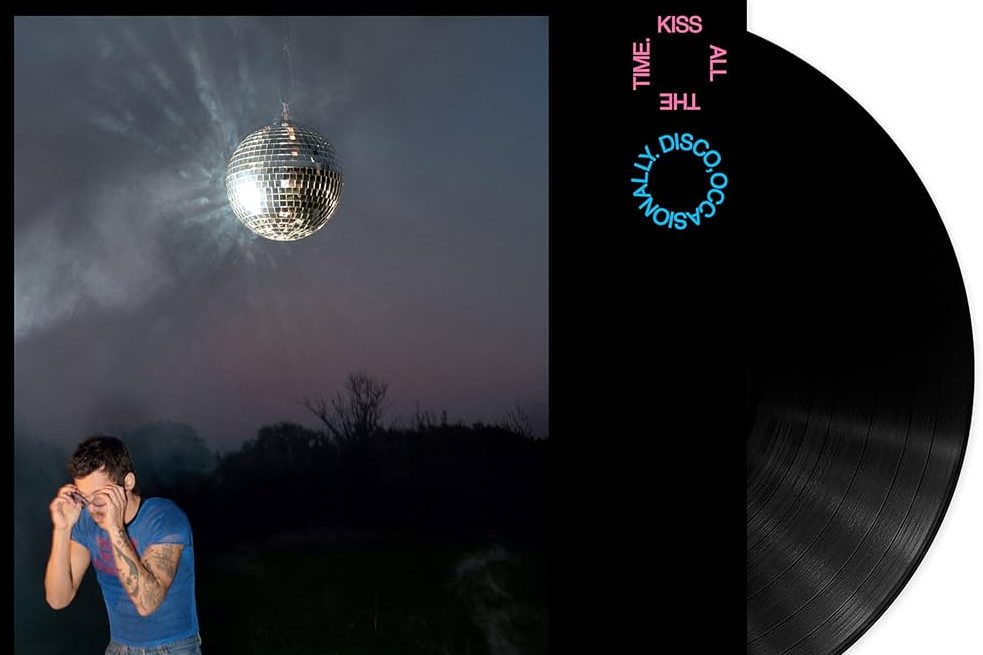
After four years of hibernation and scarce media appearances, Harry Styles resurfaced just in time for spring with the release of his fourth studio album, “Kiss All The Time. Disco, Occasionally” on Friday.
Layered with a mix of synth and pop beats, “Kiss All The Time. Disco, Occasionally” is a record that represents the cyclical nature of relationships and the ups and downs of emotional honesty. It reflects on finding freedom, embracing individuality and navigating relationships through themes of love, nostalgia and self-reflection.
This album encapsulates the feeling of letting go on the dance floor, taking major inspiration from artists like LCD Soundsystem and Radiohead. “KISSCO,” fans abbreviate, embraces Styles’ desire to move away from the pressure of his early career to be “on” for the public at all times. Following his last tour spanning 2021 through 2023, Styles embraced going out, dancing, and becoming an audience member, prompting him to focus on a more vibey, disco sound made for letting loose.
A soft synth beat repeats as the mellow baseline slowly comes into play, and the opening track, “Aperture,” signals the beginning of the record. “Aperture” was originally released as a single on Jan. 22, followed by a music video, and later performed on Feb. 28 at the BRIT Awards. The pace begins to quicken as a bashful Styles sings about embracing the unknown, “It’s best you know, what you don’t, aperture lets the light in.” Styles uses the camera’s aperture to symbolize that accepting you might not have all the answers can lead to more positive experiences outside your head, much like adjusting the aperture lets more light in. The instrumental turns more techno as the chorus repeats “we belong together, it finally appears it’s only love.” This song sets a tone of optimism and change for Styles’ personal life and as an artist. With a staggered fade in the opposite order from how the song began, “Aperture” slowly transitions into “American Girls,” beginning with a slow piano and shapeshifting into an upbeat, funk-forward pop-rock track. The song seems like a slightly experimental direction for Styles, but it is groovy and memorable, making it an easy listen and even easier to rewind and play again.
Kicking off with a steady strumming of an electric guitar, “Ready, Steady, Go!” immediately sets a high-energy tone, complemented by layered vocals and fast-paced percussion. The silky vocals leap into falsetto and Italian lyrics, “Pronti, quasi, vai,” which translates to “Ready, almost, go.” It represents an awake and shaky sound on the album, focusing on the intensity and anxiety of situationships with a danceable, rhythmic vibe. Opening with the lyric, “God knows your life is on the brink, and your therapists well fed,” a self-critical Styles explores vulnerability and questions whether he is truly listening to himself on the fourth track, “Are You Listening Yet.” Representing the inner “madman on tour” monologue through an electronic, almost messy production style, the song becomes a message to listeners and to Styles himself. The repetition of the lyric “Oh, are you listening yet?” over a marching-band-esque instrumental, as the cadence builds to the last second, establishes this song as an addictive jam.
Next, Geometry Dash-like synth beats start up, leading into the next melody, “Taste Back.” The track acts like a mid-album sugar rush. It has a simple yet upbeat and bright melody, sounding like a perfect medium between artists “Bleachers” and “Earth, Wind, and Fire.” Asking whether a partner has gotten their taste back, the lyrics highlight the tension between moving on and the pull of the past, focusing on the mixed emotions of returning to familiarity. “Taste Back” is another noteworthy track on the album that encapsulates familiar feels from Styles’ previous albums, remaining energetic and honest.
“The Waiting Game” indicates an emotional shift in the album. Sounding and sharing a similar melancholy to “Missed Calls” by Mac Miller, the song brings a mellow, sad energy to the album. Focusing on the longing and emotional frustration of distance and strained communication, engulfed in a mix of strings and synth elements, makes the song a stepping stone for reflection and honesty: “Playing the waiting game, and it all adds up to nothing.”
Starting with some drums and a catchy beat, “Season 2 Weight Loss” is a metaphor for emotional shedding rather than physical weight loss. This track acts as a mission statement for maturing and embracing a new, healthier perspective on life. The striking title promises more depth than the song delivers, but the beat is undeniably captivating. Closing out with a mix of percussion and layered vocals, “Season 2 Weight Loss” fades into arguably the most emotionally stirring track of the record, “Coming Up Roses.” Following less of the established dance music genre like the rest of the album, the song uses piano and strings that feel waltz-like combined with devastating lyrics like, “That I’m feeling guilty and worried, dear, that you think that I might not want you here,” to create a nostalgic love song about embracing the impermanence of relationships, acknowledging that love can be short lived and still special. Strong drums pull you back to the disco aspect of the album with the next track, “Pop.” The song is true to its title; it pops, not just musically, but also within the album. It sticks out as one of the most disco-esque tracks. Similar to “Cinema” from his third studio album, “Harry’s House,” the song plays on the word pop and gives it multiple implied meanings.
With an eccentric guitar riff and layered chorus, “Dance No More” brings a funkier, more unique spirit to the album. With lyrics like “DJ’s don’t dance no more, they said, we wanna dance with all our friends,” the song explores tensions between being a public figure and simply wanting to experience life without performing. The deadpan delivery of lyrics matches the moody album, but it makes the song feel somewhat lifeless. The tune is slightly redeemed by the vocal layering within the bridge that shifts away from the song’s early format. The energy shift is short-lived as another heavy song, “Paint By Numbers,” opens with an acoustic guitar strum. Styles uses the metaphor of a paint-by-number kit to describe a life and identity constrained by rigid experiences and expectations: “Holding the weight of the American children’s hearts you break,” encapsulating the pressure to fill the role others have created in his head. Ultimately, the watercolors will run, meaning someone will always be disappointed. The acoustic track serves as a raw and vulnerable moment in his discography, sharing a heavy, honest message similar to other previous works like “Matilda” and “From The Dining Room Table.”
A hushed guitar strum and rhythmic bass beat carry into the next and final song, “Carla’s Song,” keeping a mellow tone while conveying lyrics full of hope and optimism. The closing track is titled after his close friend, Carla, who he watched listen to the song “Bridge Over Troubled Water” by Simon & Garfunkel for the first time. This piece dives into the transformative nature of music, as Styles described her reaction as “Watching someone discover color.” “You’ve been a baby sleeping upon a candy bar, ‘til your eyes open on the changing summer light,” compares the experience of discovering something beautiful and influential, like music, for the first time. Rather than a romantic dedication, this song is a pillar of platonic love for his friend, music and the fans. “Carla’s Song” is the resolution of the album, yet it serves as the apex that mixes the romantic synth and guitar heard throughout the album into a final, perfect listen.
Although it feels like the title should be, “Mumbly, Repetitive Disco Beats. Banger, Occasionally,” that does not feature Styles vocal range, “KISSCO” is a memorable album, and each song is bound to get stuck in your head, whether you like it or not. With house music level beats laid between emotionally vulnerable lyrics, the music makes you want to get up and move as the world dissolves around you. Right from the beginning, with the title “Disco, Occasionally,” the record brings something new to the pop genre: openness. Styles did not lie; the tracks were disco, occasionally, and throughout the album, he reassures that this is not music for the fans, it is a space for him to bleed through the lines and be vulnerable, even if that means not living up to the expectations. Overall, the album creates a space for listeners to dance and get out of their heads, establishing the record as more than just a head-bop and into something explorative and refreshing.
Rating: 4.75/5