

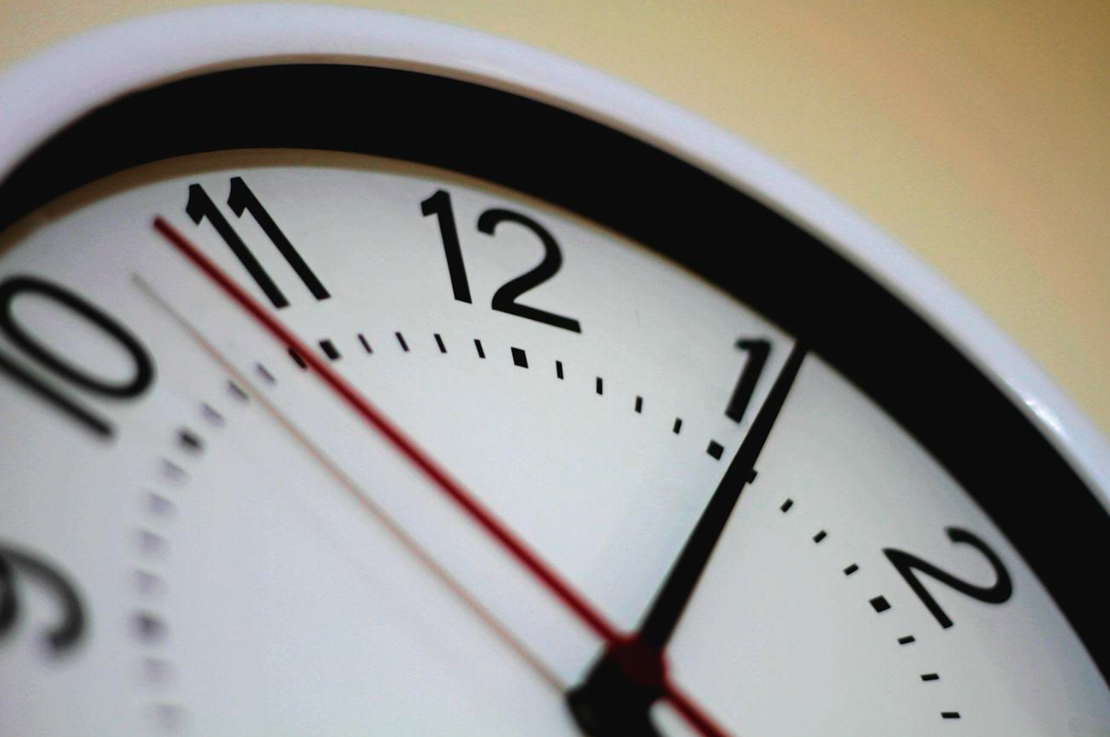
The clock will jump from 2 a.m. to 3 a.m. across all U.S. states except Arizona and Hawaii this Sunday, bringing an hour of extra daylight to evening hours.
Every year, daylight saving time (DST) in the United States jumps forward on the second Sunday of March and falls back on the first Sunday of November. These changes often sustain negative effects on individuals’ health.
DST is often associated with depression, slowed metabolism, weight gain and cluster headaches by disrupting sleep homeostasis, the will to sleep that builds up throughout the day, and circadian rhythm — the body’s natural 20-hour biological cycles.
According to a study conducted a week after the DST shift, risks associated with time change include: cardiovascular disease, with a higher risk of heart attacks; injuries, including a 6% increase in fatal car accidents; increased stroke rate; mental health and cognitive issues; and digestive and immune-related diseases, such as colitis.
Still, individuals may take preventative measures to avoid these risks.