

What courses should YOU choose next year? Well, this is the all-in-one guide to the classes offered on campus.
Taking English courses in freshman and sophomore year seems like something everyone does, but after a couple of weeks it starts feeling like you are a phony stranded on an island full of other phonies and everyone starts going barbaric. AP English Language is an essay bootcamp. Was that a satirical statement? No, absolutely not. AP English Literature, on the other hand, is Shakespeare, Pride and Prejudice, Shakespeare, 1984, Shakespeare and more Shakespeare? Thou hath assume tis advanced course to elevate thy wit. In between all of these rivals is their hidden child: ethnic studies.
More than the absurdity of sanitized curriculums and the monotony of memorization in 50 pages of notes, the history classes on campus give you great practice in the game of “Guess what Political Party Your History Teacher Aligns with Based on How They Lecture.” Some students decide to take extra history classes: Art History, full of people that do not actually want to take a hands-on art and actual history buffs; Psychology, people who cannot decide between Sciences and Humanities; and some other strange niches like Film and Society, History of Rock and Roll and Sociology are filled with goons and niche maxxers.
Advanced Journalism? The Falconer? Wow, I have never taken it myself, but I have heard it is the coolest, most enjoyable class ever where you get free admission to school events and you get to go on field trips to conventions every year. Now, you might be asking, how do I take this absolutely life-changing course? Taking the class pathway is super simple from being a fledgling in Beginning Journalism to applying to the Falconer. Applying Photography or Graphic design, then I guess you can apply directly.
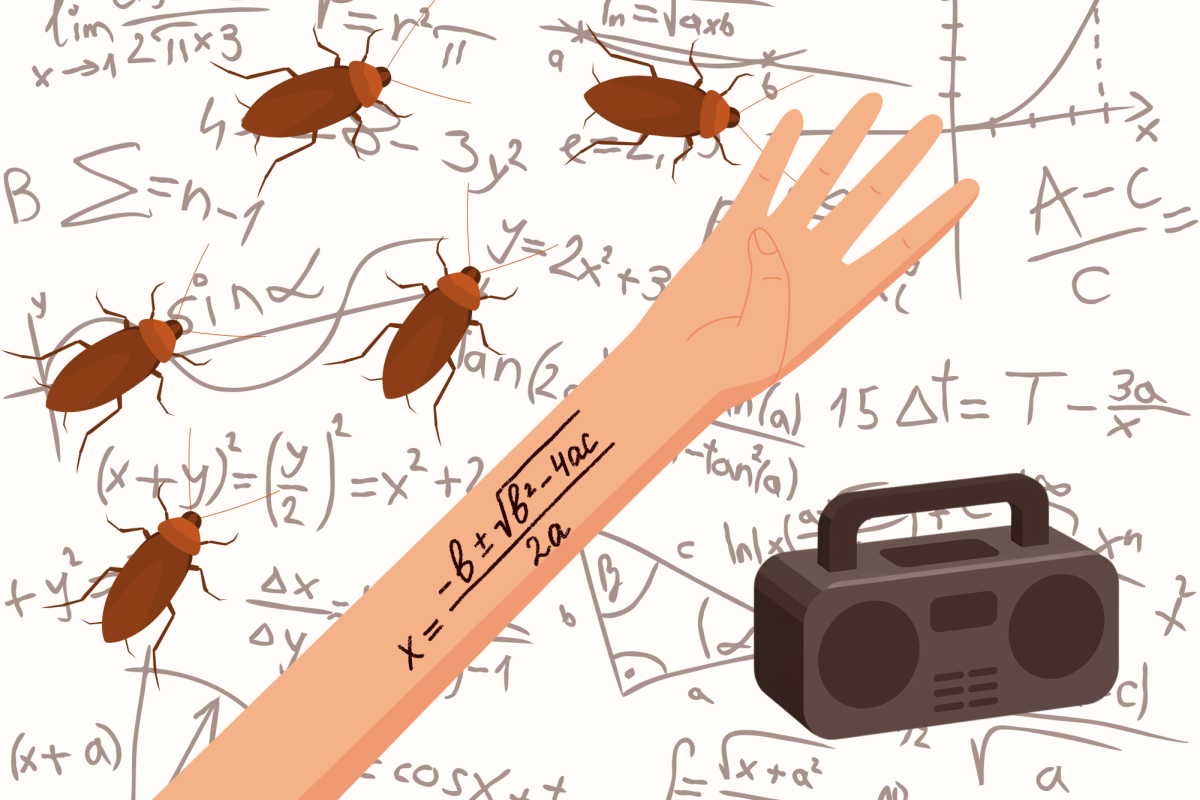
Beyond the thought of: “Wow I’m never going to use this ever again” that every math student experiences, some students love to torture themselves even more in the accelerated math course every day or maybe the big fancy term calculus! Statistics, seeming like the only applicable math course on the other hand, is actually “50% common sense, 50% memorization,” according to an unnamed, annoyed statistics student.
Business students strut around complaining about their super difficult “homework” consisting of a coloring sheet and taking a nap during class. Half of the class is watching Shark Tank and a million other useless shows. What do they teach you? Absolutely nothing other than how to fill out a worksheet.
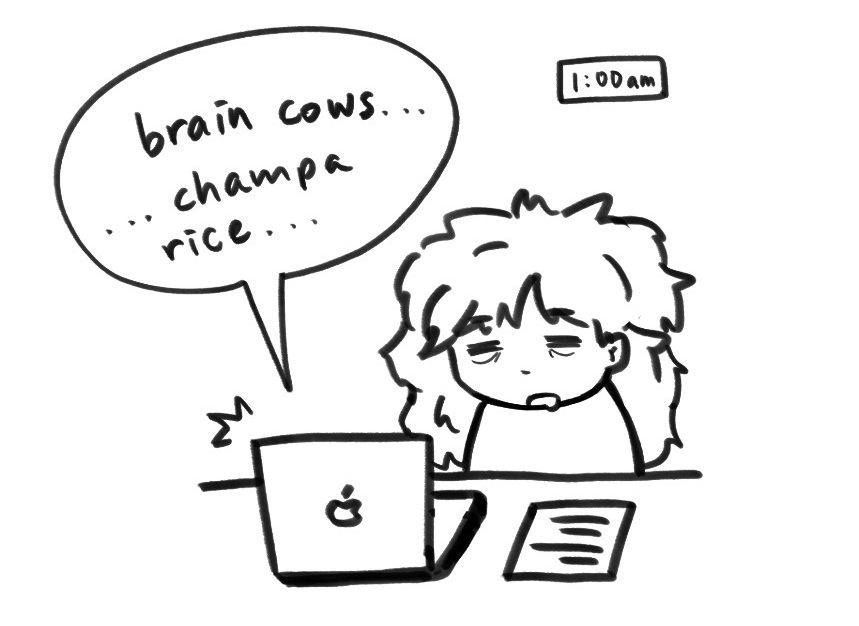
The sciences are each “special” in their own way. Physics reminds us to generalize every aspect of the world: air resistance does not exist, just about any object turns into a cube or sphere and we stop caring about the consequences of launching people off cliffs. In lectures you feel like you understand concepts— then you realize the test average is 60%. Chemistry is a class experience where normalcy is, well, un-normal. Expect to walk out of labs with 500% error and borrowing another group’s data. Somehow Biology is intertwined with Chemistry, but when you switch between the courses everything they taught you still seems like polar opposites: wait, does breaking bonds absorb energy? endothermic? Somehow, after two semesters, all we know is that the mitochondria is the powerhouse of the cell before Biology tests.
This completely-accurate, factual guide is an essential to knowing what you are getting into in the upcoming school year.