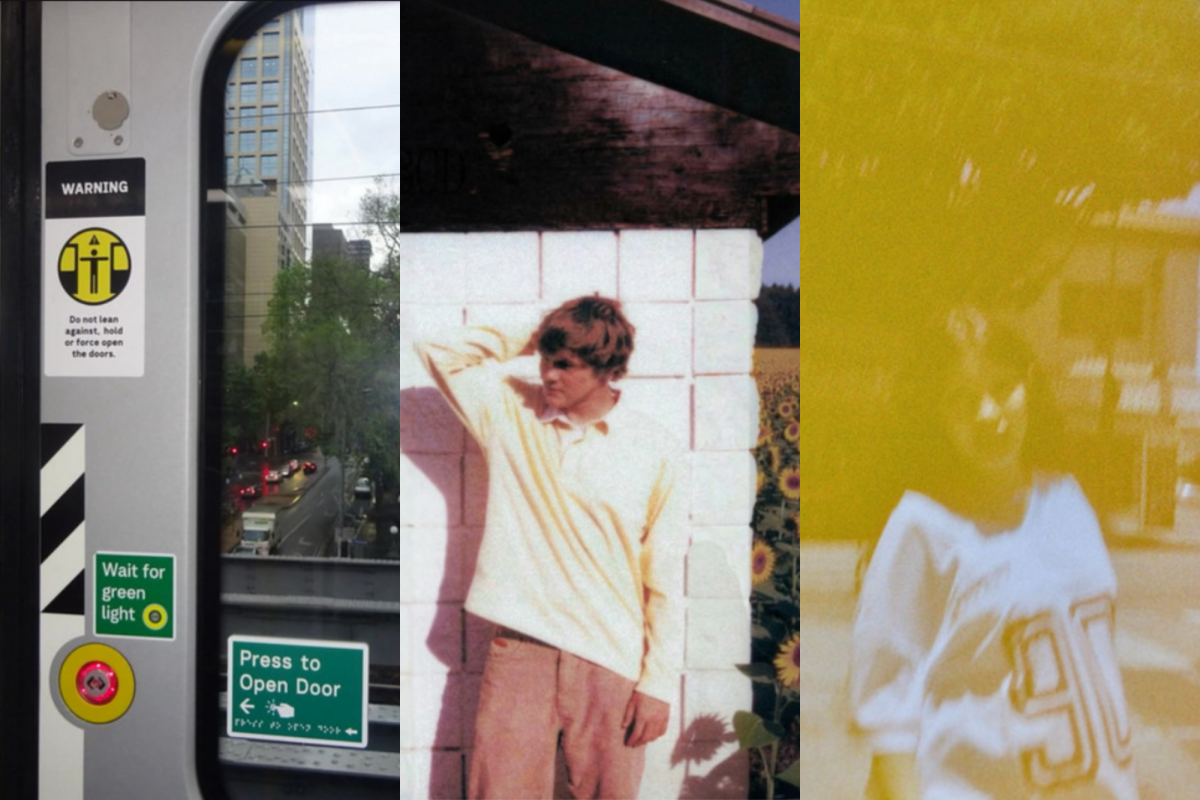

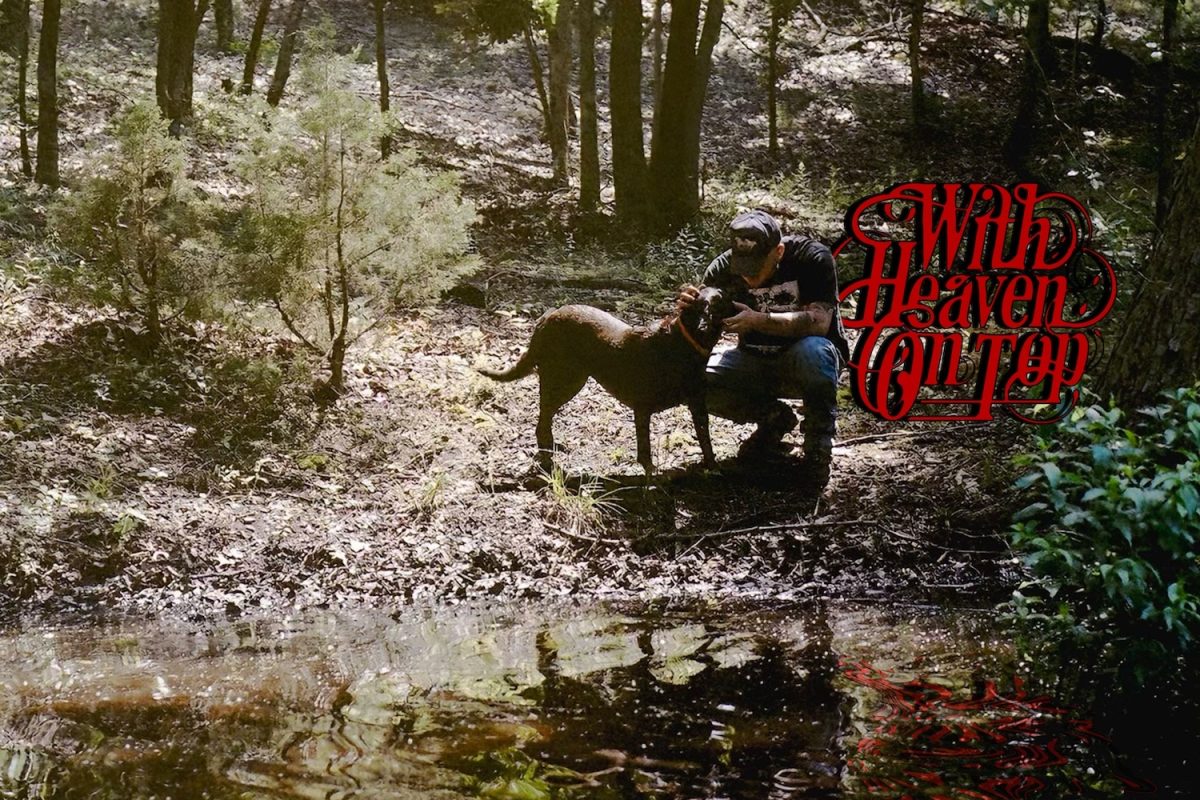
Zach Bryan’s sixth studio album “With Heaven On Top,” released on Jan. 9, spans 25 tracks with themes of self-reflection, heartbreak, struggles with sobriety and a changing American identity.
Following his tradition of opening albums with poetry, Bryan begins with a spoken anecdote titled “Down, Down, Stream,” in which he talks about letting go of his past and embracing a future of healing.
“Runny Eggs” is the first true song on the album, filled with weighted vocals and melodic instrumentals. The words “years, beers and fears” reference a line from the opening poem of his previous album, “The Great American Bar Scene.” “Runny Eggs” depicts restlessness and the dichotomy between seeking out new experiences and still craving stability. The softer vocals and more relaxed instruments make the song feel more emotionally developed, with the lyrics creating a heart-warming mosaic of little meaningful experiences. “Runny Eggs” was the perfectly gentle way to begin the 24 track journey, touching on relatable themes of finding oneself through exploration.
Coming in right after “Runny Eggs” is one of the more lively songs on the album, “Appetite.” Incorporating a variety of different horns and powerful drums, “Appetite” feels like stepping into a friendly bar scene. There is a shift away from solemn-sounding instruments, and a more catchy and generic feel. The song can feel a bit jarring coming right after the serenity of “Runny Eggs.” At times, it trades in crafty lyrics for a bigger instrumental punch, and the profanity scattered throughout the song seemed unnecessary. Still, Bryan touches on themes found in the rest of the album, creating continuity.
In a few songs, including the one following “Appetite,” Bryan crafts vivid and wistful storylines of people who left a mark in his life. One of these is “DeAnn’s Denim,” a song that beautifully captures the fear evoked by feeling trapped within generational trauma and pressure. He paints himself as a mirror of his mother, struggling with the legacy embedded in his “family genes,” including a tendency towards alcoholism. This track is carefully composed and bittersweet to its core, resonating with listeners who share similar struggles. “DeAnn’s Denim” is one of Bryan’s strongest vocal performances on the album, as his solemn, consistent tone reflects themes of nostalgia. The minimal yet hauntingly beautiful piano effectively transports audiences back to Bryan’s earlier works, and the track is a welcome palette cleanser following the rowdiness of “Appetite.”
“South and Pine,” although coming later in the album, follows the same themes of being unable to let someone go in the search for closure. The quiet guitar and fiddle creates an ambience of pure nostalgia, while Bryan’s vocals portray his unrelenting desire to return to individuals he has lost. When listeners close their eyes, they can see this mystery woman twirling under the streetlights, carefree and ethereal.
Scattered across the album, Bryan makes references to his struggles with alcohol. In “Say Why” he spends the last of his money on liquid courage, using alcohol as a crutch to continue in a failing relationship. While some references may seem obscure, they force the listener to pay attention to Bryan’s true intentions, showcasing his lyrical growth and depth.
While the album is riddled with sad moments, there are also songs that reflect Bryan’s desire for a fresh start, as well as his drive to persevere. “Santa Fe,” a track featuring rhythmic electric guitar and bass, effectively re-captures listeners’ attention. Bryan conveys an urgent need to escape the suffocation he faces at home, finding his true sanctuary “broken, drunk and dirty on a desert road.” The horns in Santa Fe meld to create a more jaunty mood, yet still allow Bryan’s vocals to shine through for yet another solid performance. “If They Come Looking” carries very similar themes, painting an idealistic picture of Bryan escaping the expectations of others and finding himself with self-reflection. The track accompanies the earlier “Santa Fe” well by providing a more idyllic view of the same lifestyle, but lacks some of the lyrical depth and creativity showcased earlier in the album.
Bryan’s message of acceptance to achieve personal development is interrupted by tracks that carry a more resentful tone towards those he previously loved. “Skin” is one of those, painting a picture of Bryan cutting off ties in an almost gruesome, permanent and confrontational manner. This sudden finality is emphasized by the lyrics, “I’m taking a blade to my own tattoos, I’m drawing the blood between me and you.” Moments during “Skin” where Bryan lets a laugh slip are what make the song interesting and sets it apart from other quiet tracks, but unfortunately takes away some of the emotional punch. However, songs such as this one allow raw emotion to slip into Bryan’s voice, creating a work of art that feels like an honest conversion rather than a performance.
Although this album certainly contains many successes, both on a thematic and vocal level, the length seems to create room for unnecessary tracks to wiggle their way in. “Cannonball” and “Slicked Back” do not carry nearly as much vulnerability and emotional pull as their fellow songs, making the album drag on. Still, the album feels like a true step towards vulnerability for Bryan. This even extends to his political views, with “Bad News” shocking listeners with its blunt political callouts. “ICE is going to come bust down your door” and “fading of the red, white and blue” reflect Bryan’s discontent with the current political realm and his disappointment in the gradual loss of American ideals.
This album feels like sitting down with Bryan for a long conversion on a porch of an old farmhouse. The storytelling, while falling flat at some points, has immense emotional impact during certain songs. This album serves as a written record of Bryan accepting what he cannot change about himself and his past experiences, while seeking paths to a better future. The vocals feel as untouched by production as Bryan can get, and carry his signature playfulness and soulful attitude. Tracks like “You Can Always Come Home” feel like a warm hug from a loved one after years of disconnect, while “Rivers and Creeks” paint his love as a trap within the chorus. Bryan singing “love is just a creek, leadin’ to the slaughter with the big, white teeth” shows his internal debate of letting go or staying. This album balances this person that Bryan hopes to be in the future with the baggage he carries now.
In comparison to his earlier albums, “With Heaven on Top” feels more instrumentally powerful and full. While the album is a long and sometimes an emotionally hard listen, each carefully crafted song’s lyrics exemplify Bryan’s honesty and humanitarian evolution.
Standout Tracks: “DeAnne’s Denim,” “Drowning,” “With Heaven on Top,” “Plastic Cigarettes,” “Bad News,” “South and Pine,” “If They Come Looking,” “Rivers and Creeks,” “Anyways,” “Skin”
Not so Stand out Tracks: “Cannonball,” “Camper,” “Slicked Back,” “Dry Deserts”
Rating: 4/5