


The question of the legality of the tariffs imposed by President Trump is currently before the U.S. Supreme Court, which is expected to issue a ruling in the coming weeks. The court case is a combination of lawsuits titled Learning Resources v. Trump, which challenged the President’s authority to impose tariffs. Economics and U.S. History teacher Denise Hutagalung breaks down this national news topic.
Could you explain what the Supreme Court case involving Trump’s tariffs is about?
“The case challenges whether President Trump has the authority to impose wide-ranging import tariffs on foreign goods by invoking the emergency powers of the International Emergency Economic Powers Act (IEEPA). These emergency powers were originally intended to allow presidents to sanction, freeze assets, or otherwise regulate foreign economic/commercial activity during a genuine emergency. But is this truly a time of emergency? And can President Trump impose sweeping tariffs? Many opponents say no, because tariffs are effectively taxes/import duties, which is a power historically reserved to Congress.”
What specific actions or events led to this case reaching the Supreme Court?
“Early on, President Trump issued a series of executive orders declaring national ’emergencies’ tied to things like trade deficits, immigration (fentanyl trafficking), and economic competition. He then imposed broad tariffs on imports from countries including China, Mexico, and Canada. He was sued by many States and businesses, including most recently by Costco, who argued that the President overstepped his authority. Lower courts ruled against the tariffs. Due to the high stakes, it was eventually elevated to the Supreme Court.”
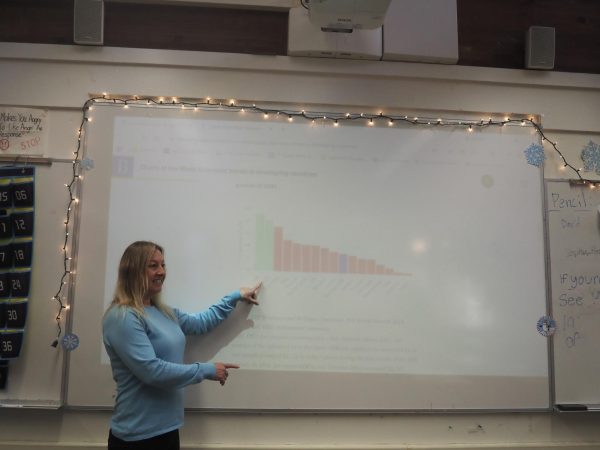
How do tariffs generally function within the U.S. economy?
“Tariffs are taxes or duties placed on imported goods. They make imports more expensive, often to make domestic producers more competitive and/or to protect certain industries. Ultimately, they tend to raise costs for businesses and often those increases are passed on to consumers, resulting in higher prices on imported goods. Some argue that those higher prices are essentially just a tax on the American people.”
How might the ruling influence U.S. relationships with major trading partners and international relations?
“If tariffs are upheld, other countries may view the U.S. as willing to unilaterally impose economic pressure, which could strain diplomatic relationships, trigger retaliatory tariffs, or start trade wars. Potentially, this could destabilize global trade networks, supply chains, and international markets. If tariffs are struck down, foreign partners might interpret this decision as the U.S. returning to more predictable trade rules, which could increase trust, stability, and more conventional trade negotiations.”
What potential effects could this decision have on American consumers around the country?
“If the tariffs remain, prices would likely stay higher, making everyday consumer goods more expensive.”
What should students or everyday civilians understand about how trade policy decisions can impact their daily lives?
“It’s a complex trade-off trying to balance protection of certain industries, with rising prices for consumers. But, students and everyday civilians should understand that imposing tariffs for whatever reason affects what you pay at the store, how much you spend on clothes, electronics, groceries, and everyday goods.”