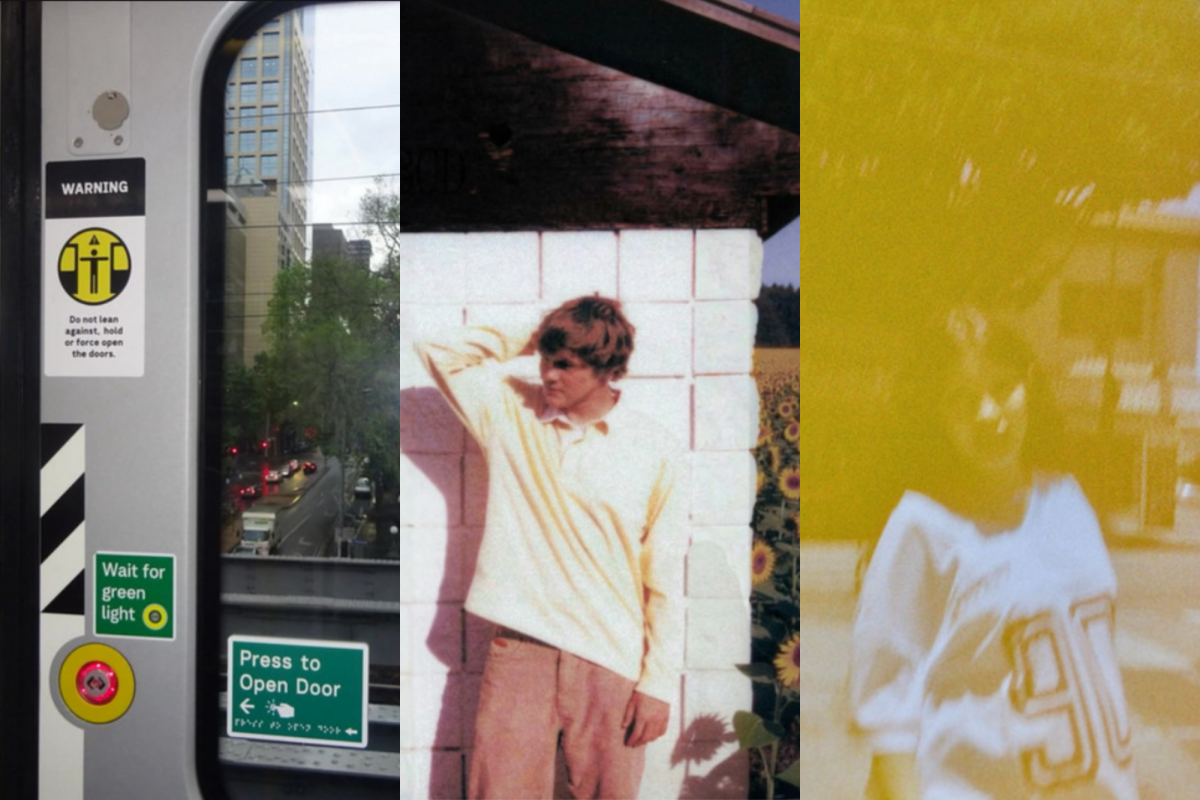


After her 2022 memoir, “I’m Glad My Mom Died,” former child actress Jennette McCurdy, released her sophomore title and first fiction novel, “Half His Age,” on Jan. 23. Her 2022 memoir relates her childhood trauma from a highly abusive mother and lasted over 80 weeks on The New York Times bestseller list. The memoir explored the highly abusive childhood McCurdy suffered as a child, suffering verbal, physical, sexual and financial abuse from her mother and peers. The raw honesty and literary freedom enhanced the novel’s success, with chart success, critical acclaim, and reader popularity.
Although “Half His Age” is a new genre for McCurdy, the novel shares the familiar focus on female rage and a painful, nonlinear path towards self discovery from her memoir. Following 17-year-old girl Waldo and her tumultuous relationship with her teacher, the novel delves into the psychological aspects of an age gap relationship, examining power imbalance, modern addiction, childhood trauma and the desire for validation.
The book begins in Anchorage, Alaska, and follows Waldo, a “parentified” daughter raised in poverty by an erratic, neglectful mother. However, her apathy toward life changes as her 40-year-old creative writing teacher, Mr. Korgy, begins to fascinate her. Each bit of recognition she receives from him makes Waldo feel special and mature, driving her obsession and eventual relationship with him.
This book is uncomfortable and campy. McCurdy’s storytelling and portrayal of the female mind is almost too good; the plot is like a car crash you just cannot look away from. Notes that went into this review featured lines like, “Do not text him!” and “What is wrong with her?” Waldo’s complexity and depth makes her a fascinating character as you watch her make the wrong decisions over and over again, falling deeper into a hole that becomes harder to get out of.
McCurdy masterfully camouflages Waldo’s obsession as a mix between lusting for someone romantically, but also lusting to feel desired. One way she does this is through Waldo’s shopping addiction. On days when Krogy does not give her the needed dosage of his attention, she spends her minimum-wage Victoria’s Secret paychecks on fast-fashion-filled online shopping carts, or five shades of blush an influencer posted about that will make her “perfect” and wanted. Waldo does not care about the clothes or the beauty products; she is addicted to the rush of buying and waiting for a package that is meant to change her life. That “high” is short lived, leaving Waldo just as unsatisfied and empty as before.
McCurdy’s writing notably shows how the abusive patterns felt “normal” to Waldo at the time due to her lack of experience and the normalization of such behavior in her environment. Krogy is a well-written, realistic example of an abuser because it focuses on the subtle power dynamics, grooming and manipulation rather than overt violence.
The parallels McCurdy draws between Waldo, Waldo’s mother and McCurdy’s personal experience help enhance the book by highlighting the cyclical nature of trauma. Waldo is not just reacting to her mother; she is becoming her. By mirroring the mother’s manipulative, erratic and demanding behavior in Waldo’s own romantic relationship with an older authority figure, the novel illustrates how trauma forces a child to mature too quickly. Waldo’s search for affection is an effect of her mother’s failure to provide proper care. By showing that Waldo is repeating her mother’s mistakes — or falling for the same emotional manipulation — the book goes beyond a simple, shallow “difficult upbringing” story, instead exploring the complex and often subconscious ways that parents influence their children. These uncanny similarities ground the narrative realistically and psychologically, showing how trauma shapes, rather than just damages, a young person’s life.
Unfortunately, the depth and engaging realness of Waldo do not make up for the lackluster ending. It was refreshing to see Waldo make a good decision for once, but it felt rushed and anticlimactic. Although a raw and realistic representation of trauma and toxic cycles, some readers felt it lacked the cathartic “payoff” or major resolution, leaving readers and Waldo in a state of uncomfortable ambiguity. The final chapters continued to circle the same familiar themes of Waldo’s dysfunctional and abusive relationship; she never transcends the destructive patterns she is trapped in, ultimately leaving the book feeling unresolved.
Nevertheless, McCurdy balances a highly sensitive topic with humour, and a semi-autobiographical flair: some experiences seem to be tied to her memoir, inspired by her relationship with someone she called “The Creator.” With a brief, short-read and melodramatic story, McCurdy delivers yet another critically acclaimed and controversial tale where emotions are expressed freely.
What makes “Half His Age” such a memorable debut is its unapologetic refusal to make the audience comfortable. McCurdy delivers a blunt, direct and shockingly raw narrative, refusing to look away from the vile aspects of Waldo’s experiences. This refreshing and stark honesty might make Waldo’s character difficult to love, but it perfectly captures the trauma-shaped reality of a young girl. By the last page, it is clear: this is a story that does not aim to soothe, but to show how a character can grow to take control of their personal narrative.
Rating: 3/5