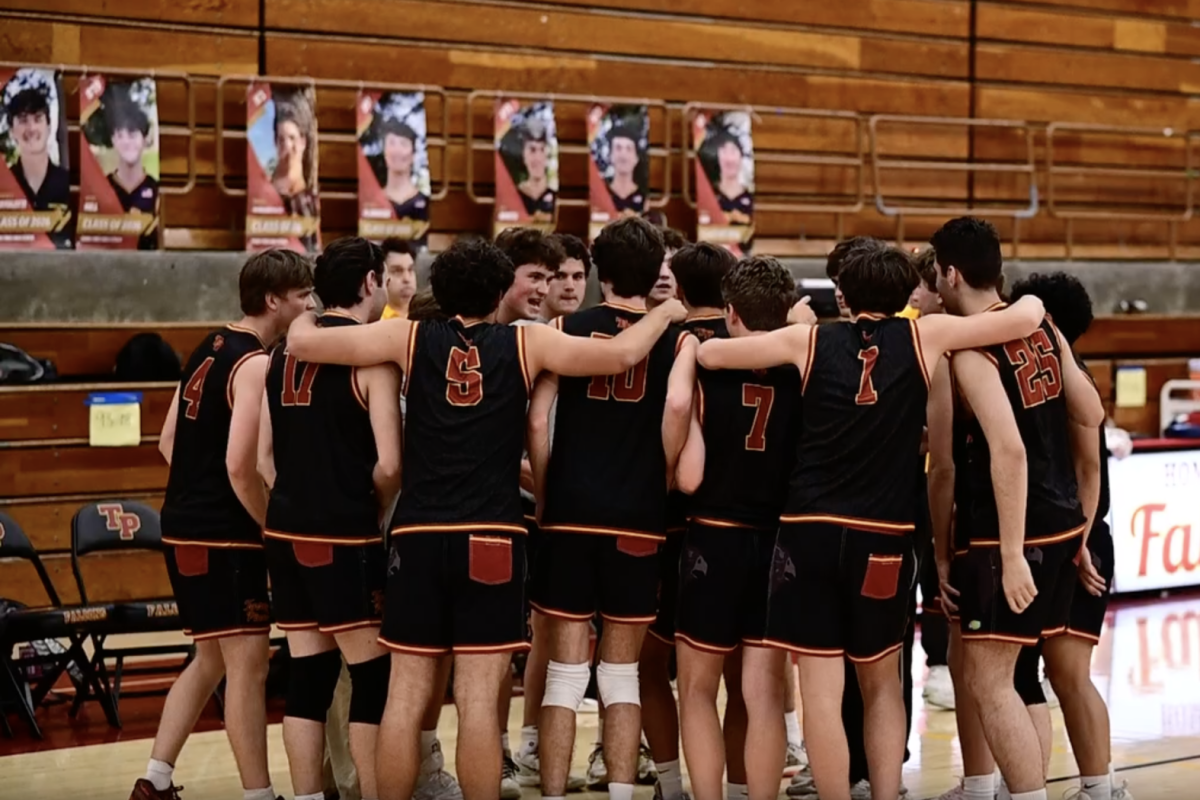

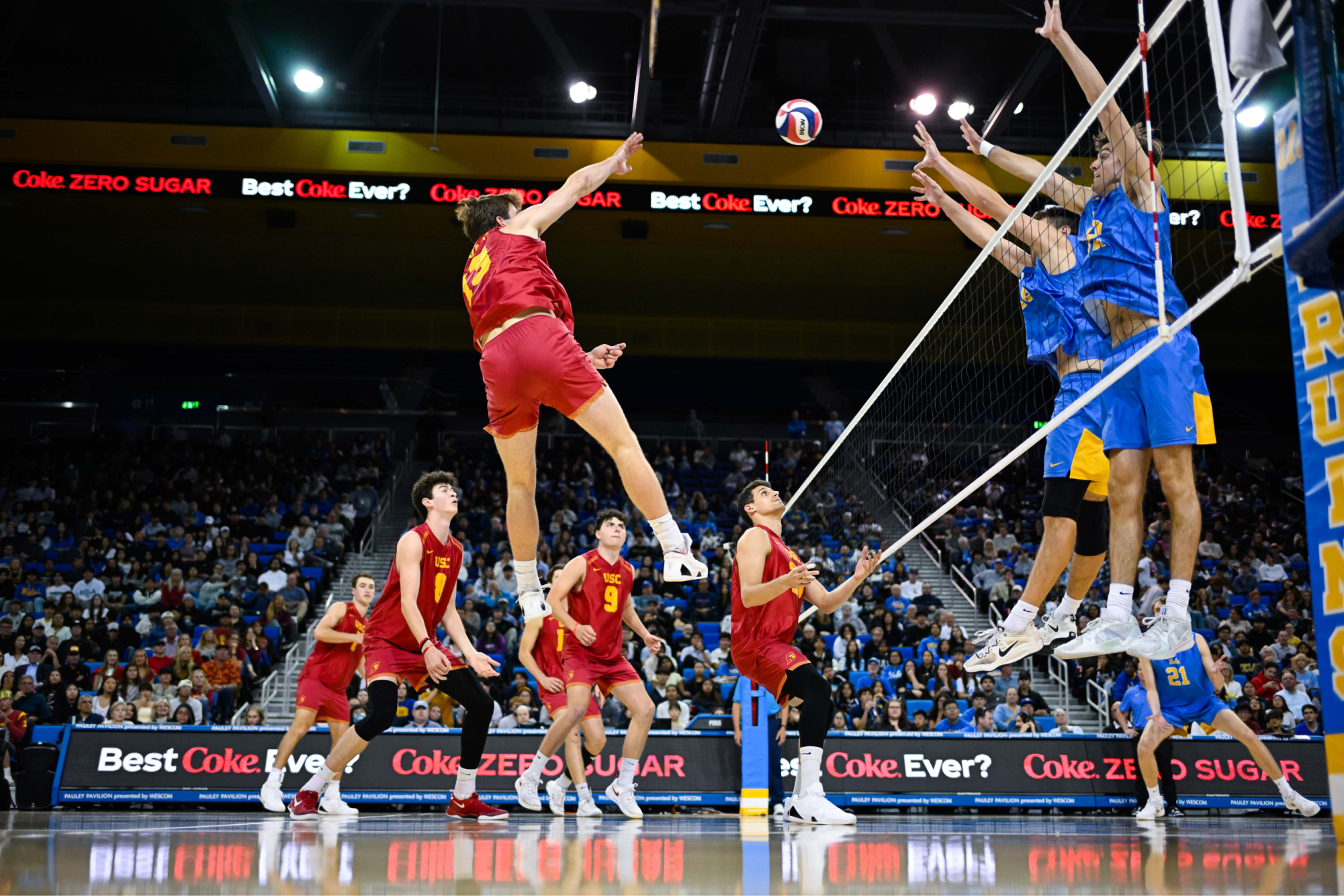
Christian Connell (‘24) is a college sophomore playing Division I volleyball as an outside hitter at the University of Southern California (USC) after playing as a four-year starter on boys’ varsity volleyball at this school. In his high school career, Connell was named Player of the Year in the North County Coastal (NCC) League three times and the California Interscholastic Federation (CIF) Player of the Year his senior year.
Looking back on his formative high school years, Connell credits his ability to manage his academics and athletic performance to his involvement in school sports and this school’s academic environment.
“It’s become easier [to find balance at USC] because I also played three sports in high school, [including volleyball, basketball and football,] so I was pretty busy with sports all year,” Connell said. “So, I had to manage my time … Torrey definitely helped out by being ready for school and my athletics.”
Transitioning from high school to college brings a new intensity for student-athletes.
“It’s tough because in high school, I mean, you only practice during your season,” Connell said. “In college, it’s like a full-year thing. You’re practicing every day for the whole year. You’re lifting every day. So, it’s definitely a big jump.”
The changing performance expectations are especially prevalent in athletes transitioning to Division I.
“[As a college athlete,] you’re representing your whole school, but you’re also getting paid to play with scholarships or Name, Image and Likeness (NIL),” Connell said. “There’s that expectation that you need to do well because they’re paying you to come here and play, and there’s so many more people that watch you play in college. So, that’s another aspect that adds a lot more pressure as well.”
Furthermore, playing at the collegiate level means playing with more skilled athletes, as “everyone was also as good as you were in high school.” For most student athletes, including Connell, transitioning from high school to college is difficult, “but you just have to be ready for it.”
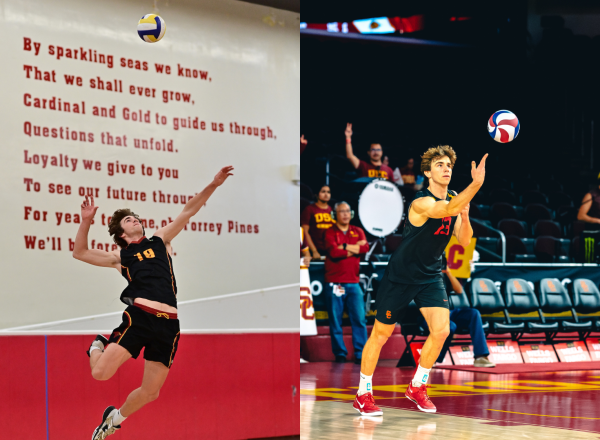
Colleges are allowed to reach out to high school volleyball recruits on June 15 in the summer going into junior year, and for Connell, “USC was actually the first school that called [him],” although “a bunch of schools reached out that day.”
“Be prepared for lots of phone calls if you’re a top recruit, and [learn] how to talk to people,” Connell said. “They’re all super nice guys, but it can be nervous trying to talk to a bunch of coaches that you’ve never met.”
In the recruitment process, Connell advises athletes to “be relaxed, be confident in yourself and trust your abilities.” In order to maintain these abilities, student athletes like Connell emphasize both health and physical fitness.
“[Recovering] your body’s very important,” Connell said. “A lot of guys get hurt because they’re not ready for that much volleyball to be played or that many sports so you have to do [rehabilitation] with your physical therapists and all that stuff just to be in shape to play all year.”
Connell recalls his favorite memories so far in his college career, mentioning “beating Hawaii at their stadium,” especially since they had around “10,000 fans, which was pretty awesome.” But for the most part, his most endearing memories are “just hanging out with my teammates, getting food [and] playing board games together.”
Giving a final word of advice, Connell guides student athletes to “just work hard, [and] hit the gym as much as possible because being physical definitely matters a lot at the next level, so stay ahead of your health and enjoy the process.”